
Plant
Basswood
Tilia americanaAlso known as American Linden, American Basswood, Whitewood, Bee Tree
Basswood is a fast-growing deciduous canopy tree celebrated for its exceptionally soft, easily carved wood and fragrant summer blossoms that perfume entire deciduous woodlands. Mature trees frequently form dense circles of basal sprouts around the main trunk, allowing clones to persist across centuries even after the central stem decays. The heart-shaped leaves decompose rapidly in autumn, enriching forest topsoil with abundant calcium and magnesium that benefit neighboring flora.
DeciduousTreeFlowering
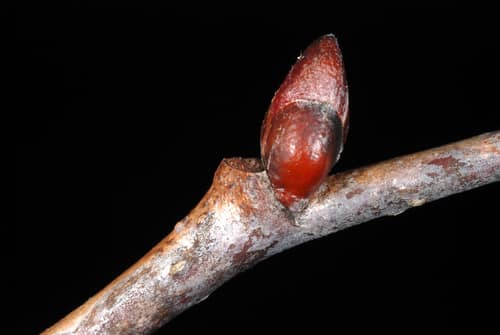
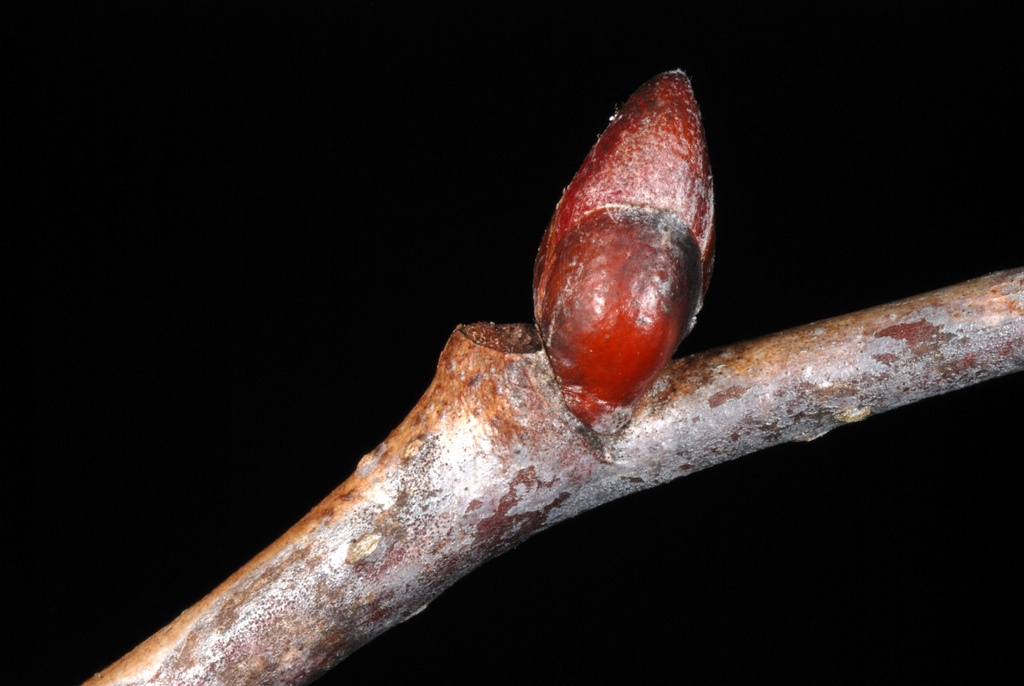
—observations
—countries
—peak records
Least ConcernConservation statusIUCN Red List categoriesLCNTVUENCREWEXLeast ConcernRed List categories, explained →
Diet & preyPhotosynthetic autotroph
Predators
- White-tailed Deer
- Spongy Moth
- Eastern Cottontail
ThreatsDefoliation by invasive spongy moths, basswood thrips, and logging pressure
HabitatsRich mesic deciduous forests, river valleys, and moist rocky hillsides
Life span150–200 years
Classification
- OrderMalvales
- FamilyMalvaceae
- GenusTilia
- SpeciesTilia americana
Range data is not available yet.
Interaction riskLow
- Low
- Moderate
- High
- Very high
- Why interaction risk is low
- Safe to observe at a normal distance.
Responsible observation
- Look for leaf asymmetry: Examine the broad heart-shaped leaves, noting how one side of the leaf base always dips lower than the other.
- Follow the fragrance: Locate flowering crowns in early summer by listening for humming pollinator swarms drawn to the sweet scent.
- Inspect the base: Check the root flare for a ring of young sapling sprouts clustered around older parent trunks.
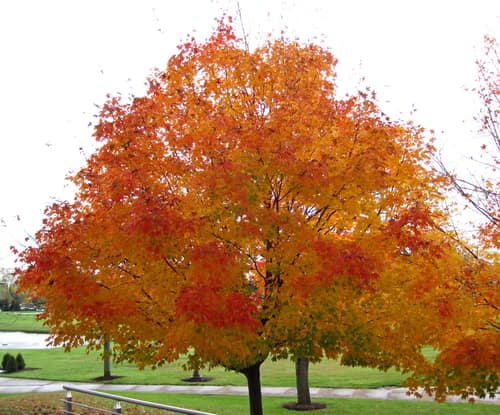
Frequent Companion (c) James St. John, some rights reserved (CC BY) · cc-by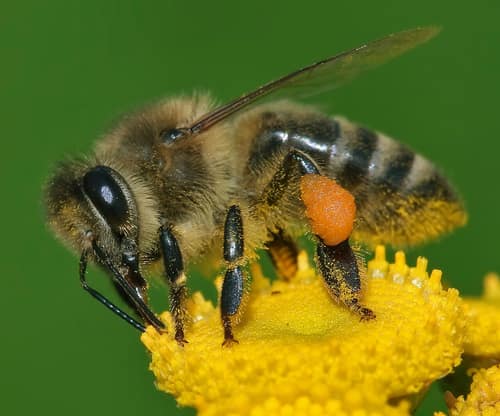
Pollinator Andreas Trepte / CC BY-SA 2.5 · cc-by-sa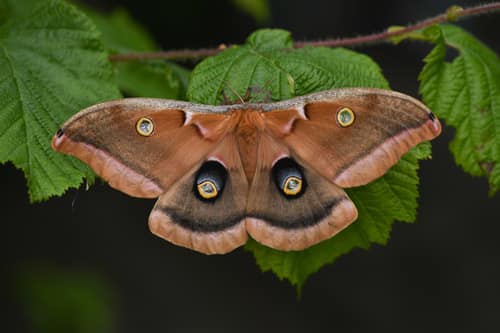
Host Plant (c) Trevor Van Loon, some rights reserved (CC BY), uploaded by Trevor Van Loon · cc-by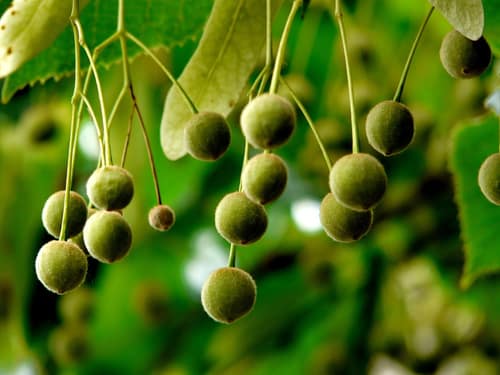
Close Relative (c) Alreadyexist, some rights reserved (CC BY-SA) · cc-by-sa
Help improve the field guideSomething wrong?
Checking your Fauna account…Report a name, category, or profile issue for review.