
Flower
Bushy Aster
Symphyotrichum dumosumAlso known as Rice Button Aster, Bushy American Aster
Bushy asters produce an airy haze of hundreds of tiny, daisy-like flower heads on intricately branched stems from late summer well into autumn. The central yellow disc florets mature to a reddish purple while contrasting with white to pale lavender ray petals that resemble miniature buttons. Thriving in sandy openings, meadows, and roadsides, this resilient perennial acts as a vital nectar lifeline for migrating monarchs and native bees preparing for winter.
WildflowerPollinator FriendlyPerennial
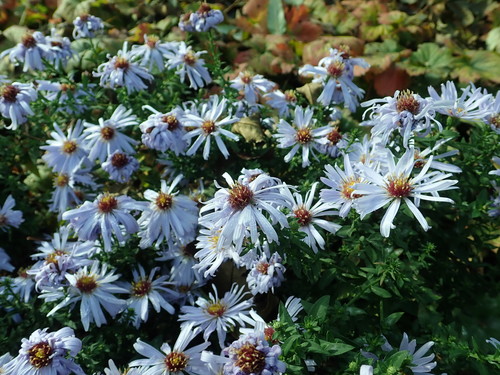
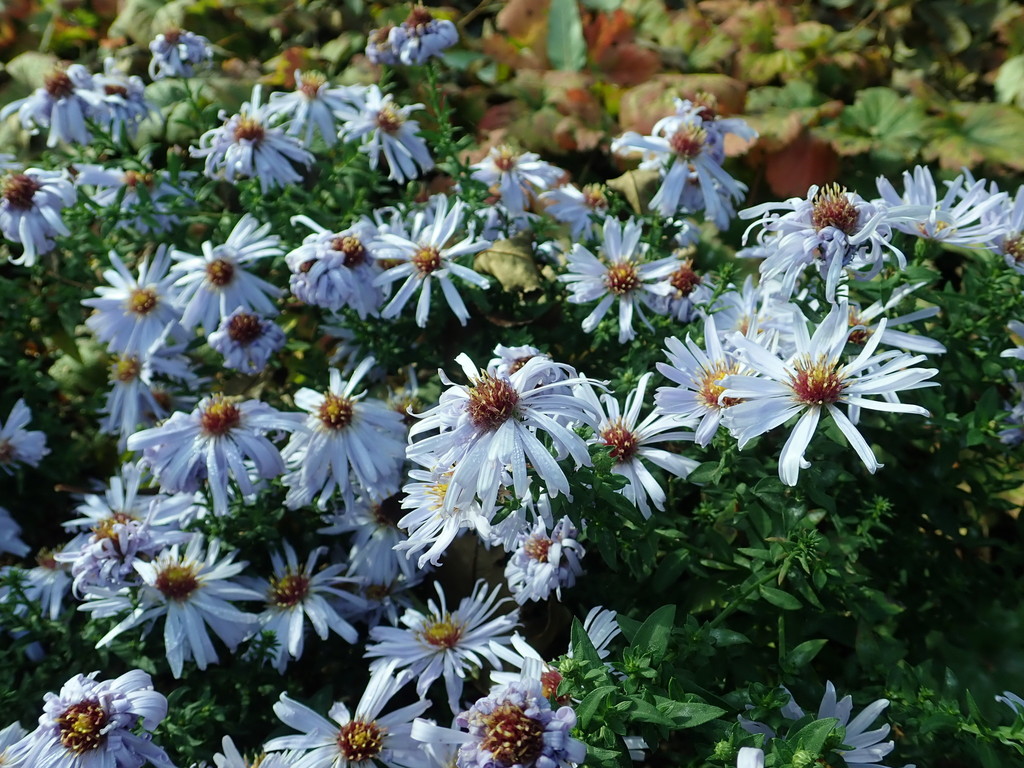
—observations
—countries
—peak records
Least ConcernConservation statusIUCN Red List categoriesLCNTVUENCREWEXLeast ConcernRed List categories, explained →
Diet & preyAutotroph (Photosynthesis)
Predators
- White-tailed Deer
- Eastern Cottontail
- Leaf-mining Caterpillars
ThreatsHabitat conversion, invasive plant competition, herbicide spraying
HabitatsPrairies, open woodlands, old fields, sandy savannas, roadsides
Life spanPerennial (5–10+ years)
Classification
- OrderAsterales
- FamilyAsteraceae
- GenusSymphyotrichum
- SpeciesSymphyotrichum dumosum
Range data is not available yet.
Interaction riskLow
- Low
- Moderate
- High
- Very high
- Why interaction risk is low
- Safe to observe at a normal distance.
Responsible observation
- Flower Spotting: Look for profusely branched sprays of button-sized flower heads during late summer and fall.
- Pollinator Watching: Quietly observe the open blooms on warm autumn afternoons to see diverse native bees and butterflies.
- Wildlife Gardening: Grow in well-drained sunny spots to offer crucial late-season forage for visiting insects.
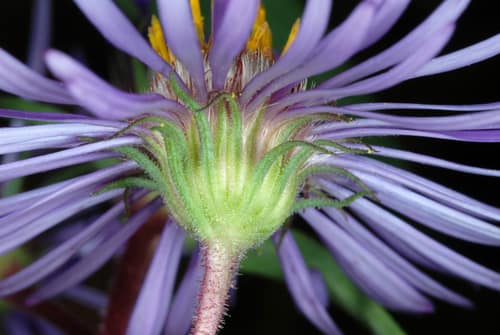
Same Genus (c) Douglas Goldman, some rights reserved (CC BY-SA), uploaded by Douglas Goldman · cc-by-sa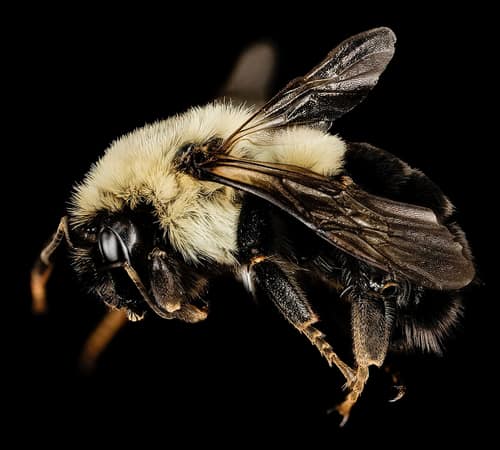
Pollinator USGS Bee Inventory and Monitoring Lab from Beltsville, Maryland, USA / Public domain · cc0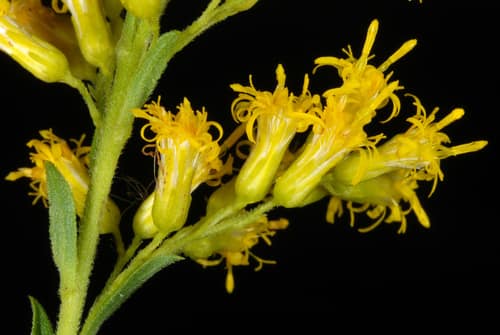
Frequent Companion (c) Douglas Goldman, some rights reserved (CC BY-SA), uploaded by Douglas Goldman · cc-by-sa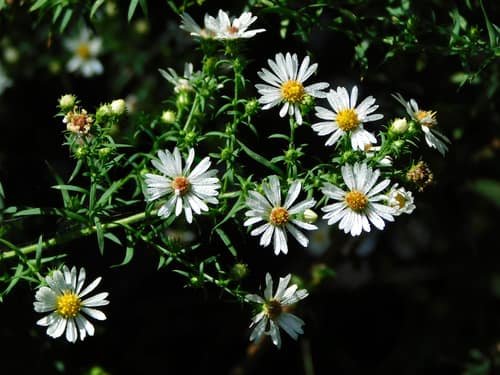
Close Relative (c) Michael J. Papay, some rights reserved (CC BY), uploaded by Michael J. Papay · cc-by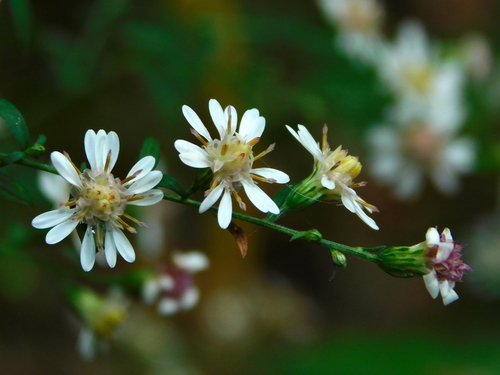
Close Relative (c) Michael J. Papay, some rights reserved (CC BY), uploaded by Michael J. Papay · cc-by
Help improve the field guideSomething wrong?
Checking your Fauna account…Report a name, category, or profile issue for review.