
Flower
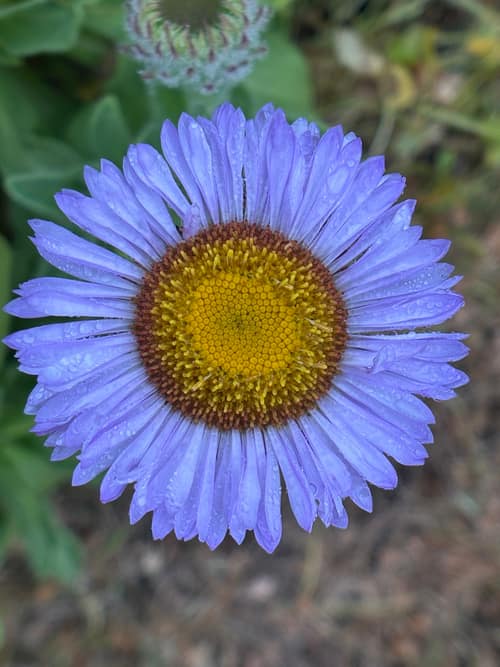
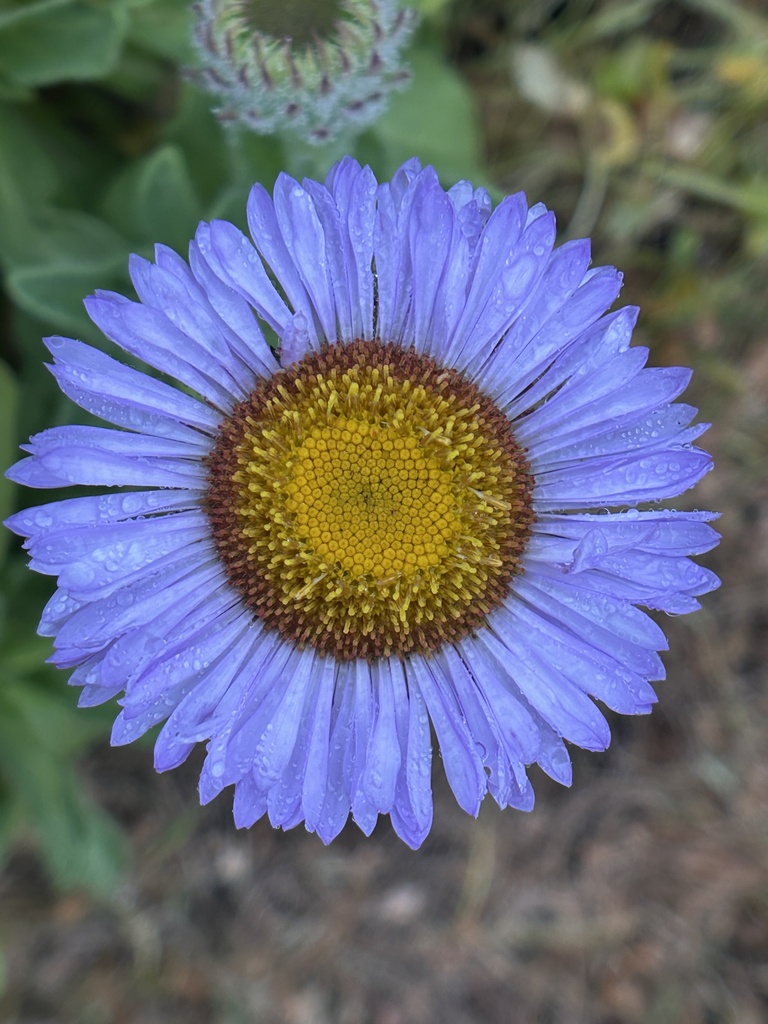
Seaside Daisy
Erigeron glaucusAlso known as Seaside Fleabane, Beach Aster
Seaside daisy forms low, succulent cushions of blue-green foliage clinging to windswept headlands, rocky coastal bluffs, and beach dunes. Its stout stems produce profuse composite flowers featuring dense discs of golden-yellow florets fringed by dozens of narrow, pale purple to deep lavender rays. These tough perennial mats endure relentless salt spray and maritime gale winds while providing an essential nectar supply to coastal pollinators.
CoastalFloweringPerennial
—observations
—countries
—peak records
Not EvaluatedConservation statusIUCN Red List categoriesLCNTVUENCREWEXNot Evaluated — not placed on the risk ladderRed List categories, explained →
Diet & preyAutotrophic
Predators
- Black-tailed Deer
- Cottontail Rabbits
- Caterpillars
ThreatsCoastal development, shoreline erosion, foot trampling, and invasive ice plant
HabitatsCoastal bluffs, maritime dunes, rocky headlands, and sea cliffs
Life spanPerennial (5–15 years)
Classification
- OrderAsterales
- FamilyAsteraceae
- GenusErigeron
- SpeciesErigeron glaucus
Range data is not available yet.
Interaction riskLow
- Low
- Moderate
- High
- Very high
- Why interaction risk is low
- Safe to observe at a normal distance.
Responsible observation
- Habitat Spotting: Look for low evergreen cushions along ocean-facing clifftops and rocky outcrop ledges.
- Pollinator Watching: Watch the daisy-like heads on warm afternoons for visiting bumblebees, skippers, and hoverflies.
- Bluff Etiquette: Stay on established coastal paths to avoid destabilizing fragile clifftop soils and crushing low mats.
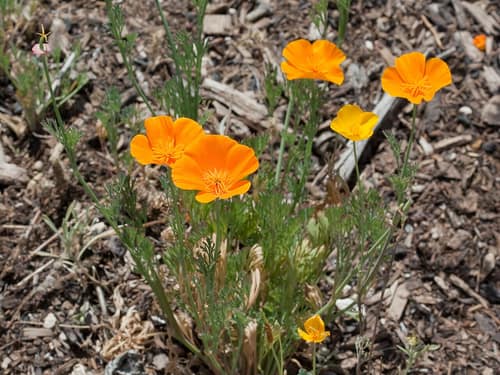
Frequent Companion Kaldari / CC0 · cc0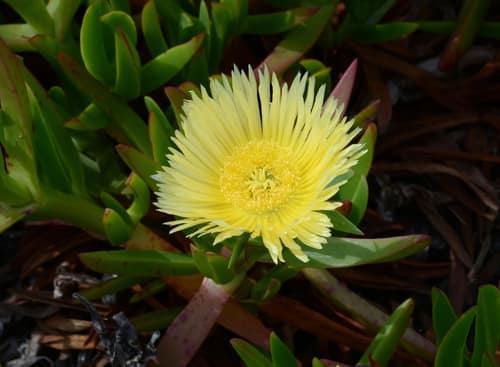
Competitor (c) Alvesgaspar, some rights reserved (CC BY-SA) · cc-by-sa Image unavailable
Frequent Companion 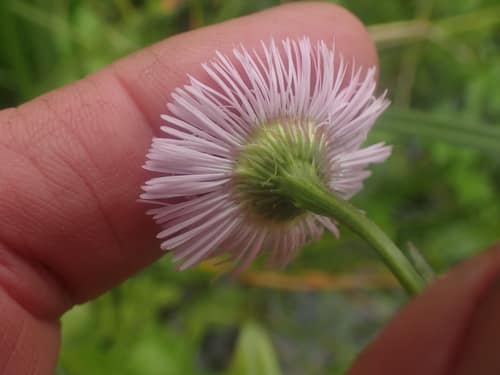
Close Relative no rights reserved, uploaded by Shane Johnson · cc0
Help improve the field guideSomething wrong?
Checking your Fauna account…Report a name, category, or profile issue for review.