
Plant
Philadelphia Fleabane
Erigeron philadelphicusAlso known as Daisy Fleabane, Philadelphia Daisy, Frost-Root, Marsh Fleabane
Philadelphia fleabane produces dense arrays of fine, hair-like ray petals surrounding bright yellow central disks, giving each bloom a delicate daisy-like appearance. Hairy stem leaves clasp completely around the main stalk, catching dew and providing early nectar for wild bees and butterflies. Spreading steadily across moist fields, roadsides, and riverbanks, it acts as a hardy pioneer plant throughout spring and early summer.
WildflowerNativeSpring Bloom
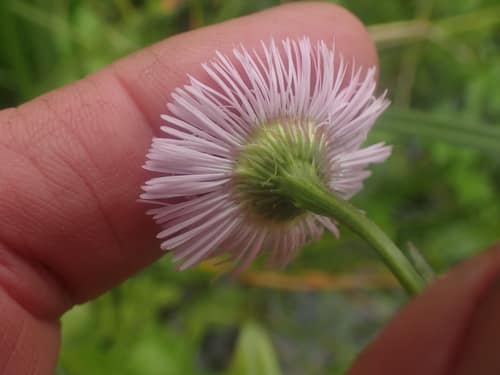
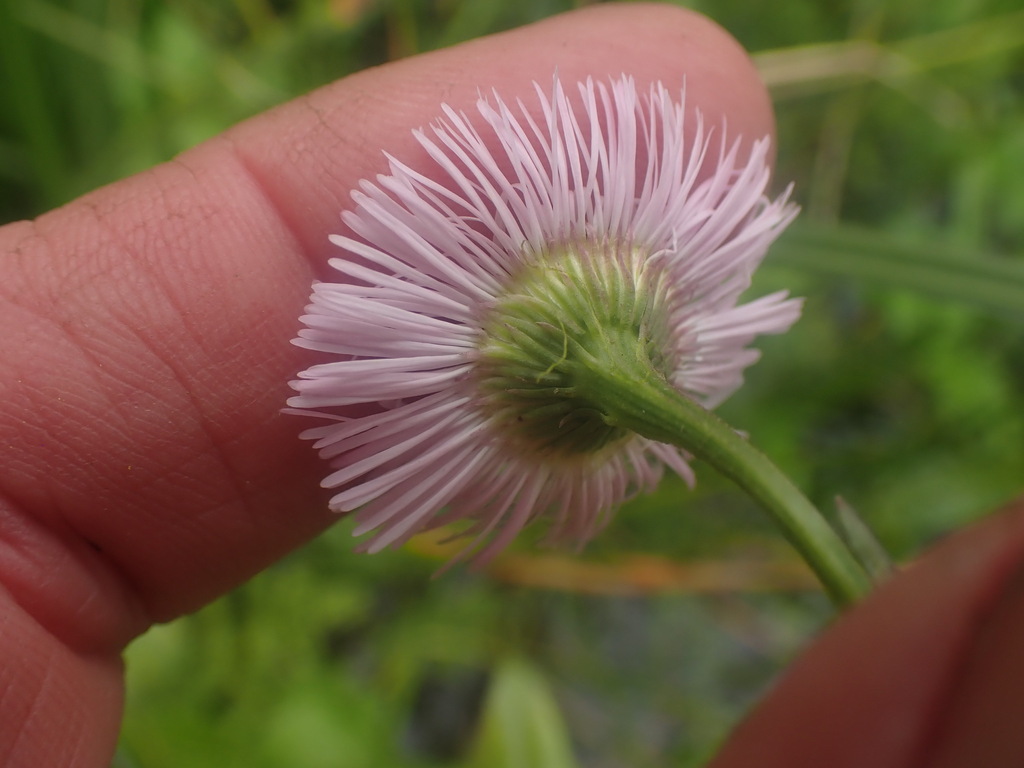
—observations
—countries
—peak records
Least ConcernConservation statusIUCN Red List categoriesLCNTVUENCREWEXLeast ConcernRed List categories, explained →
Diet & preySunlight, Water, Soil nutrients
Predators
- White-tailed deer
- Rabbits
- Herbivorous caterpillars
ThreatsHabitat conversion, aggressive lawn mowing, pesticide runoff
HabitatsFields, meadows, roadsides, stream banks, open woodlands
Life spanShort-lived perennial or biennial (1 to 3 years)
Classification
- FamilyAsteraceae
- SpeciesErigeron philadelphicus
Range data is not available yet.
Interaction riskLow
- Low
- Moderate
- High
- Very high
- Why interaction risk is low
- Safe to observe at a normal distance.
Responsible observation
- Identification: Look closely at the stem leaves to see if they clasp wrapped around the central stalk.
- Pollinator Support: Avoid mowing patches of these flowers during early spring to feed hungry native bees.
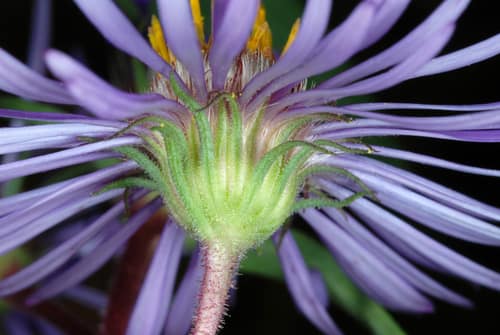
Ecological Neighbor (c) Douglas Goldman, some rights reserved (CC BY-SA), uploaded by Douglas Goldman · cc-by-sa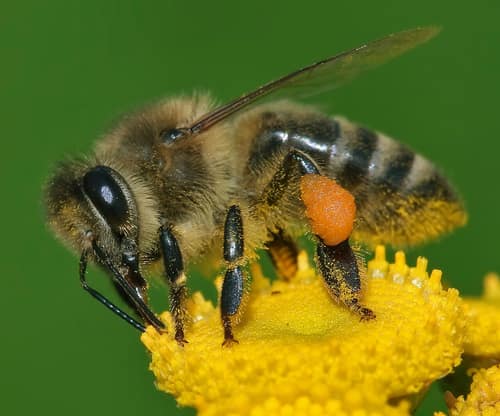
Pollinator Andreas Trepte / CC BY-SA 2.5 · cc-by-sa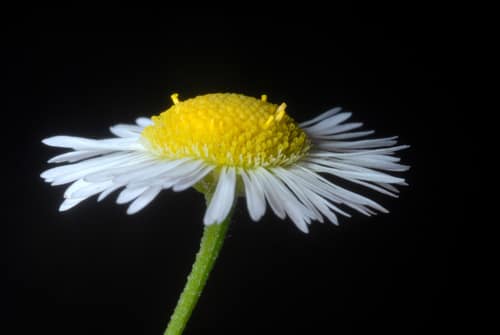
Close Relative (c) Douglas Goldman, some rights reserved (CC BY-SA), uploaded by Douglas Goldman · cc-by-sa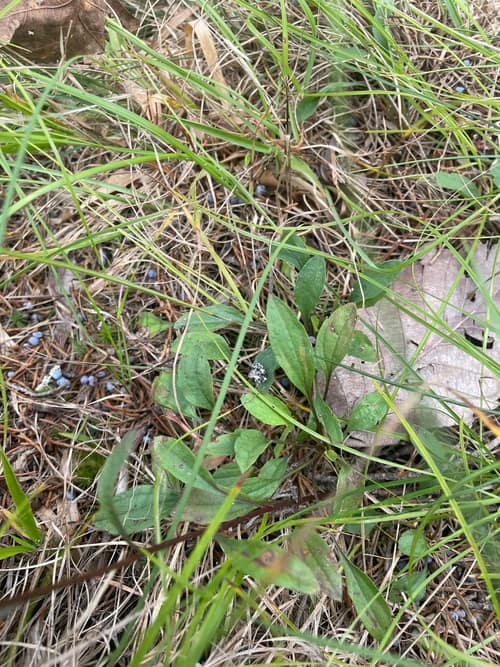
Close Relative no rights reserved, uploaded by Brandon Wheeler · cc0
Help improve the field guideSomething wrong?
Checking your Fauna account…Report a name, category, or profile issue for review.