
Plant · GBIF taxon 3146791
Horseweed
Erigeron canadensisAlso known as Canadian Fleabane, Coltstail, Marestail, Butterweed
Horseweed is an erect annual herb recognized by its tall, single central stem densely clothed in narrow, lance-shaped leaves. In late summer, the main stem terminates in a broad, branching panicle of tiny white-and-yellow composite flowers that yield thousands of wind-dispersed seeds. Highly adaptable, it quickly colonizes agricultural fields, roadsides, and disturbed soils across much of the globe.
AnnualPioneer SpeciesDisturbed Ground
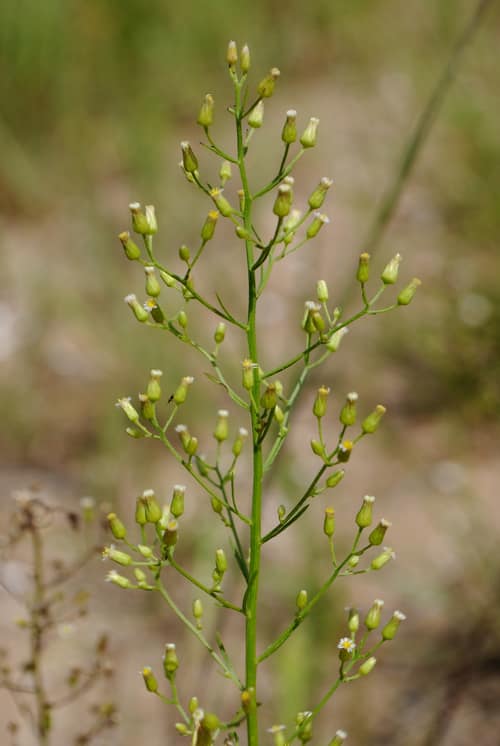
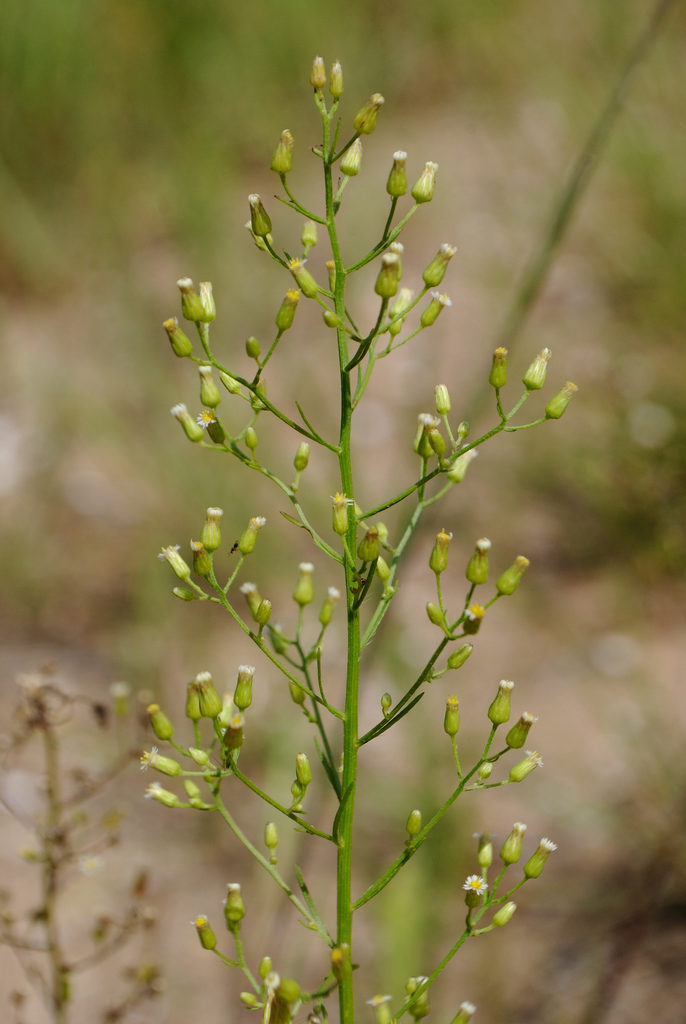 1 / 7
1 / 7—observations
—countries
—peak records
Least ConcernConservation statusIUCN Red List categoriesLCNTVUENCREWEXLeast ConcernRed List categories, explained →
Diet & prey
- Sunlight
- Water
- Soil Minerals
Predators
- Fleabane Gall Midge
- Mammalian Herbivores
- Generalist Caterpillars
ThreatsHerbicides and soil tillage, though it easily develops resistance
HabitatsFields, roadsides, pastures, cultivated cropland, urban waste ground
Life spanAnnual (1 year)
Size / weightNot available
Classification
- OrderAsterales
- FamilyAsteraceae
- GenusErigeron
- SpeciesErigeron canadensis
Range data is not available yet.
Interaction riskLow
- Low
- Moderate
- High
- Very high
- Why interaction risk is low
- Safe to observe at a normal distance.
Responsible observation
- Identification: Look for the single, leafy central stem that resembles a horse's tail before blooming.
- Weed Management: Pull young plants by hand in early spring before the deep taproot hardens and seeds set.
- Pollinator Support: Leave small patches in wild edges to feed beneficial native flies and tiny bees.
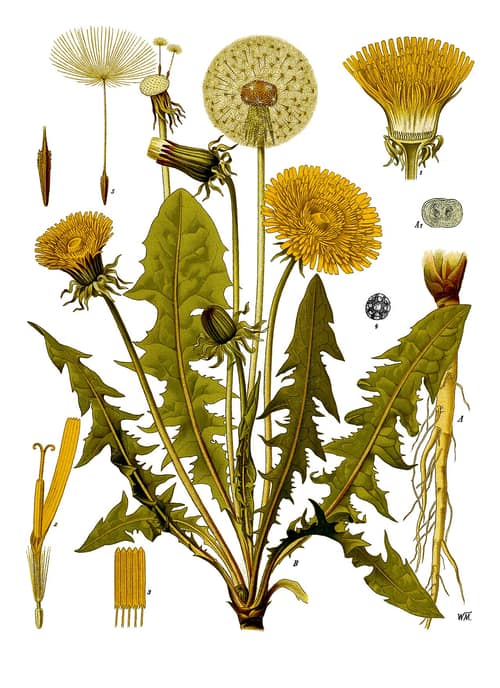
Competitor Walther Otto Müller / Public domain · cc0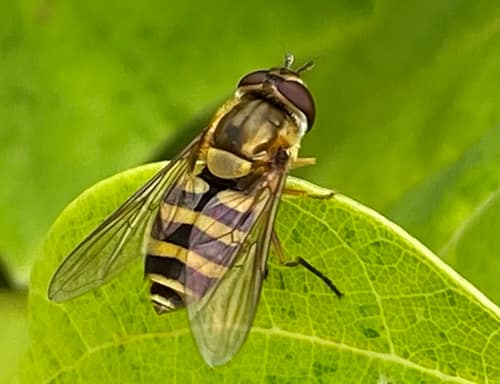
Pollinator (c) Virginia Heatwole, some rights reserved (CC BY), uploaded by Virginia Heatwole · cc-by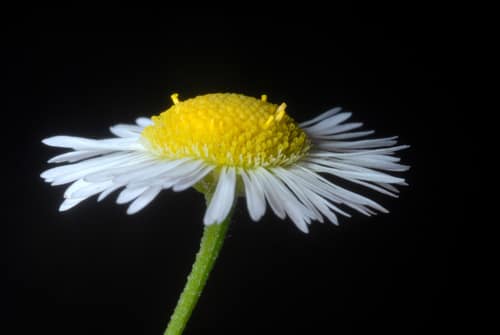
Close Relative (c) Douglas Goldman, some rights reserved (CC BY-SA), uploaded by Douglas Goldman · cc-by-sa
Close Relative no rights reserved, uploaded by 葉子 · cc0
Help improve the field guideSomething wrong?
Checking your Fauna account…Report a name, category, or profile issue for review.