
Plant
Annual Fleabane
Erigeron annuusAlso known as Daisy Fleabane, Eastern Daisy Fleabane
Annual fleabane brightens fields and roadsides with abundant daisy-like blooms featuring fine white to pale pink rays around a vibrant yellow central disc. Native to eastern North America, it spreads readily in sunny, disturbed soils across temperate regions worldwide. Its shallow root system and high seed production allow it to pioneer newly cleared land quickly, providing early season food for pollinators.
WildflowerAnnualPollinator Friendly
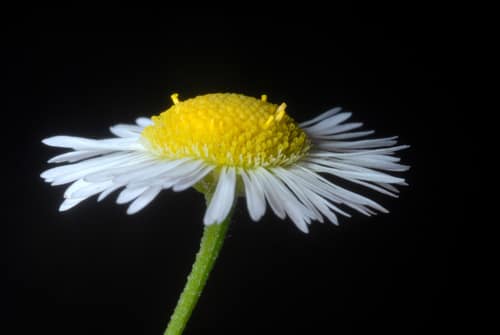
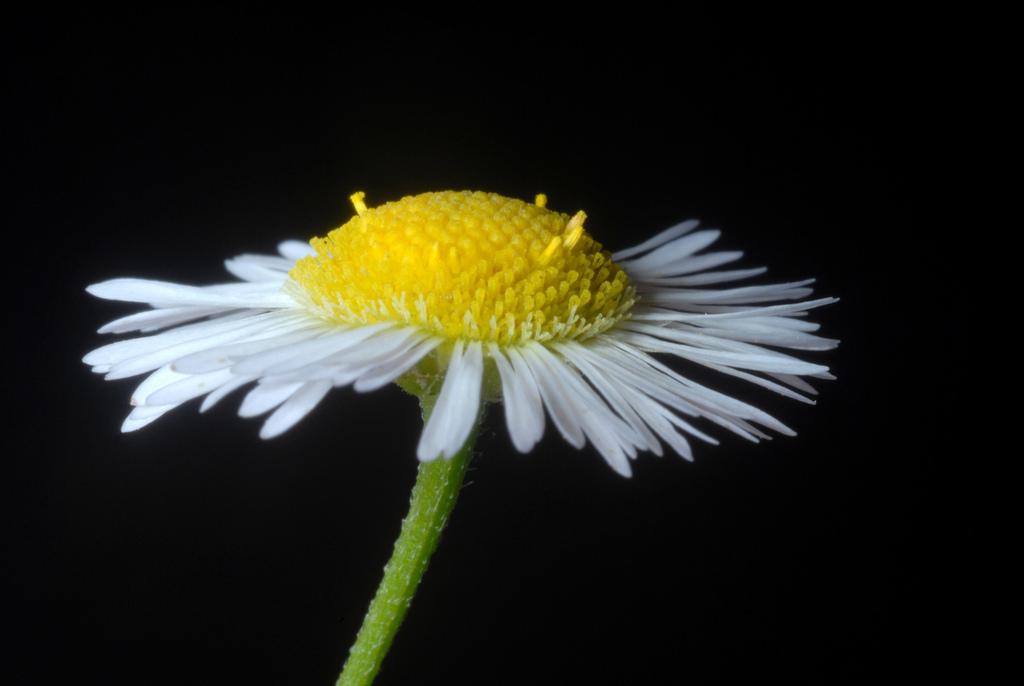
—observations
—countries
—peak records
Least ConcernConservation statusIUCN Red List categoriesLCNTVUENCREWEXLeast ConcernRed List categories, explained →
Diet & preyAutotrophic
Predators
- White-tailed Deer
- Eastern Cottontail
- Aphids
ThreatsFrequent mowing, intensive herbicide application
HabitatsFields, roadsides, meadows, disturbed soil, gardens
Life span1–2 years
Classification
- OrderAsterales
- FamilyAsteraceae
- GenusErigeron
- SpeciesErigeron annuus
Range data is not available yet.
Interaction riskLow
- Low
- Moderate
- High
- Very high
- Why interaction risk is low
- Safe to observe at a normal distance.
Responsible observation
- Identification: Look for delicate white to blush-pink fringe petals surrounding a bright yellow center on sparse foliage.
- Habitat Spotting: Search sunny fields, pasture edges, and disturbed roadside verges from early summer through autumn.
- Pollinator Watching: Observe small native bees, syrphid flies, and skippers feeding on the open flower discs.
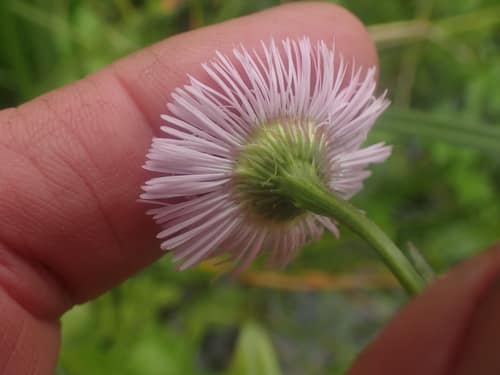
Close Relative no rights reserved, uploaded by Shane Johnson · cc0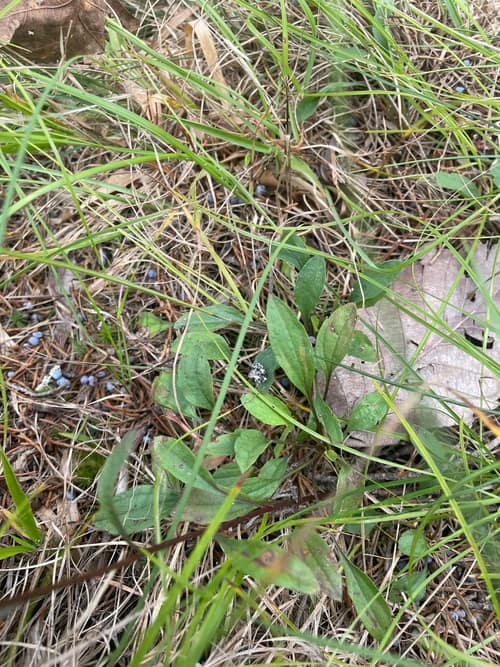
Close Relative no rights reserved, uploaded by Brandon Wheeler · cc0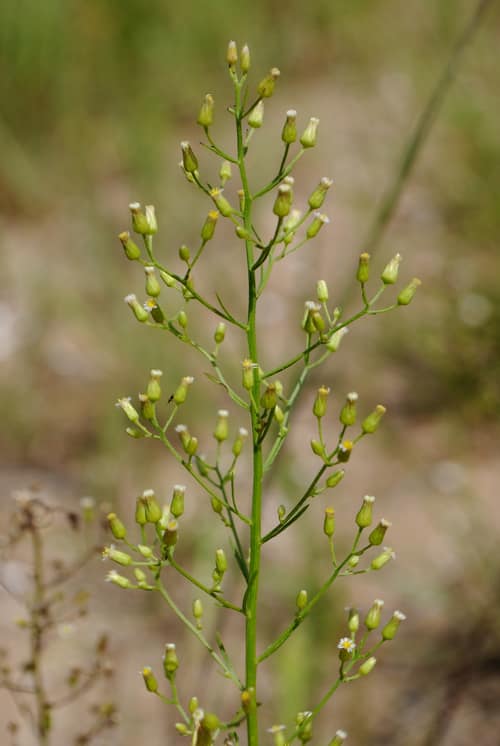
Close Relative (c) Zihao Wang, some rights reserved (CC BY), uploaded by Zihao Wang · cc-by
Help improve the field guideSomething wrong?
Checking your Fauna account…Report a name, category, or profile issue for review.