
Plant · GBIF taxon 3129663
Groundsel Tree
Baccharis halimifoliaAlso known as Sea Myrtle, Eastern Baccharis, Saltbush, Silverling
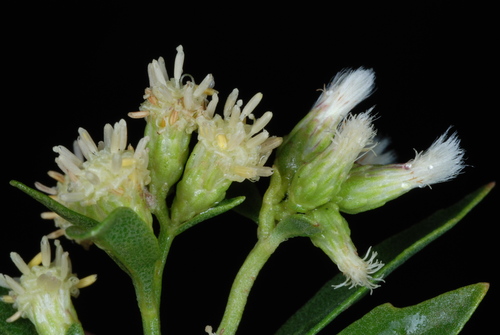
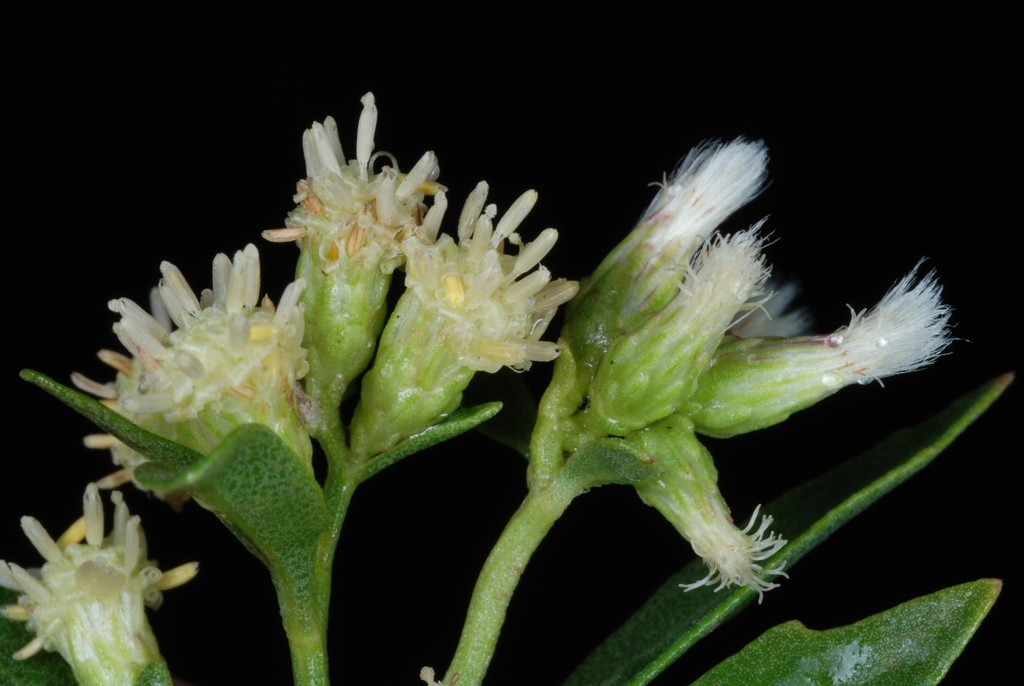
Groundsel tree thrives along coastal margins, tidal marshes, and disturbed inland edges where harsh salt spray and poor soils deter less resilient woody flora. This dioecious shrub produces separate male and female plants, transforming in late autumn when pollinated females erupt into clouds of silky, silvery-white seed plumes resembling a dusting of fresh snow. Widely dispersed by wind and water, it serves as valuable late-season cover for coastal birds but has become aggressively invasive in parts of southern Europe and Australia.
DeciduousCoastalSalt-Tolerant
 1 / 7
1 / 7—observations
—countries
—peak records
Least ConcernConservation statusIUCN Red List categoriesLCNTVUENCREWEXLeast ConcernRed List categories, explained →
Diet & prey
- Autotrophic (photosynthetic)
Predators
- Groundsel Leaf Beetle
- Groundsel Gall Midge
- Stem-boring Baccharis Buprestid
ThreatsHerbicide applications, mechanical removal in non-native invasive ranges, and severe drought
HabitatsSalt marshes, coastal dunes, ditch banks, estuaries, old fields, and disturbed roadsides
Life span15–30 years
Classification
- OrderAsterales
- FamilyAsteraceae
- GenusBaccharis
- SpeciesBaccharis halimifolia
Range data is not available yet.
Interaction riskHigh
- Low
- Moderate
- High
- Very high
- Why interaction risk is high
- Leaves and seeds contain cardioactive glycosides; keep away from livestock and pets.
- Why it is dangerous
- Contains cardioactive glycosides and resins that cause trembling, gastrointestinal upset, and cardiac arrest in cattle and sheep.
- How to recognize a risky encounter
- Look for wedge-shaped, gray-green leaves with coarse teeth toward the tip and fluffy white autumn seed heads.
- What to do
- Do not allow livestock to graze near stands, and wear gloves if cutting or clearing large volumes.
Responsible observation
- Timing Visits: Look for the dramatic silky plumes on female shrubs from September to November.
- Pasture Management: Fence grazing livestock away from dense stands to prevent accidental forage poisoning.
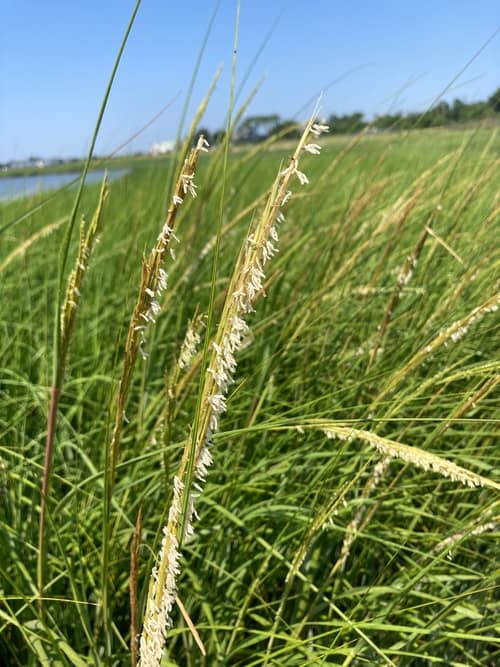
Neighbor (c) er-birds, some rights reserved (CC BY), uploaded by er-birds · cc-by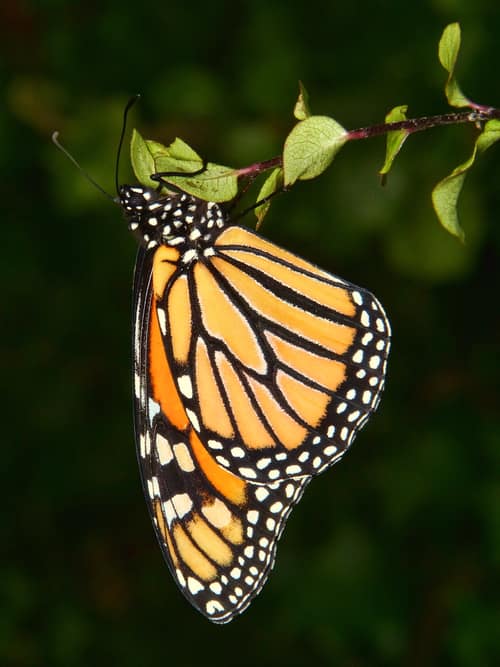
Pollinator Sid Mosdell from New Zealand / CC BY 2.0 · cc-by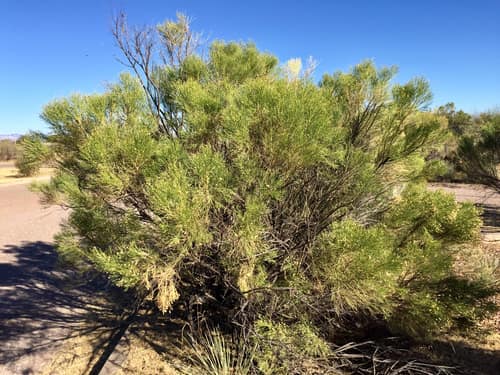
Close Relative (c) CK2AZ, some rights reserved (CC BY), uploaded by CK2AZ · cc-by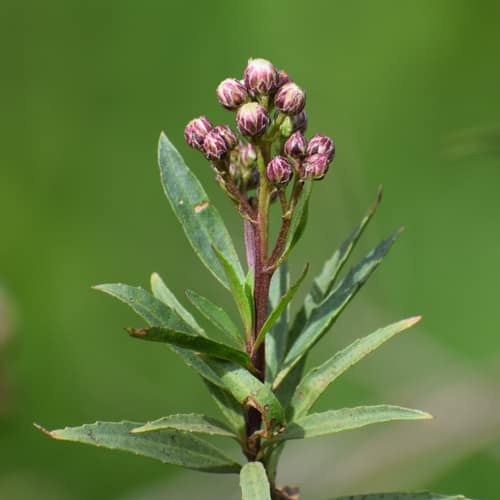
Close Relative no rights reserved, uploaded by Anne Parsons · cc0
Help improve the field guideSomething wrong?
Checking your Fauna account…Report a name, category, or profile issue for review.