
Plant
Poverty Weed
Baccharis neglectaAlso known as Roosevelt Weed, False Willow, Newfield Willow, Jinete
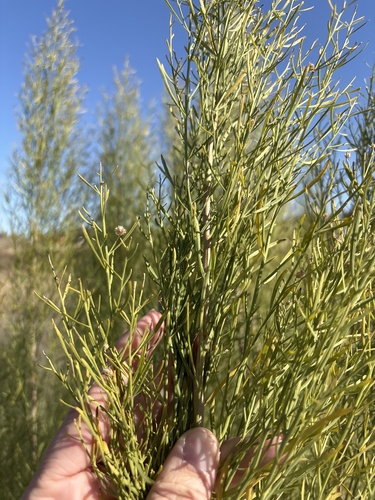
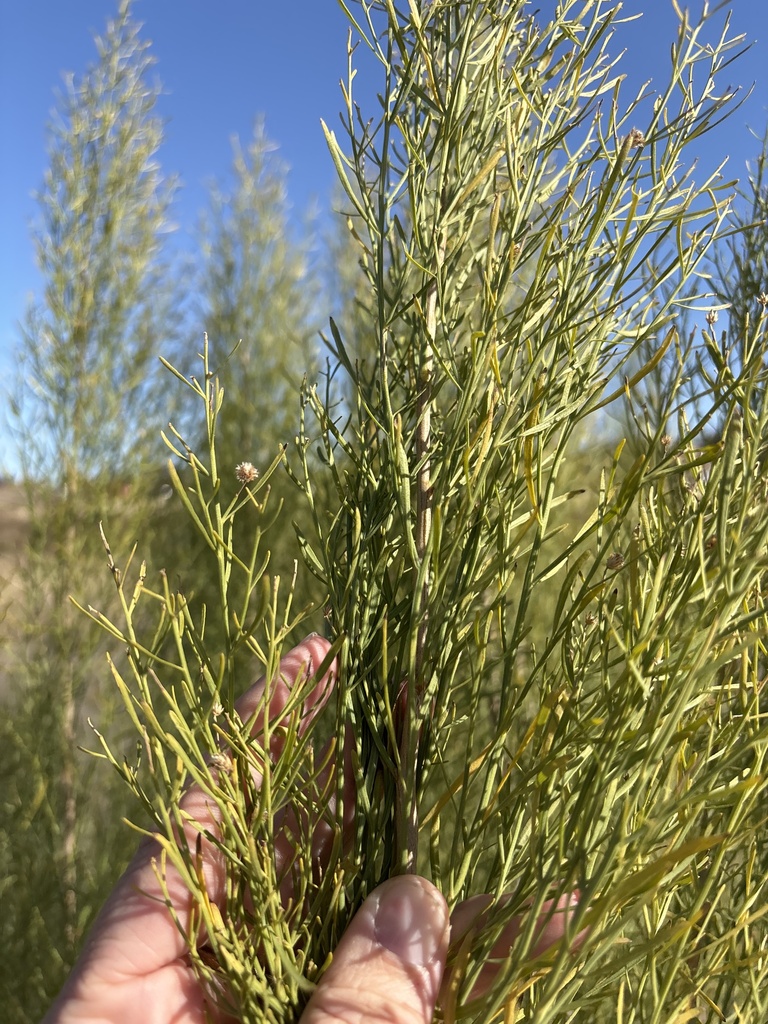
Poverty Weed is a tough, drought-tolerant perennial shrub that rapidly colonizes overgrazed pastures, abandoned fields, and disturbed roadsides across the sunbaked Southwest. In late autumn, female plants transform into dense clouds of silvery-white, silky seed heads that float on the wind to establish new stands. Its dense, narrow foliage resembles true willows, but resinous leaves and composite flowers reveal its membership in the sunflower family.
ShrubPioneer SpeciesDrought-Tolerant
—observations
—countries
—peak records
Least ConcernConservation statusIUCN Red List categoriesLCNTVUENCREWEXLeast ConcernRed List categories, explained →
Diet & preyAutotrophic / Photosynthetic
Predators
- White-tailed Deer
- Cattle
- Herbivorous Beetles
ThreatsBrush clearing and land development
HabitatsDisturbed soils, roadsides, pastures, prairies, stream banks
Life span10–25 years
Classification
- OrderAsterales
- FamilyAsteraceae
- GenusBaccharis
- SpeciesBaccharis neglecta
Range data is not available yet.
Interaction riskLow
- Low
- Moderate
- High
- Very high
- Why interaction risk is low
- Safe to observe at a normal distance.
Responsible observation
- Observe in Autumn: Look for female plants shrouded in feathery white seed fluff in late fall.
- Check for Resinous Leaves: Gently brush leaves to feel the sticky, aromatic resin coating.
- Watch for Pollinators: Visit male plants in bloom to observe feeding native bees and butterflies.
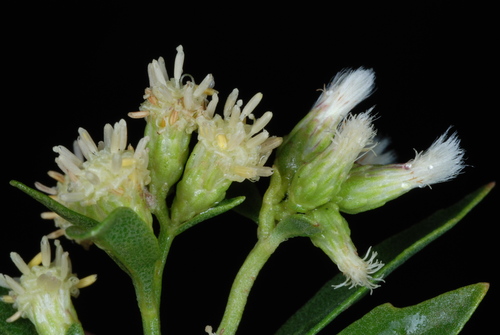
Close Relative (c) Douglas Goldman, some rights reserved (CC BY-SA), uploaded by Douglas Goldman · cc-by-sa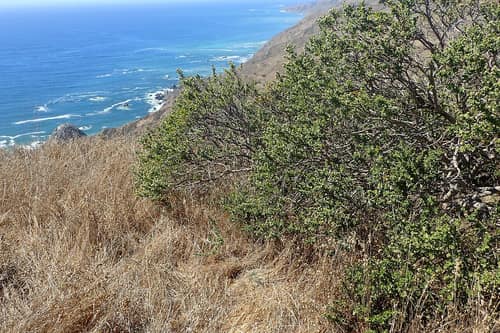
Close Relative Krzysztof Ziarnek, Kenraiz / CC BY-SA 4.0 · cc-by-sa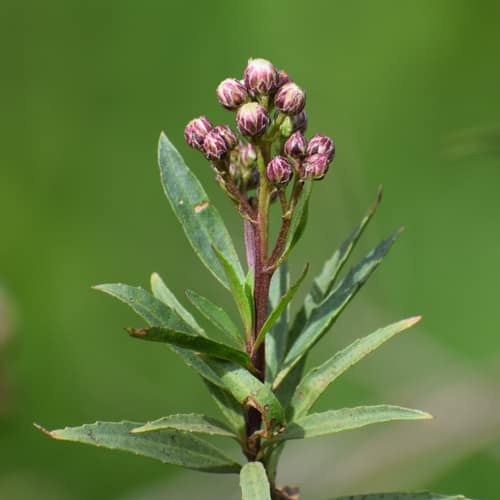
Close Relative no rights reserved, uploaded by Anne Parsons · cc0
Help improve the field guideSomething wrong?
Checking your Fauna account…Report a name, category, or profile issue for review.