
Plant · GBIF taxon 3120284
Fern-leaf Yarrow
Achillea filipendulinaAlso known as Fernleaf Yarrow, Gold Plate Yarrow, Golden Yarrow, Cloth of Gold
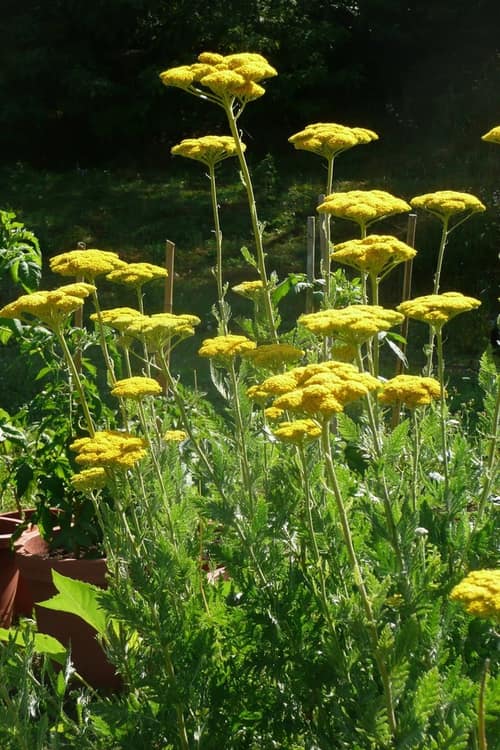
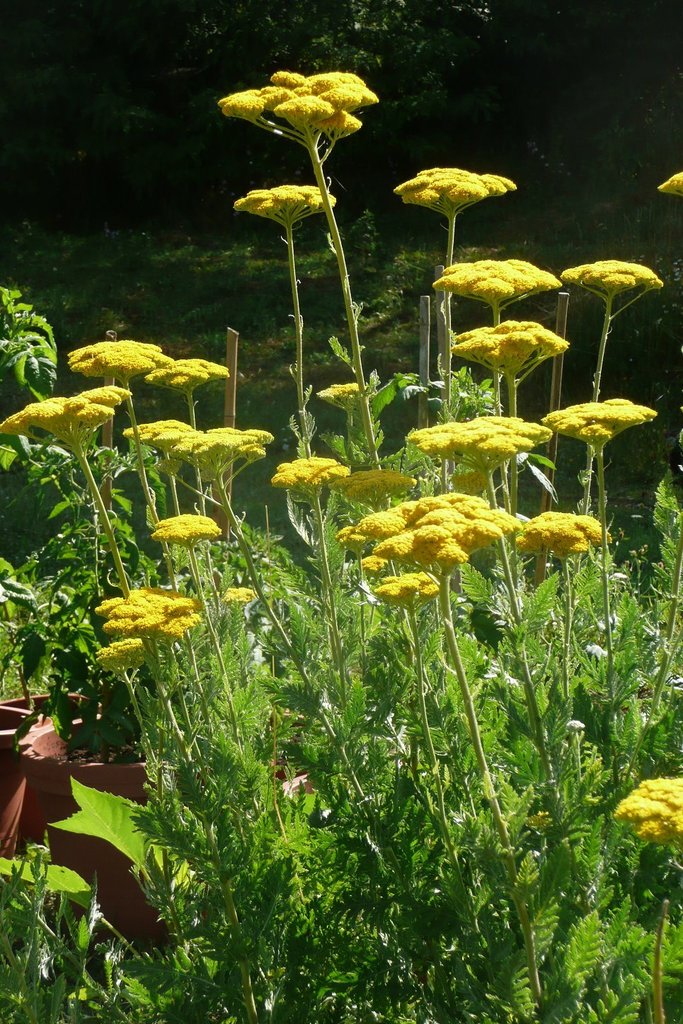
Fern-leaf yarrow towers above most other yarrows, casting tall, sturdy stems topped with dense, flat-topped golden flower clusters. Its deeply dissected, gray-green foliage releases a spicy, aromatic scent when brushed or bruised. Native to sunny meadows and stony slopes across Central Asia, this resilient perennial attracts a vast array of beneficial pollinators while thriving in dry, nutrient-poor soils.
AromaticFloweringDrought-Tolerant
—observations
—countries
—peak records
Not EvaluatedConservation statusIUCN Red List categoriesLCNTVUENCREWEXNot Evaluated — not placed on the risk ladderRed List categories, explained →
Diet & prey
- Autotrophic (Photosynthetic)
Predators
- Aphids
- Slugs
- Spittlebugs
ThreatsHabitat loss in native range, localized land clearing
HabitatsGrasslands, dry meadows, rocky slopes, cultivated gardens
Life spanPerennial (5–10 years)
Size / weightNot available
Classification
- OrderAsterales
- FamilyAsteraceae
- GenusAchillea
- SpeciesAchillea filipendulina
Range data is not available yet.
Interaction riskHigh
- Low
- Moderate
- High
- Very high
- Why interaction risk is high
- Foliage can cause mild skin irritation and is toxic to dogs, cats, and horses if ingested.
- Why it is dangerous
- Contains sesquiterpene lactones and volatile oils that cause contact dermatitis in sensitive individuals and gastrointestinal upset in pets.
- How to recognize a risky encounter
- Look for tall stems bearing dense, flat-topped mustard-yellow flower clusters above feathery, aromatic green leaves.
- What to do
- Wear gloves when pruning or handling foliage, and keep plants away from grazing domestic pets.
Responsible observation
- Pruning: Cut back spent flower heads to encourage a second flush of blooms in late summer.
- Handling: Wear gardening gloves when handling stems to prevent mild contact dermatitis from natural plant oils.
- Observing Pollinators: Stand near sunny blooms during warm afternoons to watch beneficial predatory insects feeding.
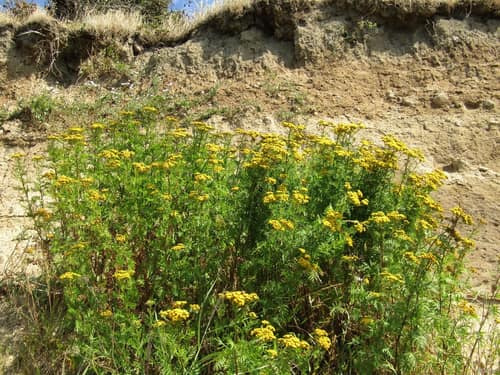
Similar Appearance (c) Maria, some rights reserved (CC BY), uploaded by Maria · cc-by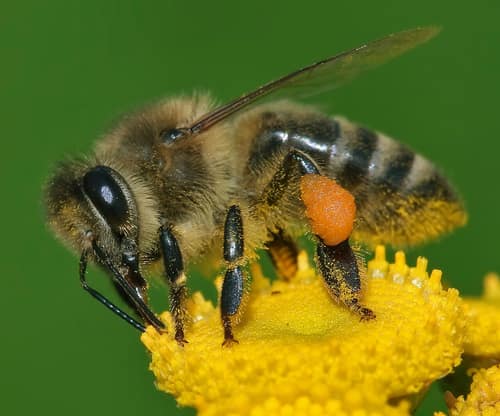
Pollinator Andreas Trepte / CC BY-SA 2.5 · cc-by-sa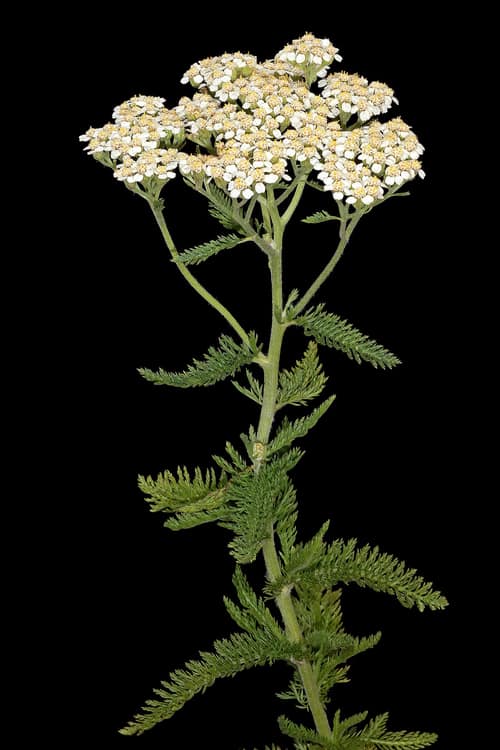
Close Relative SAplants / CC BY-SA 4.0 · cc-by-sa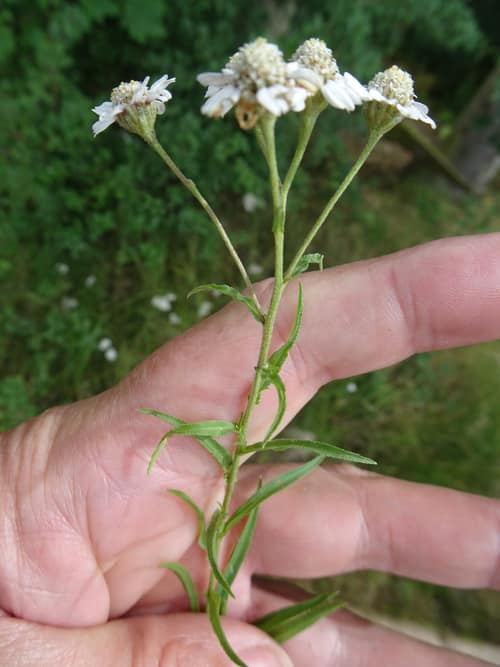
Close Relative no rights reserved · cc0
Help improve the field guideSomething wrong?
Checking your Fauna account…Report a name, category, or profile issue for review.