
Plant · GBIF taxon 3120060
Common Yarrow
Achillea millefoliumAlso known as Milfoil, Nosebleed Plant, Old Man's Pepper, Gordaldo
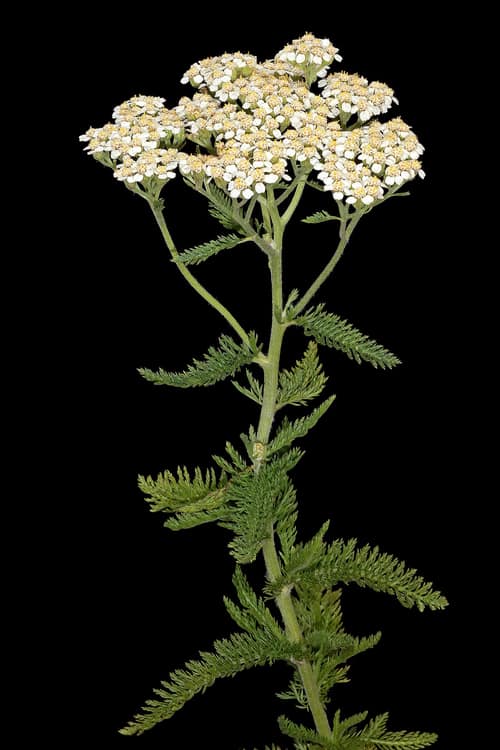
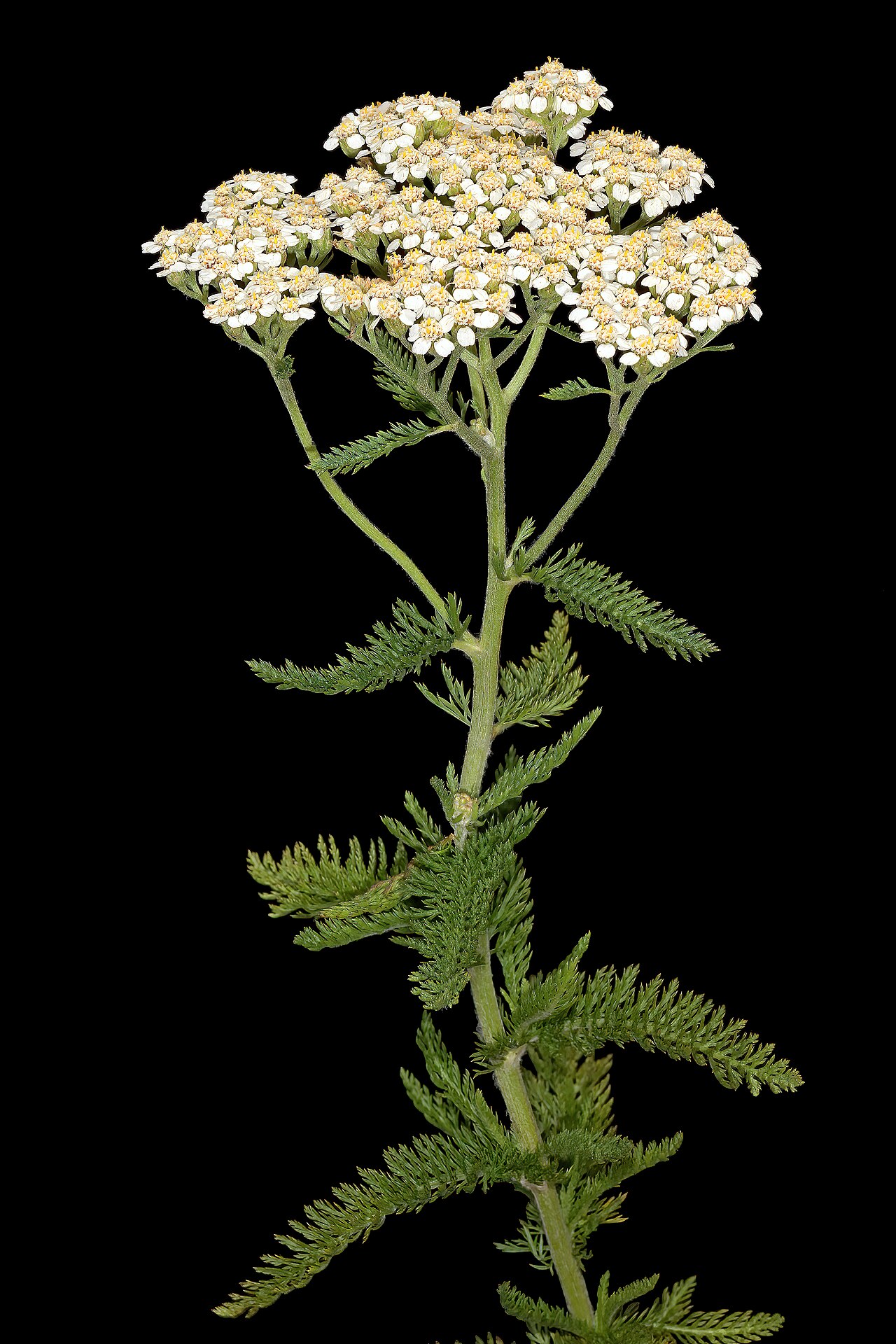
Common yarrow carpets sunny meadows and disturbed soils with dense, flat-topped clusters of tiny white to blush-pink flower heads. Its feathery, deeply dissected leaves resemble delicate fern fronds and release a pungent, herbal aroma when crushed. Spreading through creeping underground rhizomes, this resilient perennial forms hardy colonies that attract diverse pollinators while stabilizing loose soil.
FloweringAromaticPerennial
—observations
—countries
—peak records
Least ConcernConservation statusIUCN Red List categoriesLCNTVUENCREWEXLeast ConcernRed List categories, explained →
Diet & prey
- Autotrophic
Predators
- Grasshoppers
- Aphids
- Mammalian Herbivores
ThreatsLand development, agricultural intensification, heavy herbicide use
HabitatsGrasslands, meadows, pastures, open woodlands, roadsides
Life spanPerennial (5–10 years)
Size / weightNot available
Classification
- OrderAsterales
- FamilyAsteraceae
- GenusAchillea
- SpeciesAchillea millefolium
Range data is not available yet.
Interaction riskHigh
- Low
- Moderate
- High
- Very high
- Why interaction risk is high
- May cause contact dermatitis in sensitive individuals; wear gloves if handling large quantities.
- Why it is dangerous
- Contains plant compounds such as sesquiterpene lactones that can induce localized rash or skin swelling in sensitive people.
- How to recognize a risky encounter
- Look for fine fern-like leaves and flat, tight clusters of small white flower heads on sturdy stems.
- What to do
- Wear protective garden gloves when harvesting or clearing large patches, and wash hands afterward.
Responsible observation
- Observation: Inspect the flower heads closely to spot tiny predatory insects like hoverflies taking shelter.
- Identification: Gently press the foliage between your fingers to detect its distinct sage-like scent.
- Gardening: Grow in full sun and well-draining soil to maintain upright growth without staking.
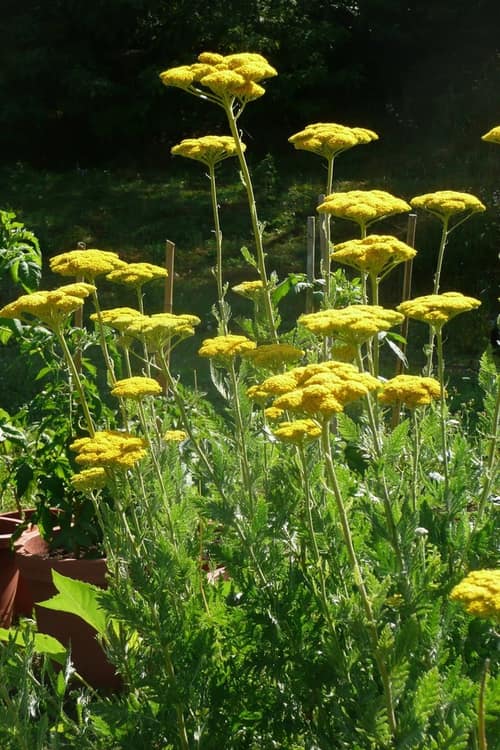
Close Relative (c) nociveglia, some rights reserved (CC BY) · cc-by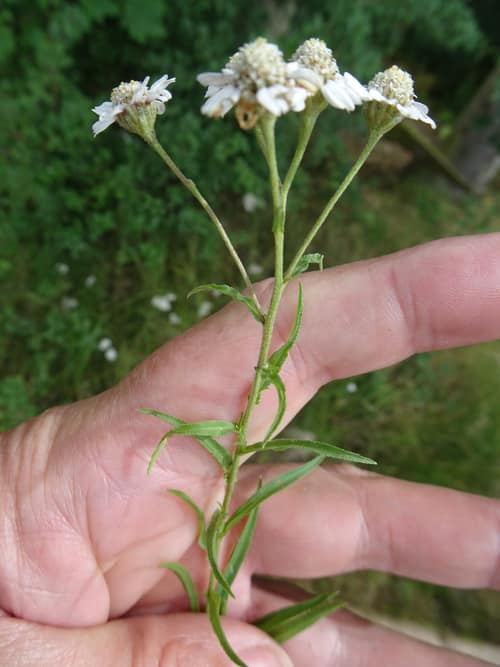
Close Relative no rights reserved · cc0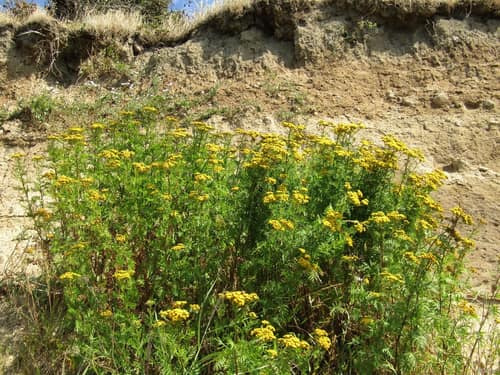
Aster Family Kin (c) Maria, some rights reserved (CC BY), uploaded by Maria · cc-by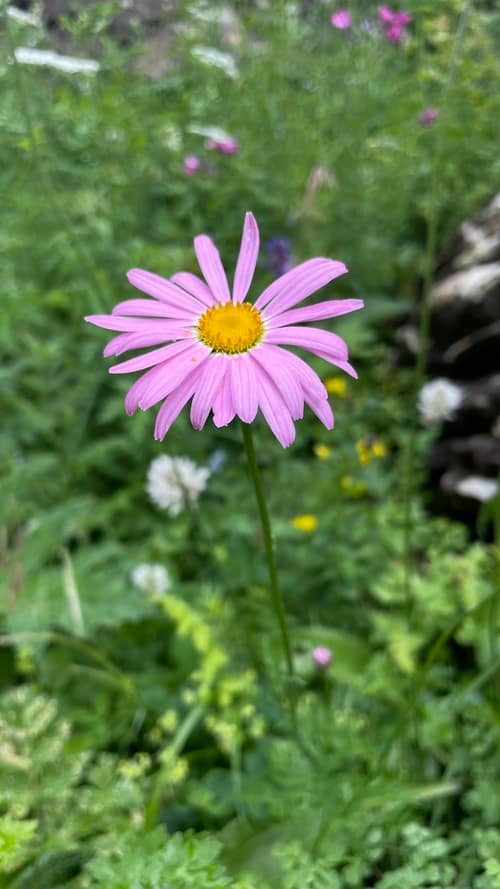
Aster Family Kin (c) Afanasovich Alexey, some rights reserved (CC BY), uploaded by Afanasovich Alexey · cc-by
Help improve the field guideSomething wrong?
Checking your Fauna account…Report a name, category, or profile issue for review.