
Plant · GBIF taxon 3119225
Prairie Sunflower
Helianthus petiolarisAlso known as Lesser Sunflower, Sand Sunflower, Petioled Sunflower
Prairie sunflowers thrive in dry, sandy soils across North American prairies, opening bright yellow blooms from midsummer into autumn. Their nectar and abundant pollen attract dozens of native bee species, while the small achenes feed overwintering songbirds. Recognized by their long leaf petioles and branched growth habit, these pioneer annuals rapidly colonize disturbed soil and roadsides.
AnnualWildflowerPollinator Friendly
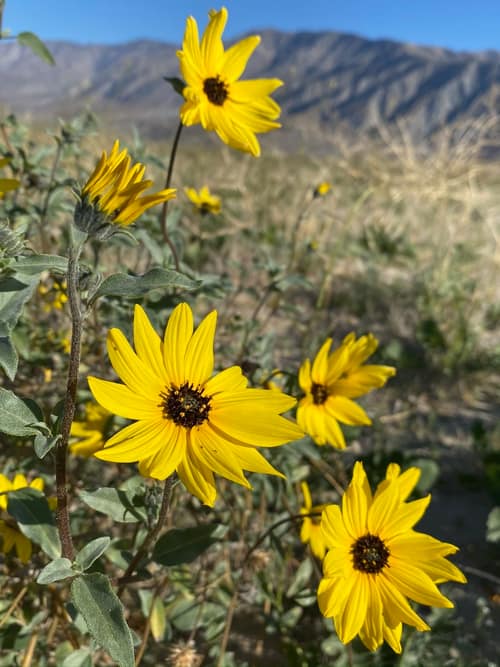
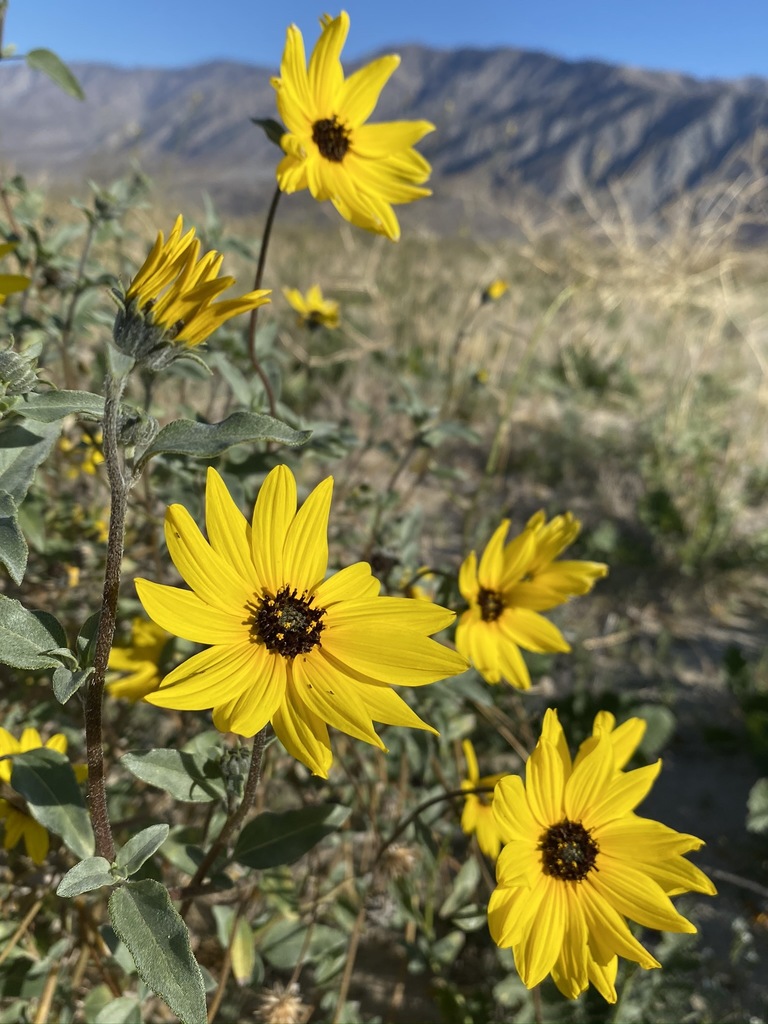 1 / 7
1 / 7—observations
—countries
—peak records
Least ConcernConservation statusIUCN Red List categoriesLCNTVUENCREWEXLeast ConcernRed List categories, explained →
Diet & prey
- Sunlight
- Water
- Soil Nutrients
Predators
- Grasshoppers
- White-tailed Deer
- American Goldfinches
ThreatsAgricultural herbicide use, intensive land development
HabitatsPrairies, sandy plains, roadsides, disturbed soils
Life span1 year (Annual)
Classification
- FamilyAsteraceae
- SpeciesHelianthus petiolaris
Range data is not available yet.
Interaction riskLow
- Low
- Moderate
- High
- Very high
- Why interaction risk is low
- Safe to observe at a normal distance.
Responsible observation
- Best Time to View: Look for bright blooms from June through September along sunny roadsides and prairies.
- Identification Cue: Check for long leaf petioles and reddish brown central disks smaller than common sunflowers.
- Wildlife Spotting: Watch for foraging native bees on flower heads and songbirds eating mature seeds.
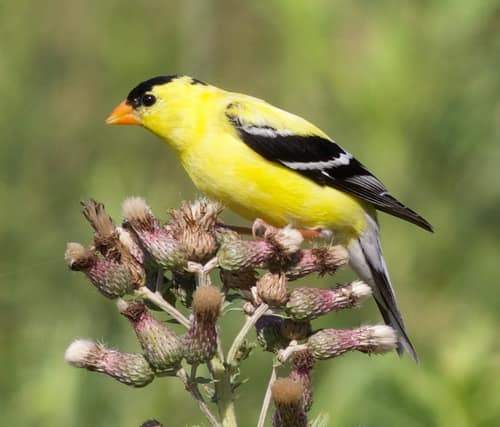
Seed Predator no rights reserved, uploaded by Glenn Berry · cc0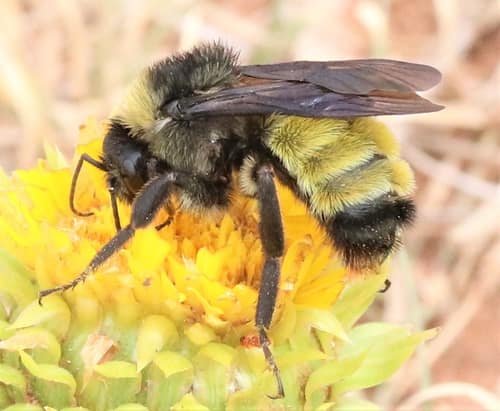
Pollinator (c) crseaquist, some rights reserved (CC BY), uploaded by crseaquist · cc-by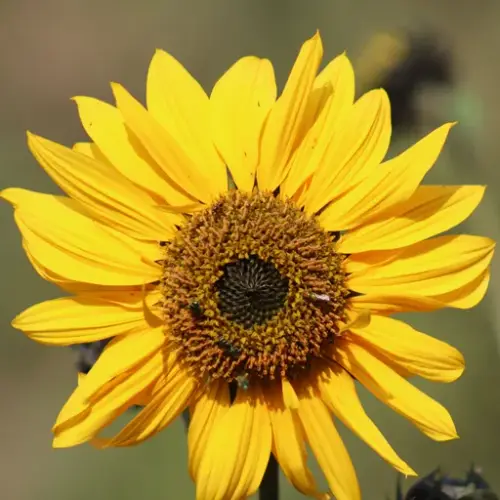
Close Relative Dr Photographer / PUBLIC DOMAIN · public domain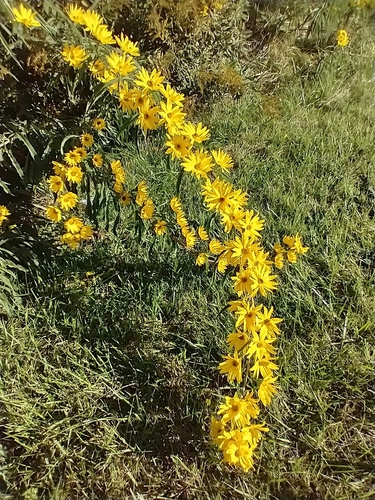
Close Relative (c) Tom Norton, some rights reserved (CC BY) · cc-by
Help improve the field guideSomething wrong?
Checking your Fauna account…Report a name, category, or profile issue for review.