
Flower
Creeping Thistle
Cirsium arvenseAlso known as Canada Thistle, Field Thistle, California Thistle, Corn Thistle
Creeping thistle forms aggressive, deep-rooting colonies via extensive horizontal rhizomes, making it a persistent fixture in fields and disturbed ground. Its small, fragrant purple flower heads attract a wide variety of native pollinators, including bumblebees and butterflies, during peak summer blooms. Wind-borne seeds equipped with feathery down allow it to rapidly colonize open landscapes across temperate regions worldwide.
PerennialPricklyPollinator Magnet
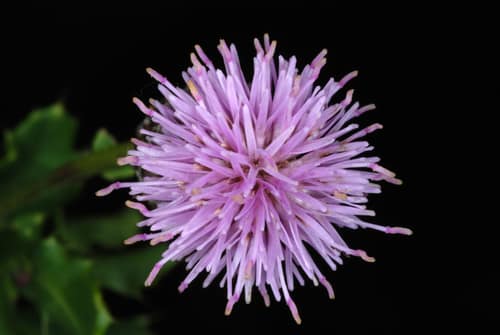
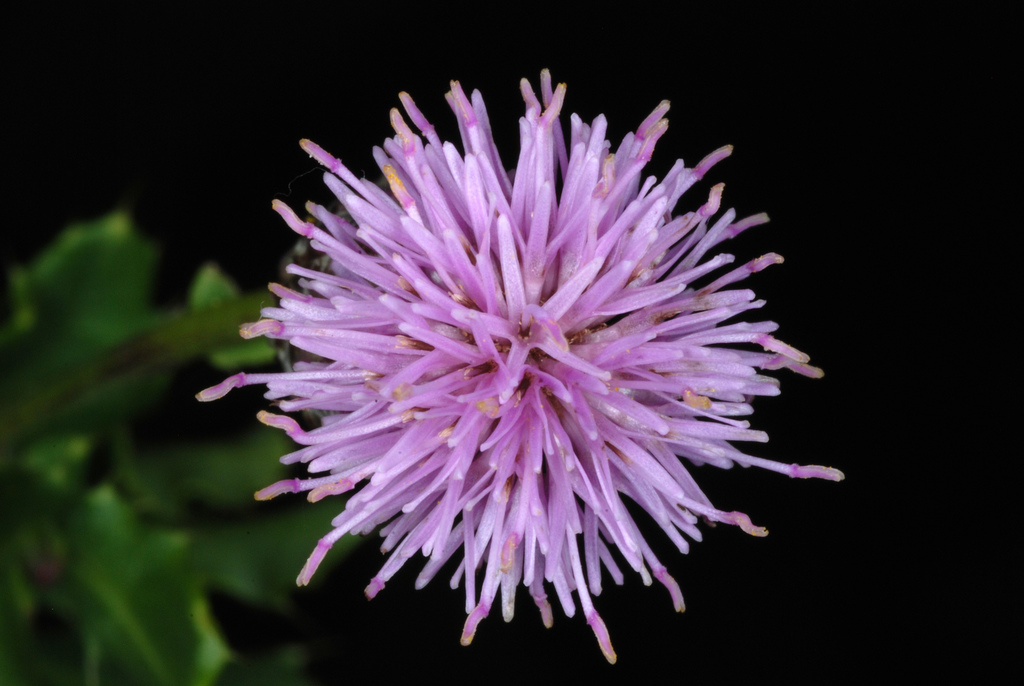
—observations
—countries
—peak records
Least ConcernConservation statusIUCN Red List categoriesLCNTVUENCREWEXLeast ConcernRed List categories, explained →
Diet & preyAutotrophic (photosynthetic)
Predators
- Goldfinches
- Painted Lady Caterpillars
- Thistle Gall Flies
ThreatsHerbicides, intensive cultivation, biological control insects
HabitatsAgricultural fields, pastures, roadsides, disturbed ground, grasslands
Life spanPerennial (clonal patches can persist indefinitely)
Classification
- OrderAsterales
- FamilyAsteraceae
- GenusCirsium
- SpeciesCirsium arvense
Range data is not available yet.
Interaction riskLow
- Low
- Moderate
- High
- Very high
- Why interaction risk is low
- Sharp leaf spines can prick bare skin; wear heavy gloves if handling.
- Why it is dangerous
- Leaves are edged with sharp spines that can easily puncture or scratch exposed skin.
- How to recognize a risky encounter
- Look for deeply lobed green leaves tipped with sharp prickles and clusters of small purple flower heads.
- What to do
- Wear thick gloves when clearing plants and avoid direct contact with bare hands.
Responsible observation
- Avoid Bare Skin: Wear thick gardening gloves and long sleeves when managing patches to prevent prickles.
- Observe Pollinators: Visit patches on sunny afternoons to spot bumblebees, hoverflies, and butterflies feeding.
- Check Seed Heads: Inspect fading blooms in late summer to see goldfinches harvesting seeds.
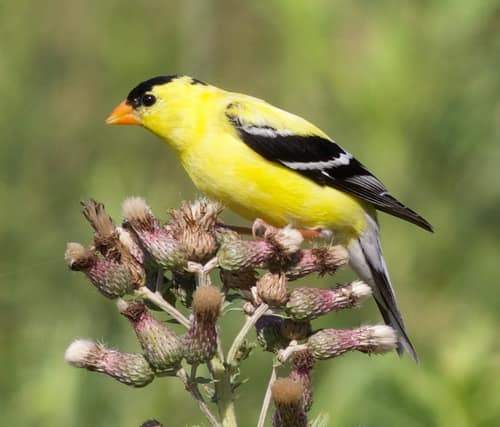
Seed Feeder no rights reserved, uploaded by Glenn Berry · cc0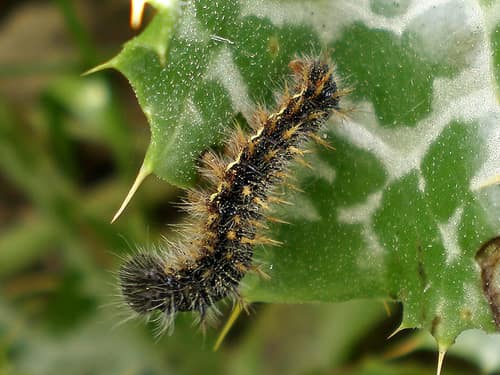
Larval Herbivore no rights reserved, uploaded by Joan C. Hinojosa · cc0 Image unavailable
Biocontrol Parasite 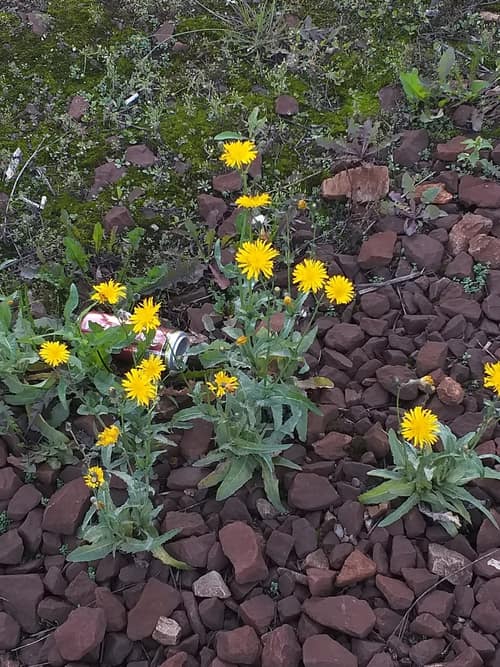
Co-occurring Weed (c) Dmitriy Bochkov, some rights reserved (CC BY), uploaded by Dmitriy Bochkov · cc-by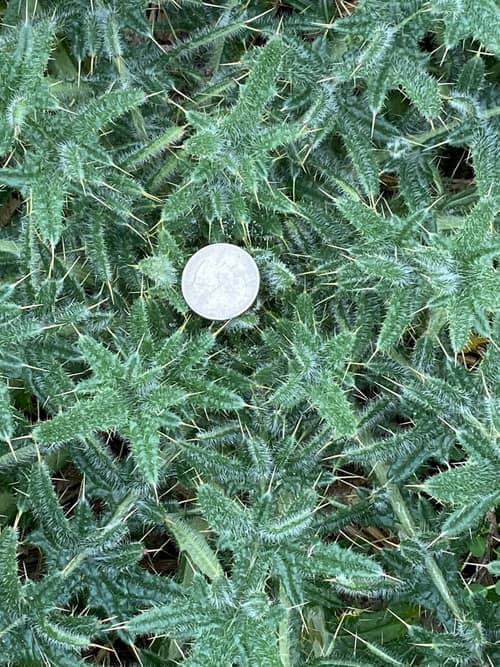
Close Relative (c) Sandy Wolkenberg, some rights reserved (CC BY), uploaded by Sandy Wolkenberg · cc-by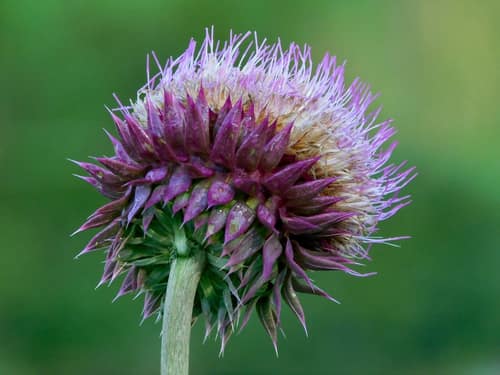
Close Relative (c) Michael J. Papay, some rights reserved (CC BY), uploaded by Michael J. Papay · cc-by
Help improve the field guideSomething wrong?
Checking your Fauna account…Report a name, category, or profile issue for review.