
Plant · GBIF taxon 3112741
Cirsium candelabrum
Cirsium candelabrumAlso known as Greek Candelabra Thistle
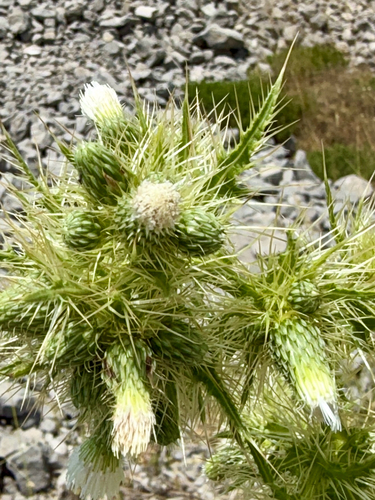
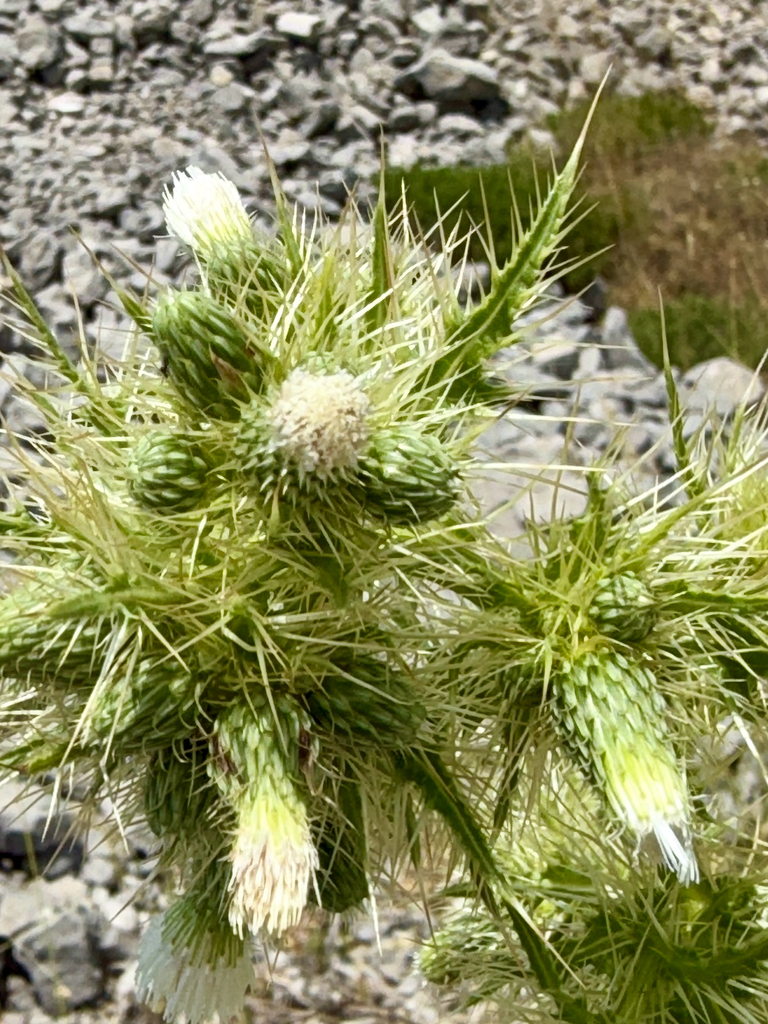
Candelabra thistle forms an impressive, branched framework topped with prickly purple flower heads. Native to montane meadows across the Balkan region, it sprouts as a compact rosette in its first year before sending up a towering flowering stalk in its second. Its sharp spiny foliage protects it from grazing mammals while its rich nectar supports mountain bees and butterflies.
SpinyMontaneFlowering
—observations
—countries
—peak records
Not EvaluatedConservation statusIUCN Red List categoriesLCNTVUENCREWEXNot Evaluated — not placed on the risk ladderRed List categories, explained →
Diet & prey
- Photosynthesis
Predators
- Herbivorous insects
- Grazing livestock
- Caterpillars
ThreatsOvergrazing, habitat loss, land development
HabitatsSubalpine meadows, rocky mountain slopes, gravelly scree
Life span2–3 years
Classification
- OrderAsterales
- FamilyAsteraceae
- GenusCirsium
- SpeciesCirsium candelabrum
Range data is not available yet.
Interaction riskLow
- Low
- Moderate
- High
- Very high
- Why interaction risk is low
- Sharp leaf spines can puncture bare skin; wear heavy gloves if handling.
Responsible observation
- Observation: Admire the architectural branching pattern from a distance to avoid contact with prickles.
- Identification: Look for towering central stems that branch outward like a multi-armed candelabra.
- Timing: Visit high mountain meadows in midsummer to spot full floral blooms.
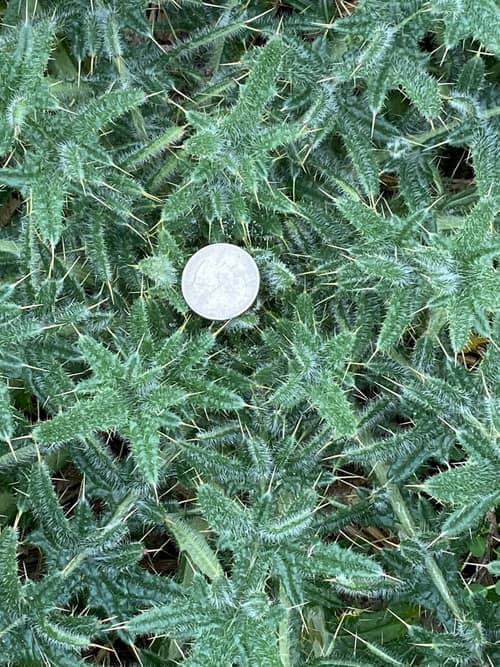
Close Relative (c) Sandy Wolkenberg, some rights reserved (CC BY), uploaded by Sandy Wolkenberg · cc-by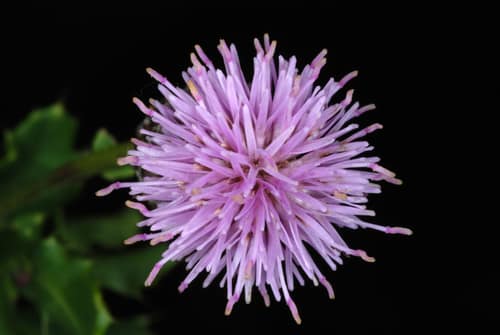
Close Relative (c) Douglas Goldman, some rights reserved (CC BY-SA), uploaded by Douglas Goldman · cc-by-sa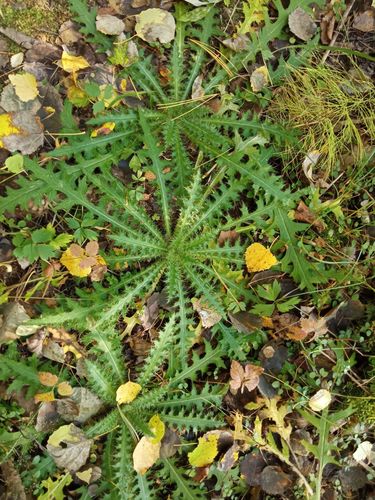
Close Relative (c) Tatiana Strus, some rights reserved (CC BY), uploaded by Tatiana Strus · cc-by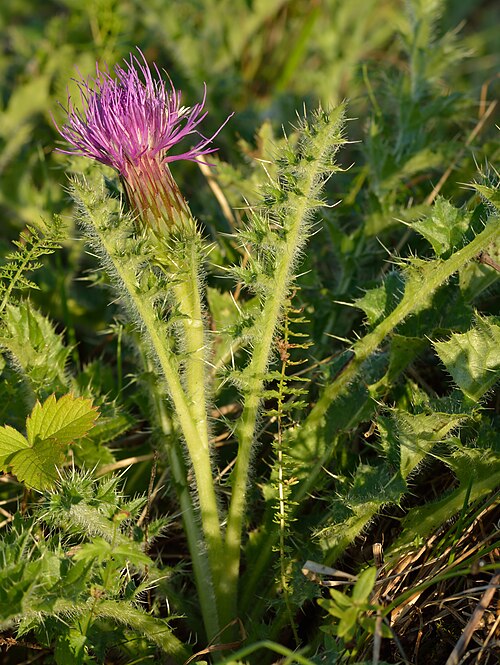
Close Relative Ivar Leidus / CC BY-SA 3.0 · cc-by-sa
Help improve the field guideSomething wrong?
Checking your Fauna account…Report a name, category, or profile issue for review.