
Plant
Coastal Plain Honeycombhead
Balduina angustifoliaAlso known as Yellow Balduina, Narrowleaf Honeycombhead, Honeycombhead
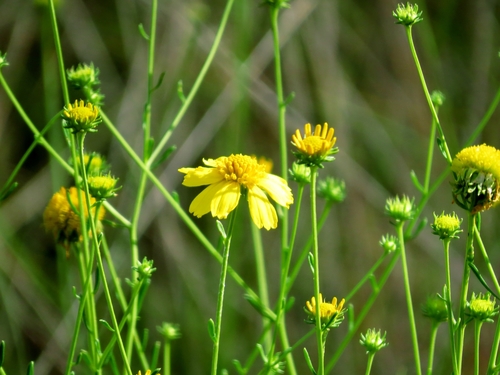
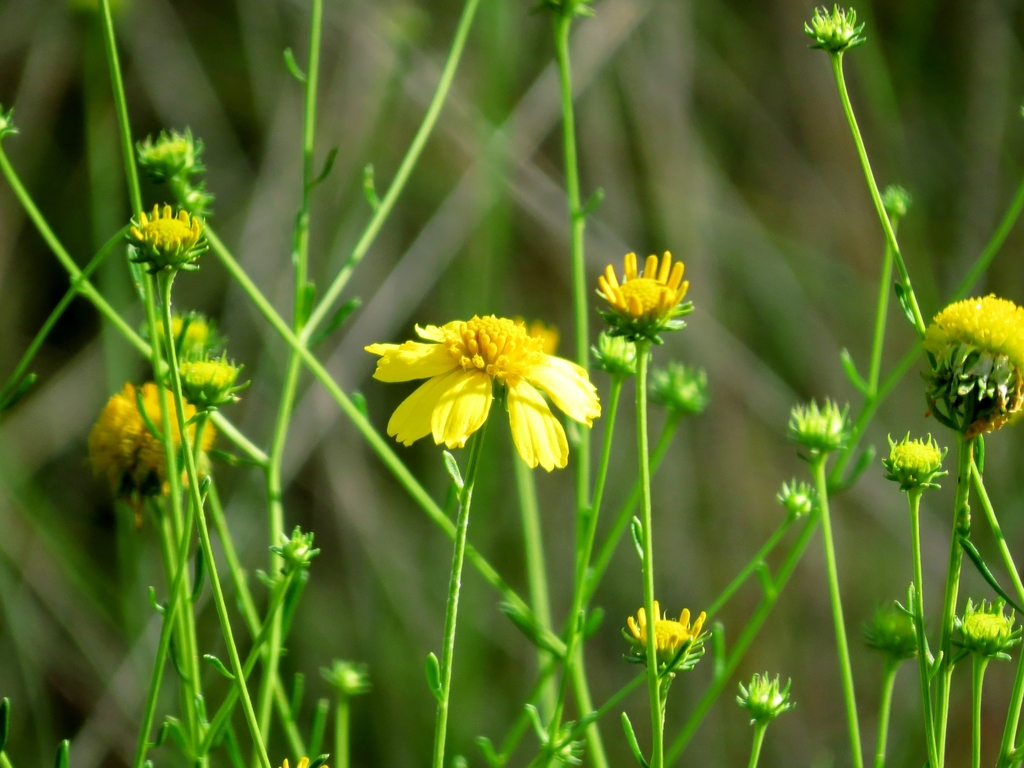
Coastal plain honeycombhead produces abundant golden flower heads that brighten well-drained southeastern pine barrens late into autumn. After pollination, the ray florets wither to expose a domed, pitted receptacle that closely resembles a miniature beeswax honeycomb. This distinctive structure cradles developing seeds, offering a vital late-season nectar source for native bees and butterflies across fire-adapted uplands.
WildflowerDrought-TolerantPollinator Friendly
—observations
—countries
—peak records
Not EvaluatedConservation statusIUCN Red List categoriesLCNTVUENCREWEXNot Evaluated — not placed on the risk ladderRed List categories, explained →
Diet & preySunlight, Water, Soil Nutrients
Predators
- White-tailed Deer
- Herbivorous Caterpillars
- Grasshoppers
ThreatsHabitat conversion, long-term fire suppression, and urban development
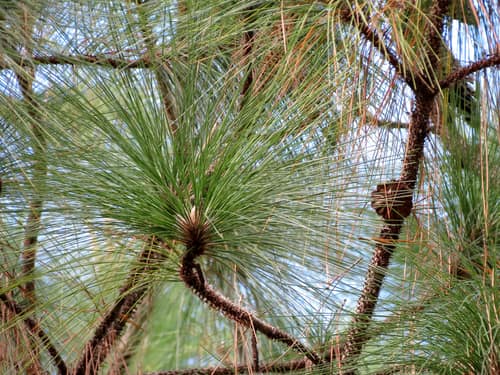
HabitatsLongleaf pine sandhills, scrub, pine flatwoods, and coastal dunes
Life span1–2 years (annual or biennial)
Classification
- FamilyAsteraceae
- SpeciesBalduina angustifolia
Range data is not available yet.
Interaction riskLow
- Low
- Moderate
- High
- Very high
- Why interaction risk is low
- Safe to observe at a normal distance.
Responsible observation
- Timing: Look for peak displays of yellow blooms between late summer and mid-autumn.
- Identification: Examine spent flower heads to see the honeycomb-like pattern of pits.
Canopy Associate (c) Katja Schulz, some rights reserved (CC BY) · cc-by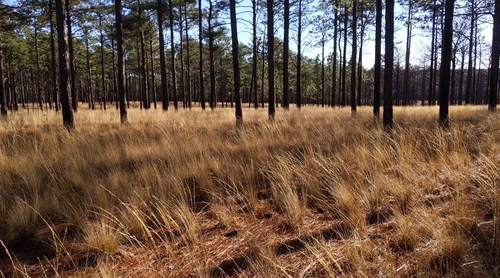
Frequent Companion no rights reserved · cc0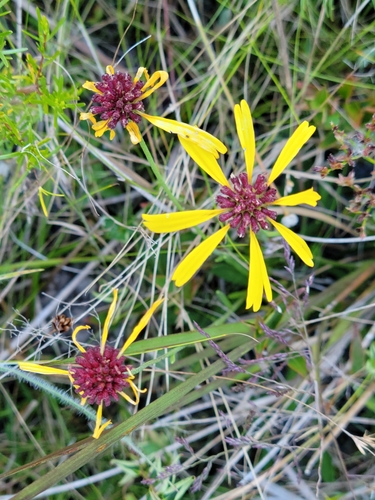
Close Relative (c) Jay Horn, some rights reserved (CC BY) · cc-by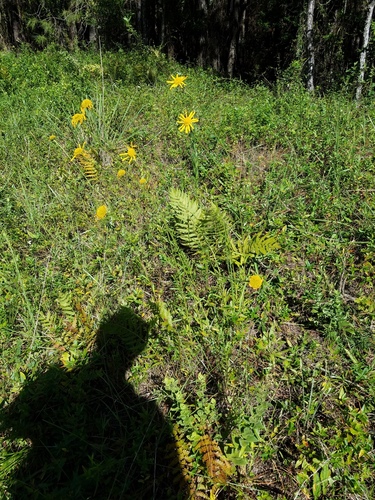
Close Relative (c) Leila Dasher, some rights reserved (CC BY) · cc-by
Help improve the field guideSomething wrong?
Checking your Fauna account…Report a name, category, or profile issue for review.