
Plant · GBIF taxon 3086240
Marvel of Peru
Mirabilis jalapaAlso known as Four O'Clock Flower, Four O'Clock, Beauty of the Night
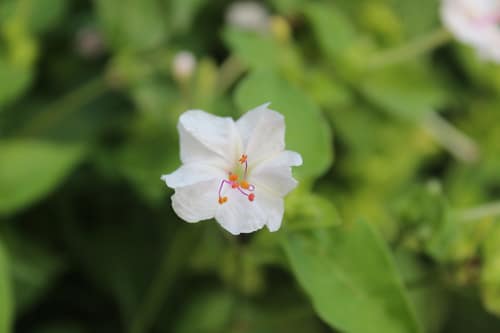
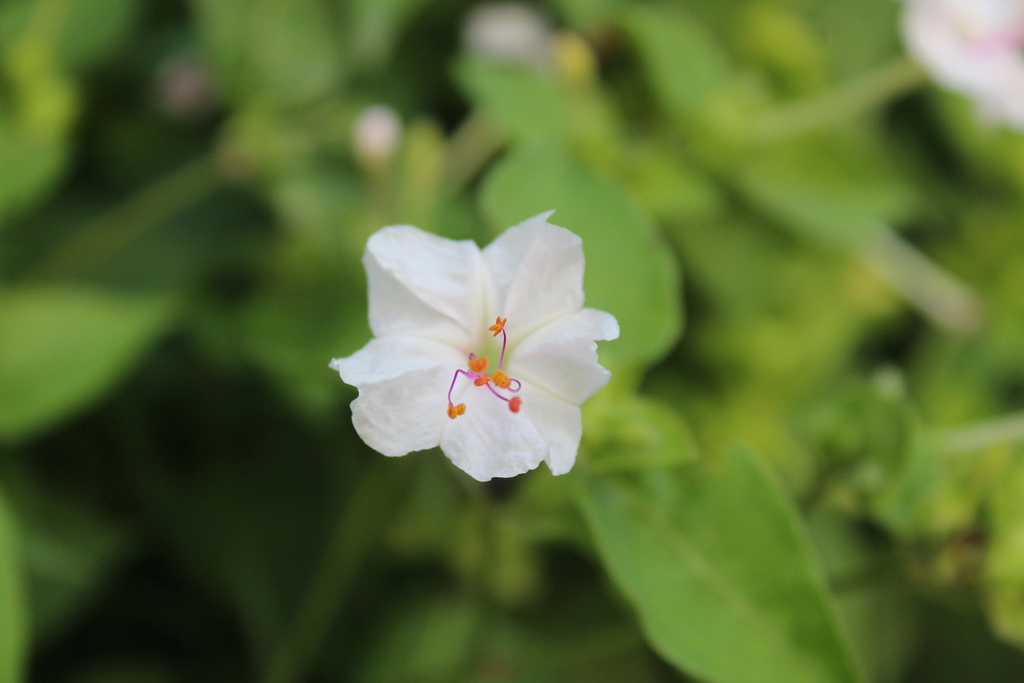
Marvel of Peru unfurls its fragrant, trumpet-shaped flowers in the late afternoon, earning its well-known nickname of the four o'clock flower. A single plant can produce blooms in multiple distinct colors, or even multi-colored streaked petals, which change pigment composition as the bush matures. These evening blossoms release a sweet perfume designed to attract night-flying sphinx moths and long-tongued pollinators.
FragrantNight-BloomingFlowering
—observations
—countries
—peak records
Not EvaluatedConservation statusIUCN Red List categoriesLCNTVUENCREWEXNot Evaluated — not placed on the risk ladderRed List categories, explained →
Diet & prey
- Autotrophic (Photosynthetic)
Predators
- Slugs
- Snails
- Caterpillars
ThreatsFreezing temperatures; invasive spread in tropical ecosystems
HabitatsGardens, disturbed ground, roadsides, warm temperate and tropical regions
Life spanPerennial (often grown as an annual in freezing climates)
Size / weightNot available
Classification
- OrderCaryophyllales
- FamilyNyctaginaceae
- GenusMirabilis
- SpeciesMirabilis jalapa
Range data is not available yet.
Interaction riskHigh
- Low
- Moderate
- High
- Very high
- Why interaction risk is high
- Seeds and tubers contain toxic alkaloids; keep away from pets and do not ingest.
- Why it is dangerous
- Contains toxic resinous alkaloids and trigonelline in the seeds and roots that cause stomach distress and severe irritation if swallowed.
- How to recognize a risky encounter
- Recognized by its bushy foliage, dark wrinkled seeds resembling tiny grenades, and tubular blooms opening late in the day.
- What to do
- Wash hands after gathering seeds or tubers, and keep all parts away from curious pets or young children.
Responsible observation
- Observing Blooms: Visit plants in late afternoon or early evening when the flowers unfurl.
- Night Wildlife: Watch quietly after dark to spot long-tongued hawk moths probing for nectar.
- Seed Collection: Look for dark, hard, grenade-like seeds forming after the flowers drop.
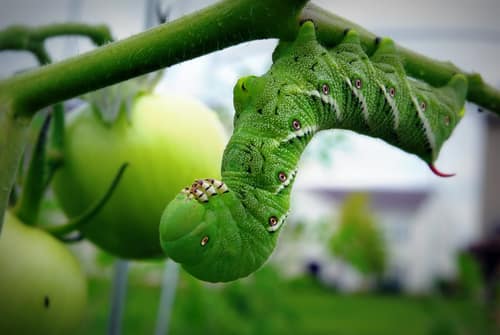
Pollinator "Tobacco Hornworm Caterpillar" by cbede is licensed under CC BY 2.0. To view a copy of this license, visit https://creativecommons.org/licenses/by/2.0/. · cc-by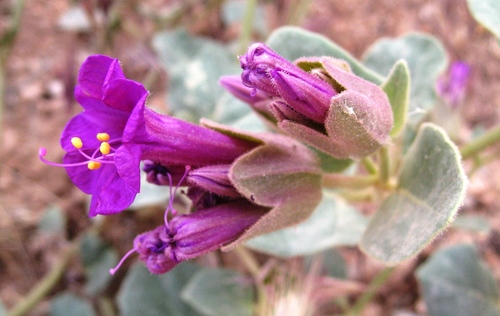
Close Relative (c) J Brew, some rights reserved (CC BY-SA), uploaded by J Brew · cc-by-sa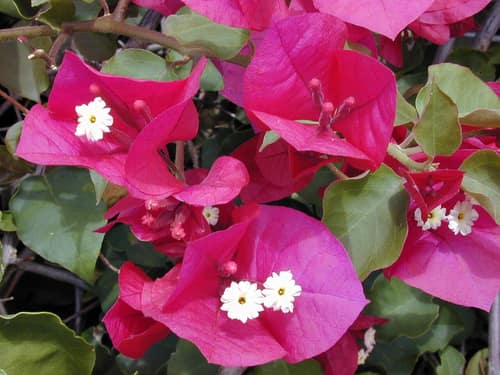
Close Relative Forest & Kim Starr / CC BY 3.0 · cc-by
Help improve the field guideSomething wrong?
Checking your Fauna account…Report a name, category, or profile issue for review.