
Flower · GBIF taxon 3085418
Chinese-pink
Dianthus chinensisAlso known as Rainbow Pink, China Pink, Chinese Dianthus
Chinese-pinks thrive across dry grasslands and stony mountain slopes, producing distinctive serrated petals that range from deep crimson and lilac to pale white. Slender, blue-green stems grow in dense tufts, supporting blossoms that rely heavily on butterflies and long-tongued bees for pollination. Cultivated for centuries across East Asia, they readily tolerate harsh winter frosts and thin, alkaline soils.
FloweringHerbaceousPerennial
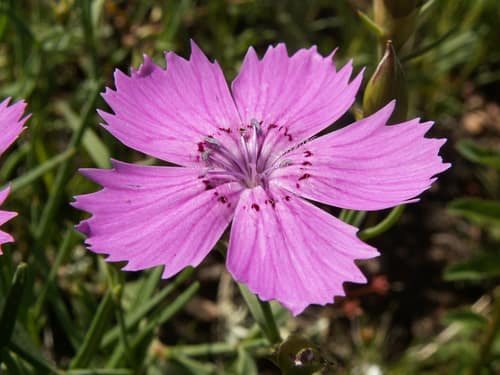
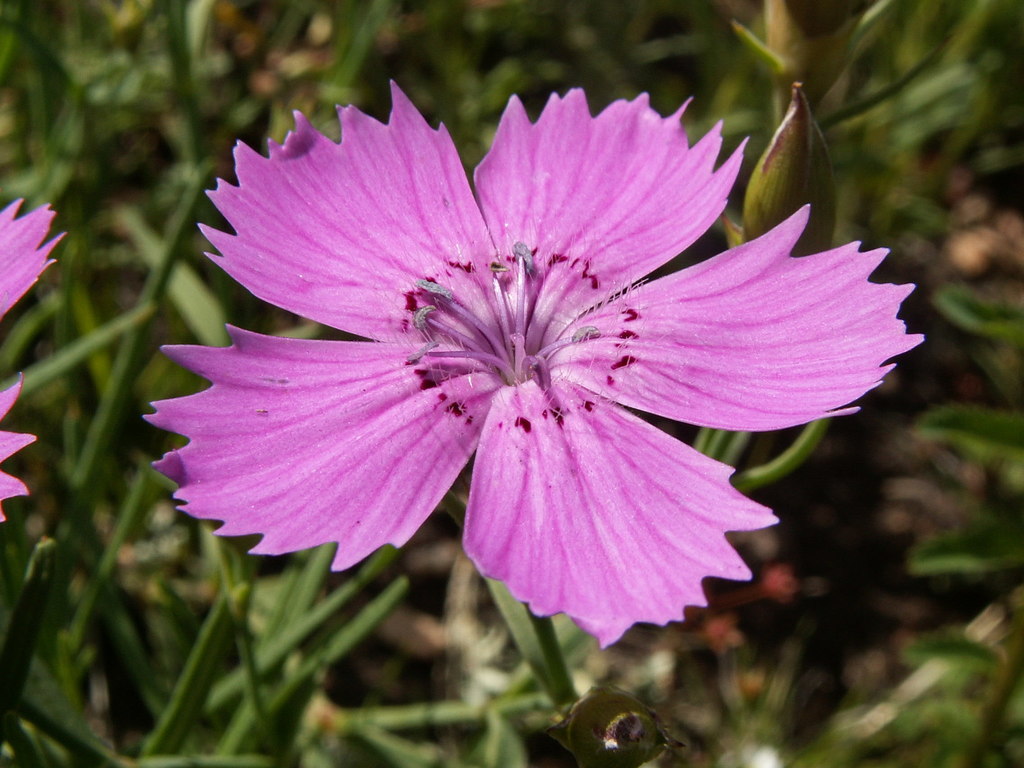
—observations
—countries
—peak records
Not EvaluatedConservation statusIUCN Red List categoriesLCNTVUENCREWEXNot Evaluated — not placed on the risk ladderRed List categories, explained →
Diet & prey
- Autotrophic (photosynthesis)
Predators
- European Rabbit
- Garden Slug
- Aphids
ThreatsAgricultural expansion, intensive livestock grazing, and invasive weed competition
HabitatsSteppe grasslands, open mountain slopes, forest margins, and sandy meadows
Life span2–4 years (short-lived perennial)
Size / weightNot available
Classification
- OrderCaryophyllales
- FamilyCaryophyllaceae
- GenusDianthus
- SpeciesDianthus chinensis
Range data is not available yet.
Interaction riskHigh
- Low
- Moderate
- High
- Very high
- Why interaction risk is high
- Mildly toxic to dogs and cats if ingested; safe to observe and handle normally.
- Why it is dangerous
- Contains triterpenoid saponins that can cause mild gastrointestinal irritation, vomiting, and diarrhea in cats and dogs.
- How to recognize a risky encounter
- Look for narrow, lance-shaped leaves paired along swollen stem nodes below frilled, patterned five-petaled blossoms.
- What to do
- Keep garden plants and floral arrangements away from curious pets, but touch freely when cultivating.
Responsible observation
- Garden Care: Deadhead spent flowers regularly to stimulate continuous flowering through summer.
- Pet Safety: Keep potted specimens out of reach of household pets that graze on foliage.
- Wild Observation: Search sunny, well-drained gravelly banks and meadows during peak summer bloom.
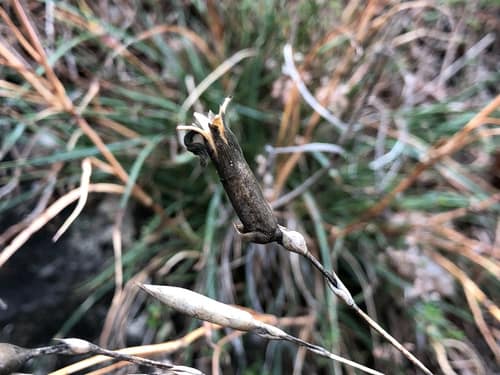
Same Genus (c) Jason Grant, some rights reserved (CC BY), uploaded by Jason Grant · cc-by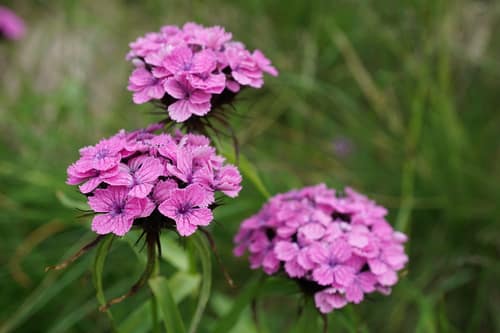
Same Genus (c) xulescu_g, some rights reserved (CC BY-SA) · cc-by-sa Image unavailable
Same Genus 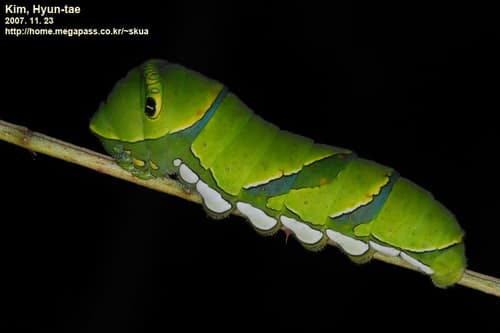
Pollinator (c) Kim, Hyun-tae, some rights reserved (CC BY), uploaded by Kim, Hyun-tae · cc-by
Help improve the field guideSomething wrong?
Checking your Fauna account…Report a name, category, or profile issue for review.