
Flower
Deptford Pink
Dianthus armeriaAlso known as Grass Pink
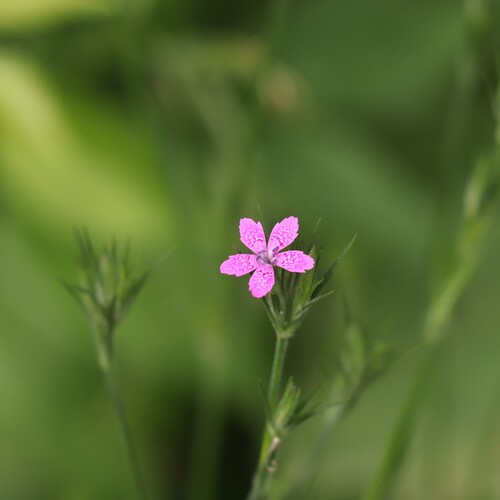
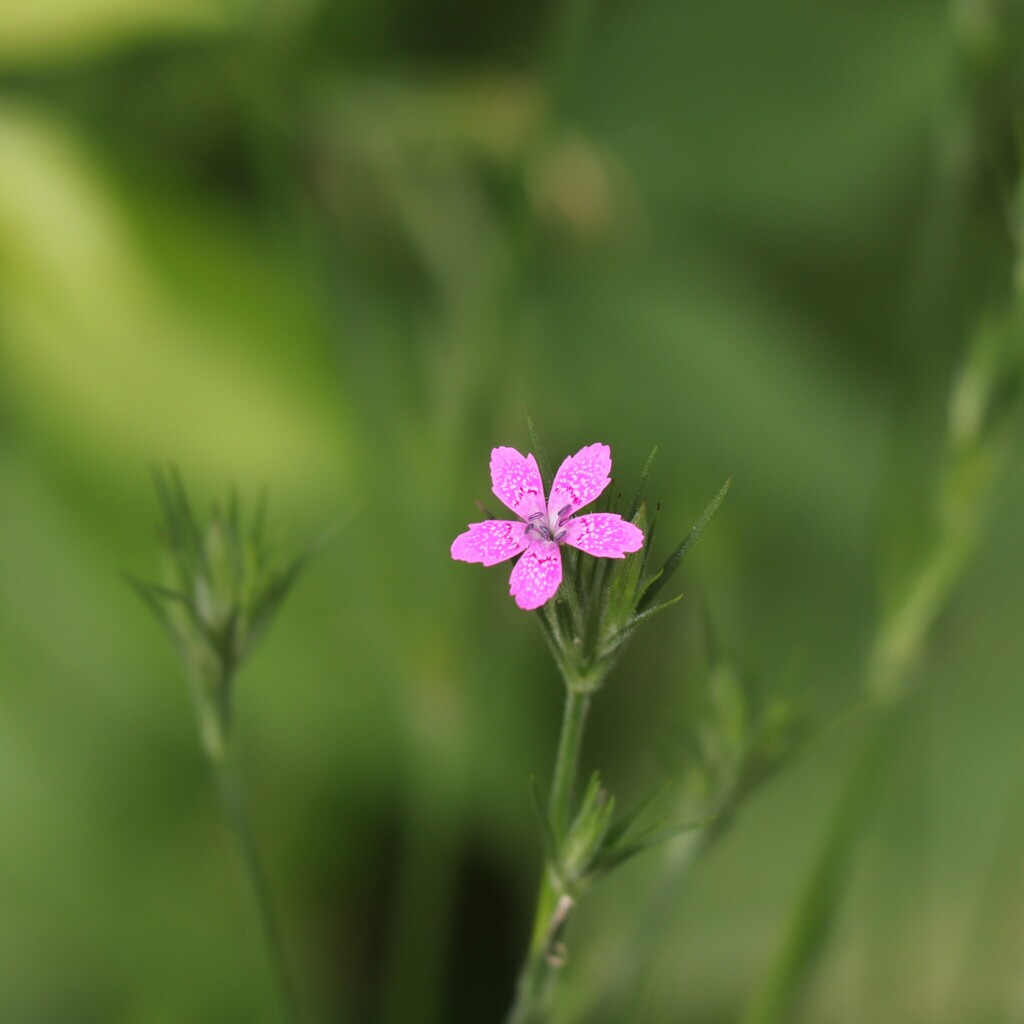
Deptford pink produces small clusters of bright magenta flowers speckled with tiny white dots, held atop slender, erect stems coated in soft downy hairs. Each individual flower blooms for just a single day, opening in early morning sunlight to attract hoverflies, sweat bees, and small butterflies. Though declining in parts of its native European range due to modern agricultural practices, it readily establishes in sunny, dry, disturbed soils like field margins and gravelly roadsides.
WildflowerSun-LovingPink Petals
—observations
—countries
—peak records
Least ConcernConservation statusIUCN Red List categoriesLCNTVUENCREWEXLeast ConcernRed List categories, explained →
Diet & preyAutotrophic (Photosynthesis)
Predators
- Deer
- Rabbits
- Caterpillars
ThreatsHabitat loss, overgrowth by dense brush, agricultural intensification
HabitatsDry grasslands, field edges, roadsides, disturbed ground
Life span1–2 years
Classification
- OrderCaryophyllales
- FamilyCaryophyllaceae
- GenusDianthus
- SpeciesDianthus armeria
Range data is not available yet.
Interaction riskHigh
- Low
- Moderate
- High
- Very high
- Why interaction risk is high
- Non-toxic to people but can upset dogs' and cats' stomachs if eaten; keep away from pets.
Responsible observation
- Best Viewing Time: Spot blooming clusters during sunny summer mornings when individual flowers open fully.
- Habitat Search: Look along gravel paths, dry field edges, and sunny embankment slopes.
- Identification Key: Check the petals for distinct white dots and hair-covered flower bracts.
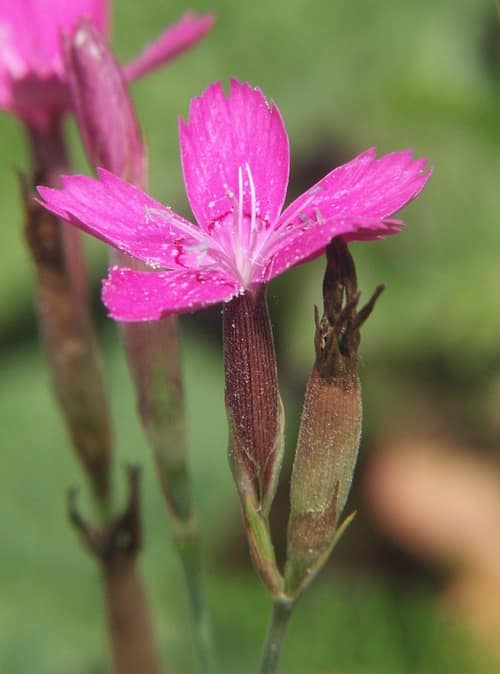
Close Relative (c) Bernd Haynold, some rights reserved (CC BY-SA) · cc-by-sa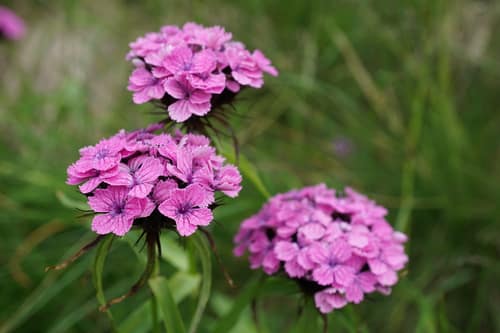
Close Relative (c) xulescu_g, some rights reserved (CC BY-SA) · cc-by-sa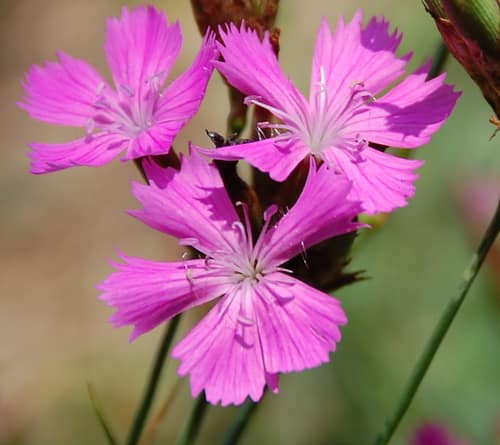
Close Relative (c) Charles Stirton, some rights reserved (CC BY-SA), uploaded by Charles Stirton · cc-by-sa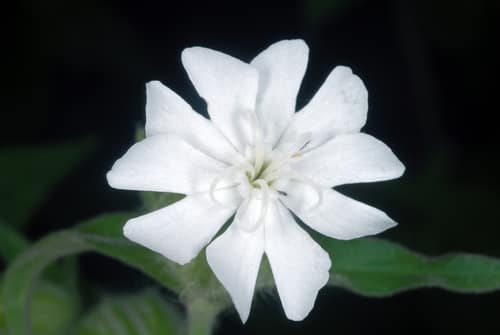
Family Member (c) Douglas Goldman, some rights reserved (CC BY-SA), uploaded by Douglas Goldman · cc-by-sa
Help improve the field guideSomething wrong?
Checking your Fauna account…Report a name, category, or profile issue for review.