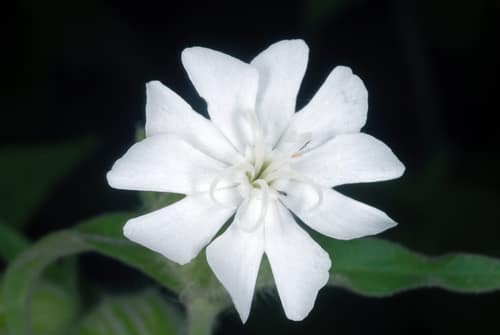
Also known as Bouncing-Bet, Crow Soap, Soapweed, Fuller's Herb
Soapwort spreads across sunny roadsides and gravelly riverbanks via vigorous rhizomes, forming dense colonies crowned with sweetly fragrant, pale pink blossoms. The plant owes its legacy to high concentrations of saponins, compounds that lather into a gentle cleansing foam when leaves or roots are bruised and agitated in water. While quiet by day, the blooms open fully and release their richest perfume at dusk to summon nocturnal hawkmoths.
ThreatsHerbicide application, intensive mowing regimes, and urban development
HabitatsRoadsides, railway banks, riverbanks, waste ground, and old pastures
Life spanPerennial (rhizomatous colonies persist indefinitely)
Classification
OrderCaryophyllales
FamilyCaryophyllaceae
GenusSaponaria
SpeciesSaponaria officinalis
Range & activity
Range data is not available yet.
Safe observation
Interaction riskHigh
Low
Moderate
High
Very high
Why interaction risk is high
Contains saponins toxic to humans and pets if ingested; observe flowers safely from a distance.
Why it is dangerous
All parts contain triterpenoid saponins that destroy red blood cells and irritate digestive linings, causing intense nausea, vomiting, and diarrhea if eaten by humans or pets.
How to recognize a risky encounter
Recognize the smooth, ribbed flowering stems topped by pale pink or white five-lobed blossoms with a long, tubular green calyx.
What to do
Avoid eating any plant parts and wash hands promptly after handling broken stems or crushing foliage.
Responsible observation
Dusk Observation: Visit stands at twilight to experience the sweet evening floral scent and watch hawkmoths.
Rhizome Identification: Check for smooth, jointed stems and opposite leaves with three distinct parallel veins.

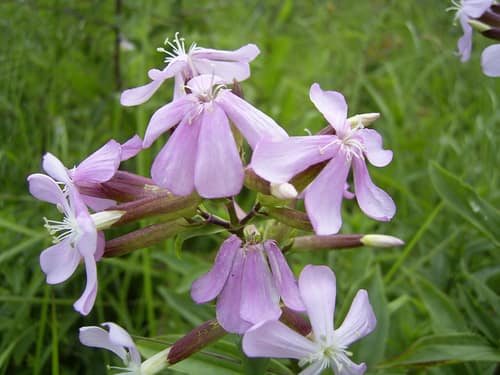

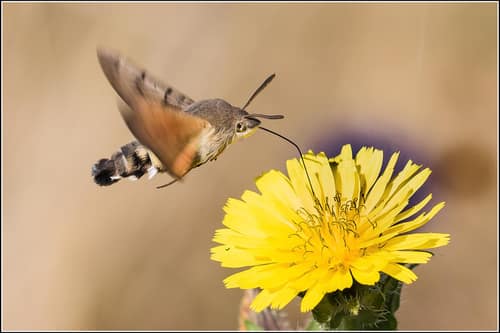
 Image unavailable