
Plant · GBIF taxon 3083920
Pitseed Goosefoot
Chenopodium berlandieriAlso known as Huauzontle, Berlandier's Goosefoot, Pitseed Lambsquarters
Pitseed goosefoot is an upright annual herb recognized by its variable goosefoot-shaped leaves and a fine, mealy coating on fresh growth. Indigenous peoples of eastern North America domesticated forms of this plant thousands of years ago as a grain and vegetable crop. Today, wild populations thrive in sunny, disturbed soils across the continent, while cultivated varieties like huauzontle remain prominent in traditional agriculture.
AnnualHerbaceousNative
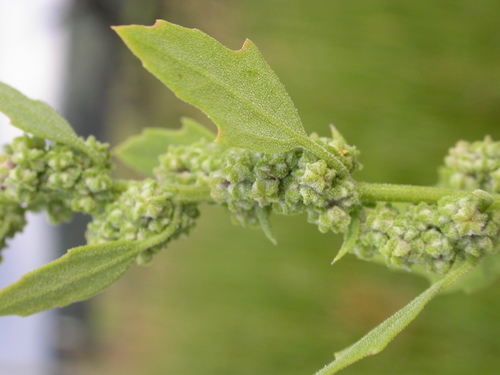
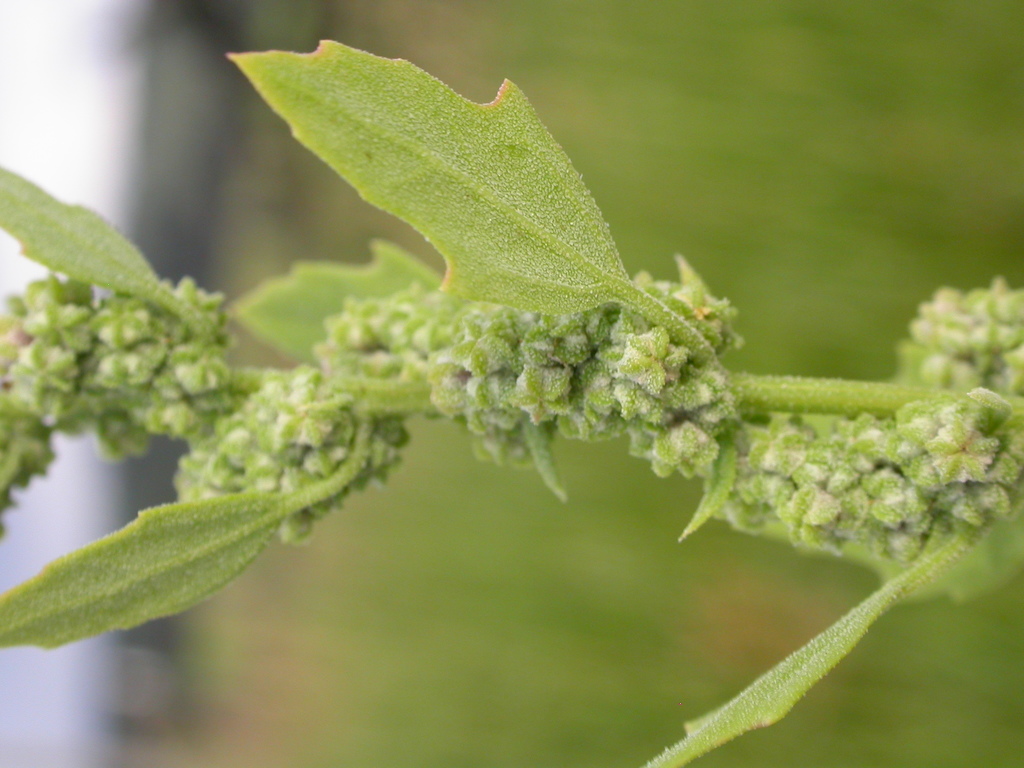
—observations
—countries
—peak records
Not EvaluatedConservation statusIUCN Red List categoriesLCNTVUENCREWEXNot Evaluated — not placed on the risk ladderRed List categories, explained →
Diet & prey
- Autotrophic (Photosynthetic)
Predators
- Caterpillars
- Plant bugs
- Granivorous birds
ThreatsHerbicide application, intensive land cultivation
HabitatsDisturbed ground, roadsides, agricultural fields, riverbanks
Life span1 year (Annual)
Size / weightNot available
Classification
- FamilyAmaranthaceae
- SpeciesChenopodium berlandieri
Range data is not available yet.
Interaction riskLow
- Low
- Moderate
- High
- Very high
- Why interaction risk is low
- Safe to observe at a normal distance.
Responsible observation
- Leaf Inspection: Look for a powdery white mealy coating on young leaves and stems.
- Habitat Spotting: Search in disturbed soils, cultivated fields, and sunny roadsides.
- Seed Identification: Examine mature seedheads in autumn to see tiny pitted black seeds.
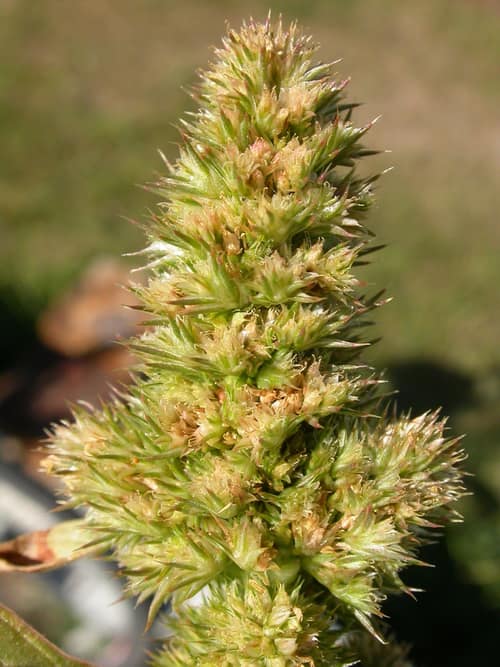
Competitor (c) Matt Lavin, some rights reserved (CC BY-SA) · cc-by-sa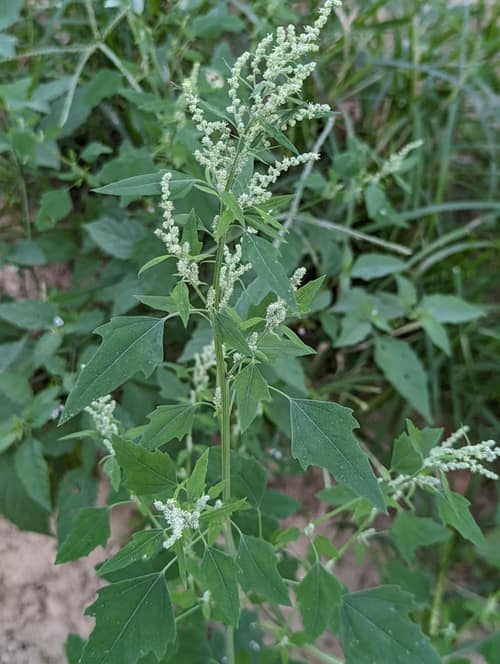
Close Relative no rights reserved, uploaded by Kristi Zoebelein · cc0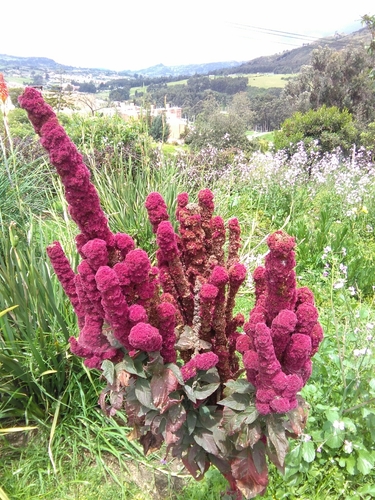
Cultivated Relative (c) GERMAN LEONEL SARMIENTO CRUZ, some rights reserved (CC BY), uploaded by GERMAN LEONEL SARMIENTO CRUZ · cc-by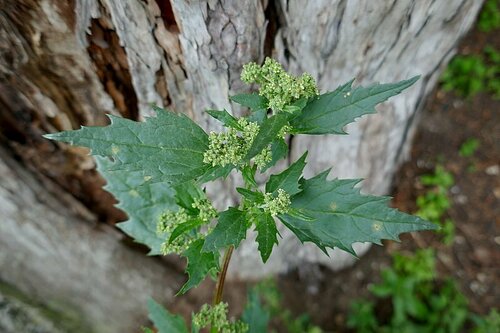
Close Relative no rights reserved · cc0
Help improve the field guideSomething wrong?
Checking your Fauna account…Report a name, category, or profile issue for review.