
Plant · GBIF taxon 8149099
Nettle-leaved Goosefoot
Chenopodiastrum muraleAlso known as Australian-spinach, Salt-green, Sowbane, Nettleleaf Goosefoot
Nettle-leaved goosefoot thrives in heavily disturbed ground, colonizing urban sidewalk cracks, field margins, and roadside ditches with vigorous spring and summer growth. Its triangular, sharply toothed foliage mimics the shape of stinging nettle leaves, though it completely lacks urticating hairs. Profuse clusters of tiny green flowers form dense axillary panicles, producing thousands of dark, lens-shaped seeds that remain viable in the soil seed bank for years.
AnnualHerbaceousWeed
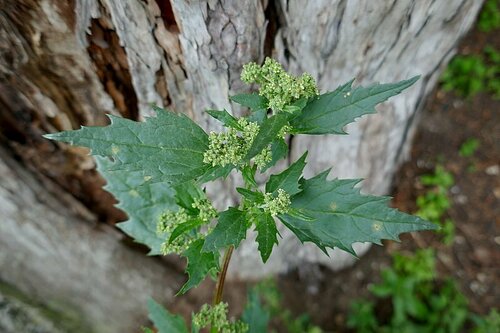
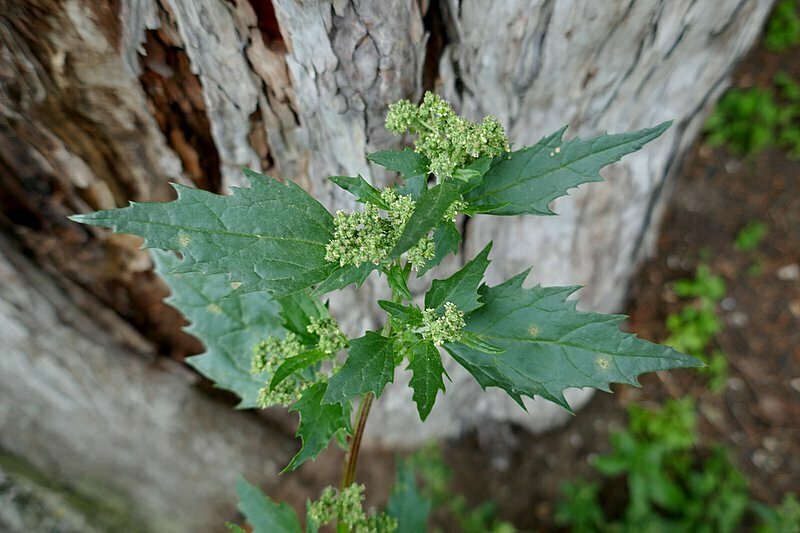
Licensed referenceno rights reserved · cc0
—observations
—countries
—peak records
Least ConcernConservation statusIUCN Red List categoriesLCNTVUENCREWEXLeast ConcernRed List categories, explained →
Diet & prey
- Photosynthetic autotroph
Predators
- Flea beetles
- Aphids
- Seed-eating birds
ThreatsHerbicides, mechanized tilling, and competitive weed suppression
HabitatsDisturbed soil, roadsides, cultivated fields, urban waste ground, and coastal flats
Life spanAnnual (3–8 months)
Size / weightNot available
Classification
- OrderCaryophyllales
- FamilyAmaranthaceae
- GenusChenopodiastrum
- SpeciesChenopodiastrum murale
Range data is not available yet.
Interaction riskHigh
- Low
- Moderate
- High
- Very high
- Why interaction risk is high
- Safe to observe at a normal distance.
Responsible observation
- Foliage check: Rub the leaf surface to confirm the lack of stinging nettle hairs despite the similar outline.
- Habitat observation: Scan trampled field corners and garden edges where dry, nutrient-rich soil supports dense colonies.
- Seed identification: Examine mature seed clusters in late summer to spot the tiny, dark, keeled fruits.
 Image unavailable
Close Relative 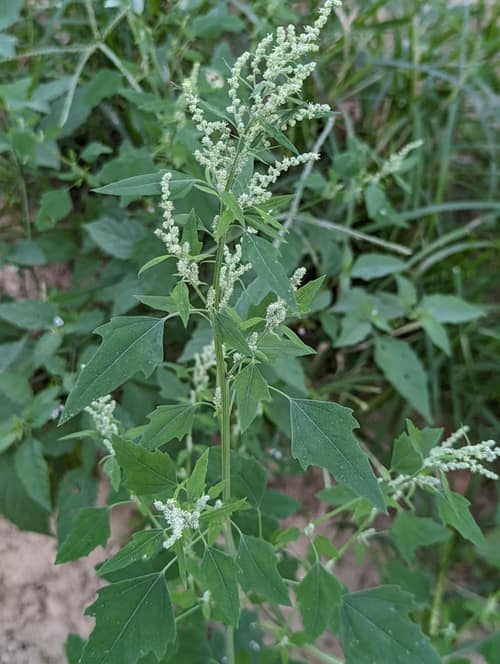
Same Family no rights reserved, uploaded by Kristi Zoebelein · cc0Same Family 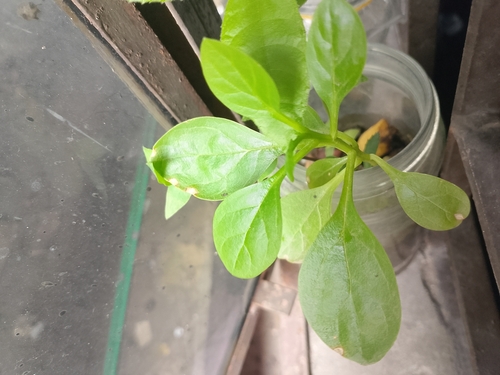
Same Family no rights reserved · cc0
Help improve the field guideSomething wrong?
Checking your Fauna account…Report a name, category, or profile issue for review.