Also known as Beach Barringtonia, Sea Poison Tree, Box Fruit, Putat
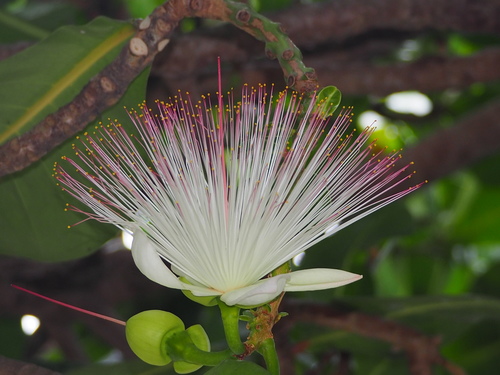
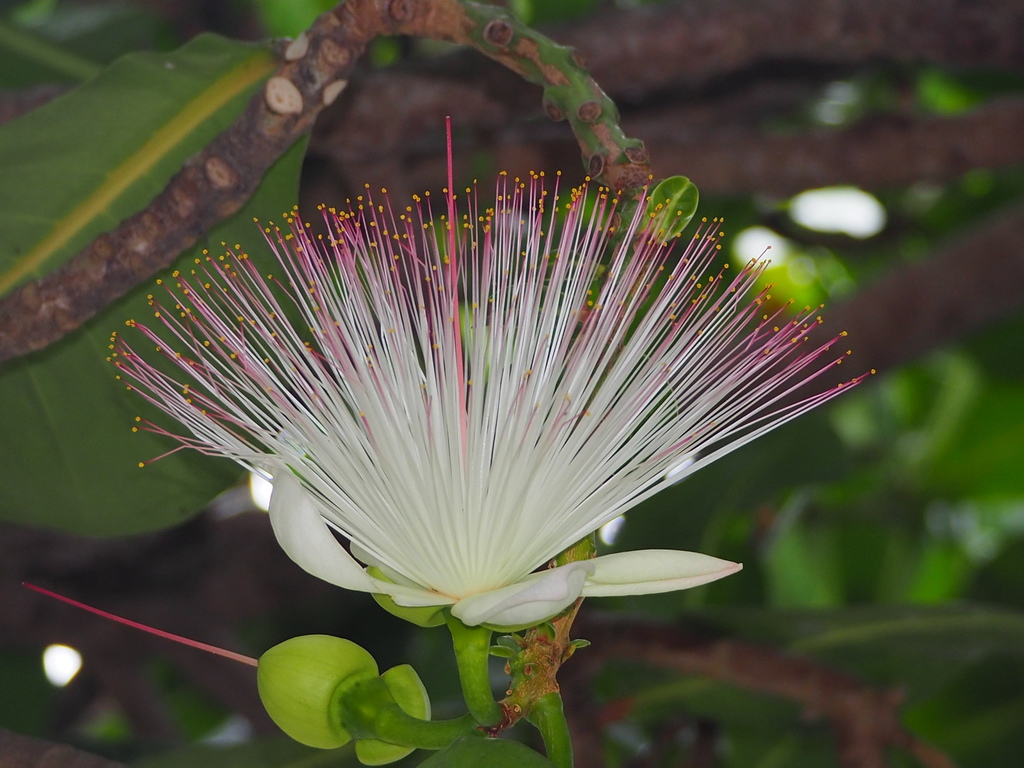
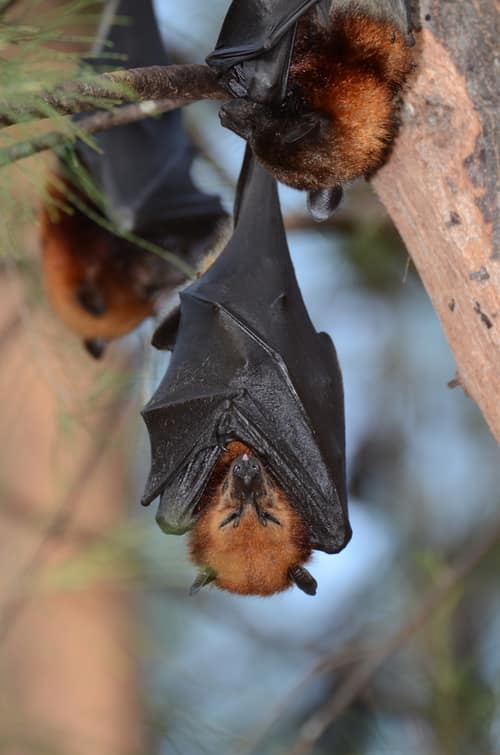
Thriving on sandy shores and coastal coral terraces, this coastal tree produces massive, nocturnal flowers crowned with hundreds of showy, pink-tipped white stamens. The blossoms open at dusk, attracting nectar-feeding bats and large moths, before dropping carpeting the sand by mid-morning. Its fibrous, four-sided fruits float buoyant in ocean currents for years, dispersing across vast stretches of the Indo-Pacific.
ThreatsCoastal development, shoreline erosion, and severe tropical storms
HabitatsSandy beaches, coastal scrub, rocky shores, and mangrove margins
Life span50–100 years
Classification
OrderEricales
FamilyLecythidaceae
GenusBarringtonia
SpeciesBarringtonia asiatica
Range & activity
Range data is not available yet.
Safe observation
Interaction riskHigh
Low
Moderate
High
Very high
Why interaction risk is high
Seeds contain potent saponins; never ingest any part of the fruit or plant.
Why it is dangerous
Seeds and bark contain high concentrations of hydrocyanic acid and triterpene saponins, which disrupt cell membranes and cause severe vomiting, cramping, and cardiac complications.
How to recognize a risky encounter
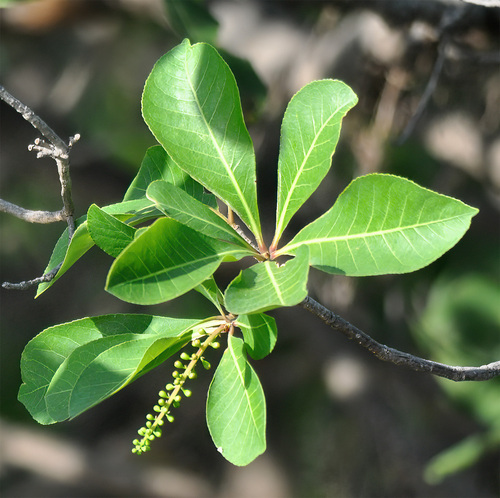
Look for glossy, leathery obovate leaves clustered at branch tips and lantern-like, four-sided pyramidal fruits.
What to do
Do not chew, puncture, or consume any part of the fruit or seeds; admire the foliage and flowers without picking.
Responsible observation
Night Viewing: Visit trees just after dusk to see fresh blossoms fully open with visiting pollinators.
Fruit Identification: Look along the high-tide drift line for distinctive four-angled, box-shaped fibrous husks.
Safe Distance: Refrain from handling crushed seeds or scraping inner fruit tissues without protective gloves.