
Plant
Gray Dogwood
Cornus racemosaAlso known as Northern Swamp Dogwood, Panicle Dogwood, Gray-stemmed Dogwood
Gray dogwood forms dense, thicket-forming shrubs across eastern North America, spreading vigorously via underground rhizomes. In spring, creamy white clusters of small flowers bloom at the branch tips, eventually giving way to white berries held on striking crimson stalks. These persistent red stalks remain long into winter after birds consume the fruits, providing color and texture in snow-covered landscapes.
Native ShrubDeciduousWildlife Host
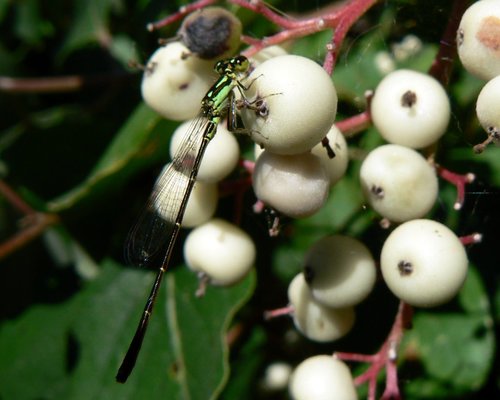
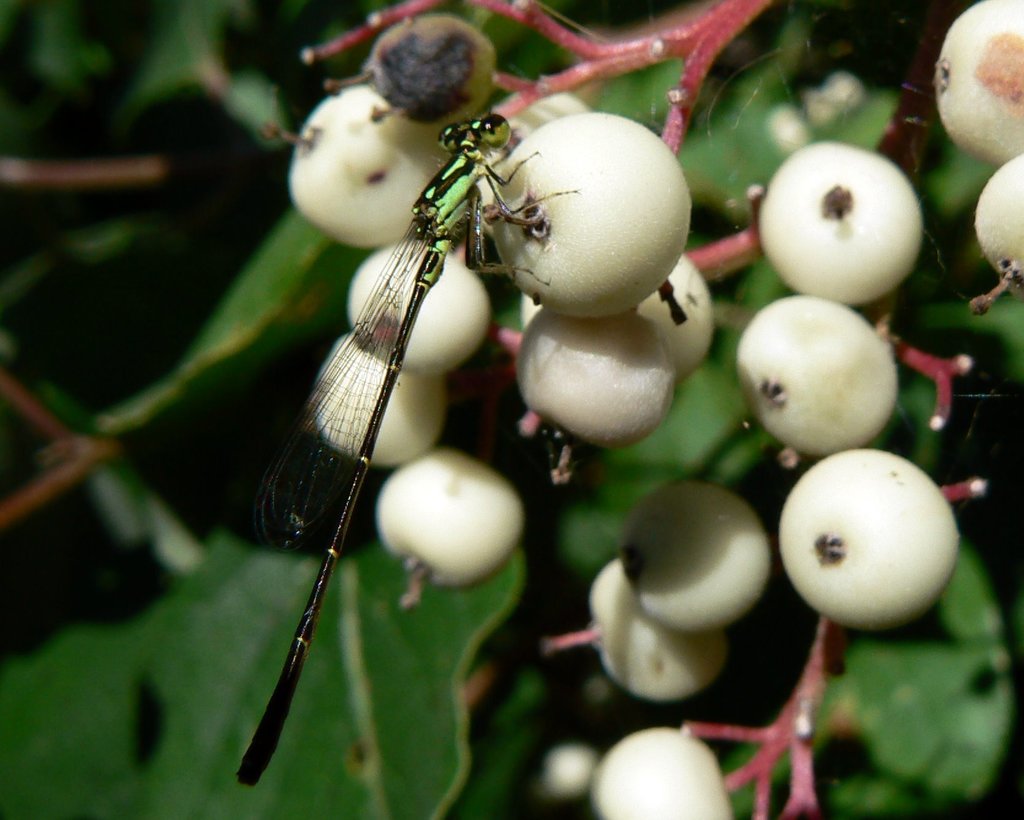
—observations
—countries
—peak records
Least ConcernConservation statusIUCN Red List categoriesLCNTVUENCREWEXLeast ConcernRed List categories, explained →
Diet & preyAutotrophic (Photosynthetic)
Predators
- White-tailed Deer
- Eastern Cottontail
ThreatsHabitat loss, invasive plant competition
HabitatsWet meadows, thickets, stream banks, forest edges, open woodlands
Life span30–50 years
Classification
- OrderCornales
- FamilyCornaceae
- GenusCornus
- SpeciesCornus racemosa
Range data is not available yet.
Interaction riskLow
- Low
- Moderate
- High
- Very high
- Why interaction risk is low
- Wild berries have toxic look-alikes; never eat wild fruits based on app identification alone.
Responsible observation
- Winter Stalks: Look for bright red fruit stems that remain visible after berries drop.
- Gardening Use: Plant along streambanks or rain gardens to stabilize soil and attract birds.
- Bird Spotting: Watch the branches in late summer for migrating songbirds feeding on berries.
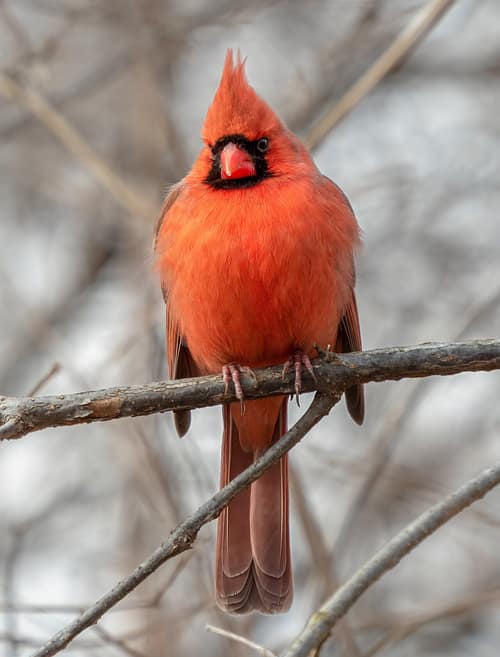
Seed Disperser Rhododendrites / CC BY-SA 4.0 · cc-by-sa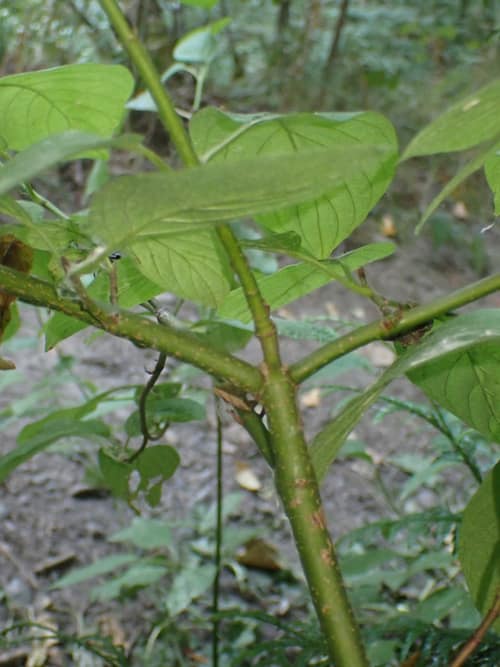
Close Relative (c) giantcicada, some rights reserved (CC BY), uploaded by giantcicada · cc-by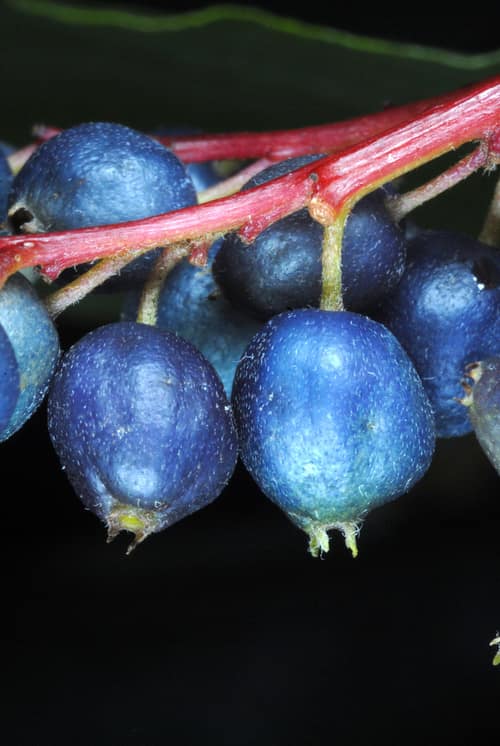
Close Relative (c) Douglas Goldman, some rights reserved (CC BY-SA), uploaded by Douglas Goldman · cc-by-sa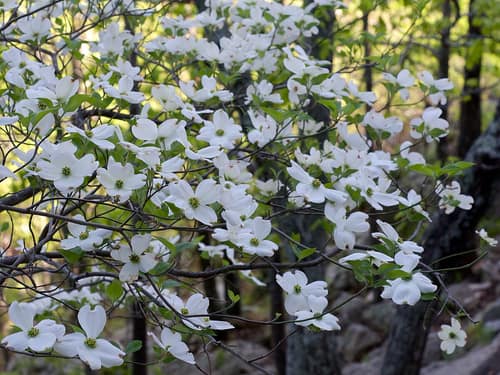
Close Relative Eric Hunt / CC BY-SA 4.0 · cc-by-sa
Help improve the field guideSomething wrong?
Checking your Fauna account…Report a name, category, or profile issue for review.