
Plant · GBIF taxon 3082244
Red Osier Dogwood
Cornus sericeaAlso known as Redtwig Dogwood, Redstem Dogwood, Creek Dogwood, American Dogwood
Red osier dogwood brightens wetland margins and stream banks across North America with its vivid crimson stems that intensify in color during winter. Dense clusters of small white flowers bloom in late spring, producing pale white-to-blue drupes that sustain migratory birds into late autumn. Its spreading, thicket-forming habit makes it a premier species for stabilizing soil along eroding riverbanks.
RiparianDeciduous ShrubWinter Interest
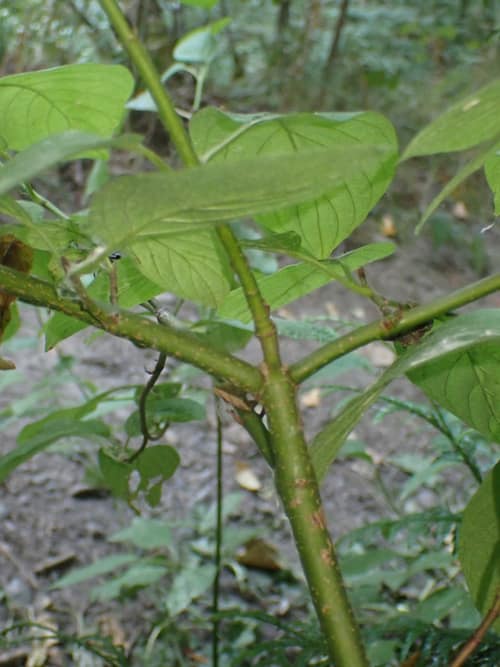
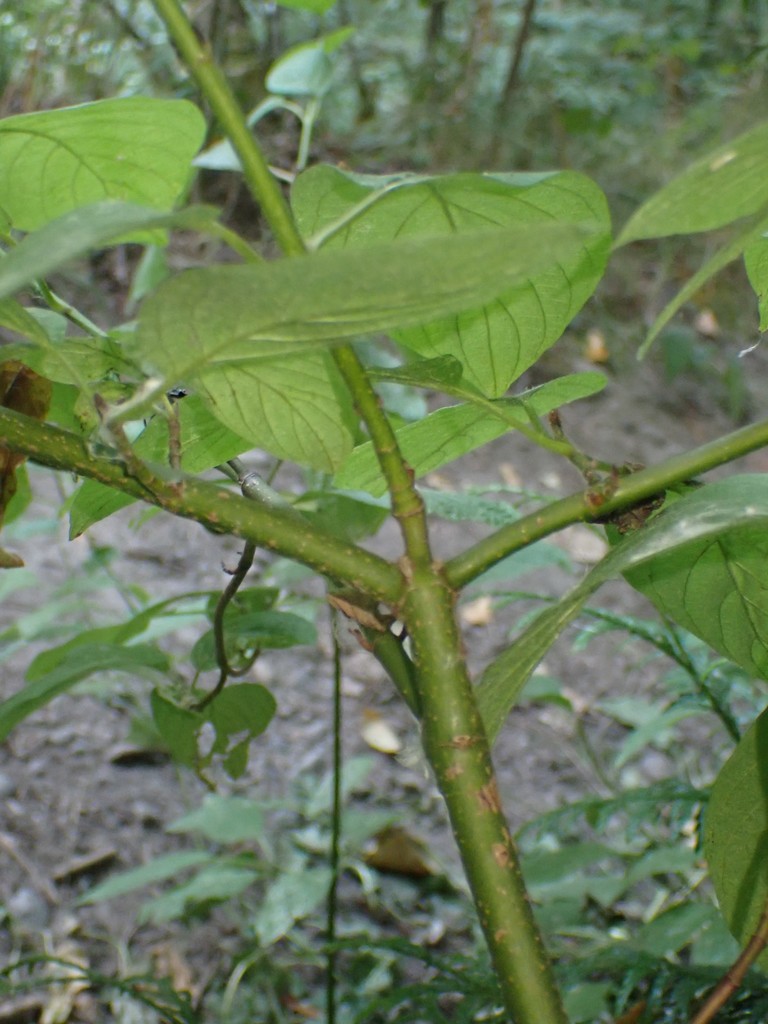 1 / 7
1 / 7—observations
—countries
—peak records
Least ConcernConservation statusIUCN Red List categoriesLCNTVUENCREWEXLeast ConcernRed List categories, explained →
Diet & prey
- Autotrophic (Photosynthesis)
Predators
- White-tailed Deer
- Moose
- American Beaver
ThreatsInvasive species competition, wetland drainage
HabitatsWetlands, stream banks, moist woods, lake shores
Life span20–50 years
Size / weightNot available
Classification
- OrderCornales
- FamilyCornaceae
- GenusCornus
- SpeciesCornus sericea
Range data is not available yet.
Interaction riskLow
- Low
- Moderate
- High
- Very high
- Why interaction risk is low
- Wild berries have toxic look-alikes; never eat based on app identification alone.
Responsible observation
- Spring Pruning: Cut back older stems near the base in early spring to spur vibrant red young growth.
- Soil Moisture: Plant in moist to wet soil in full sun or partial shade for rich bark color.
- Winter Identification: Look for bright red winter stems with opposite branching patterns.
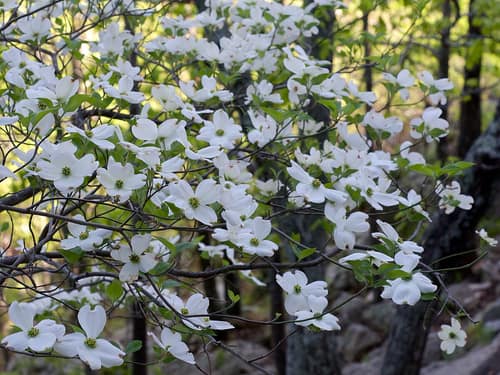
Close Relative Eric Hunt / CC BY-SA 4.0 · cc-by-sa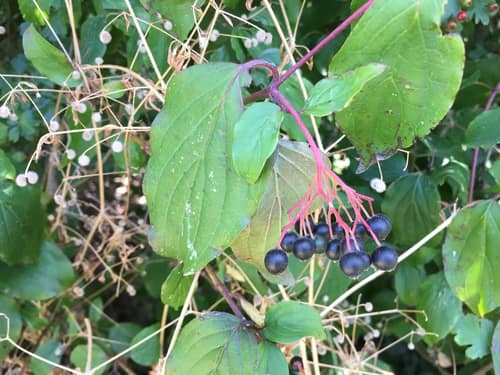
Eurasian Relative (c) Jason Grant, some rights reserved (CC BY), uploaded by Jason Grant · cc-by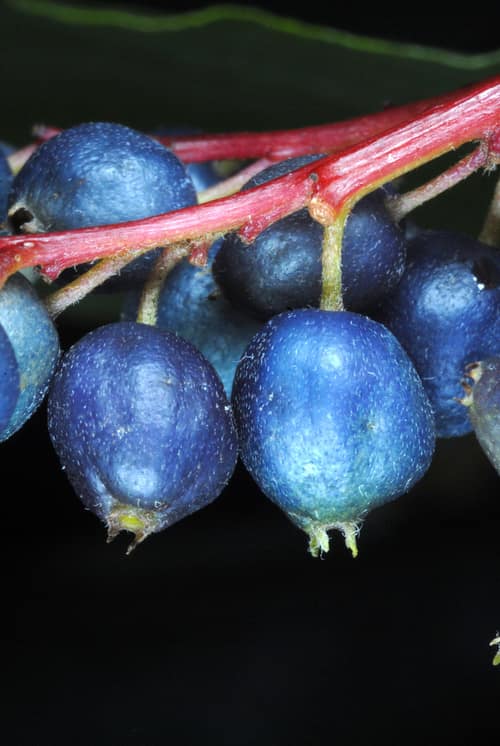
Close Relative (c) Douglas Goldman, some rights reserved (CC BY-SA), uploaded by Douglas Goldman · cc-by-sa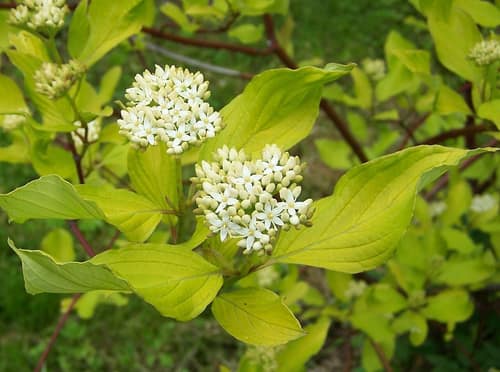
Close Relative Opioła Jerzy (Poland) / CC BY 2.5 · cc-by
Help improve the field guideSomething wrong?
Checking your Fauna account…Report a name, category, or profile issue for review.