
Plant
Tatarian Dogwood
Cornus albaAlso known as Siberian Dogwood, Red-Barked Dogwood, White Dogwood
Tatarian dogwood forms dense, suckering thickets that burst into bright coral-red stems after autumn leaf drop, creating striking winter landscapes across northern Asia. Flat-topped clusters of creamy white flowers bloom in late spring, giving way to pale bluish-white berries that feed autumn songbirds. Highly adaptable to wet soils and cold winters, this resilient shrub plays a vital role in riverbank stabilization.
DeciduousOrnamentalRed Bark
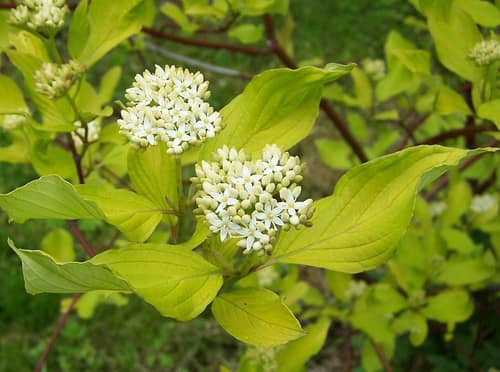
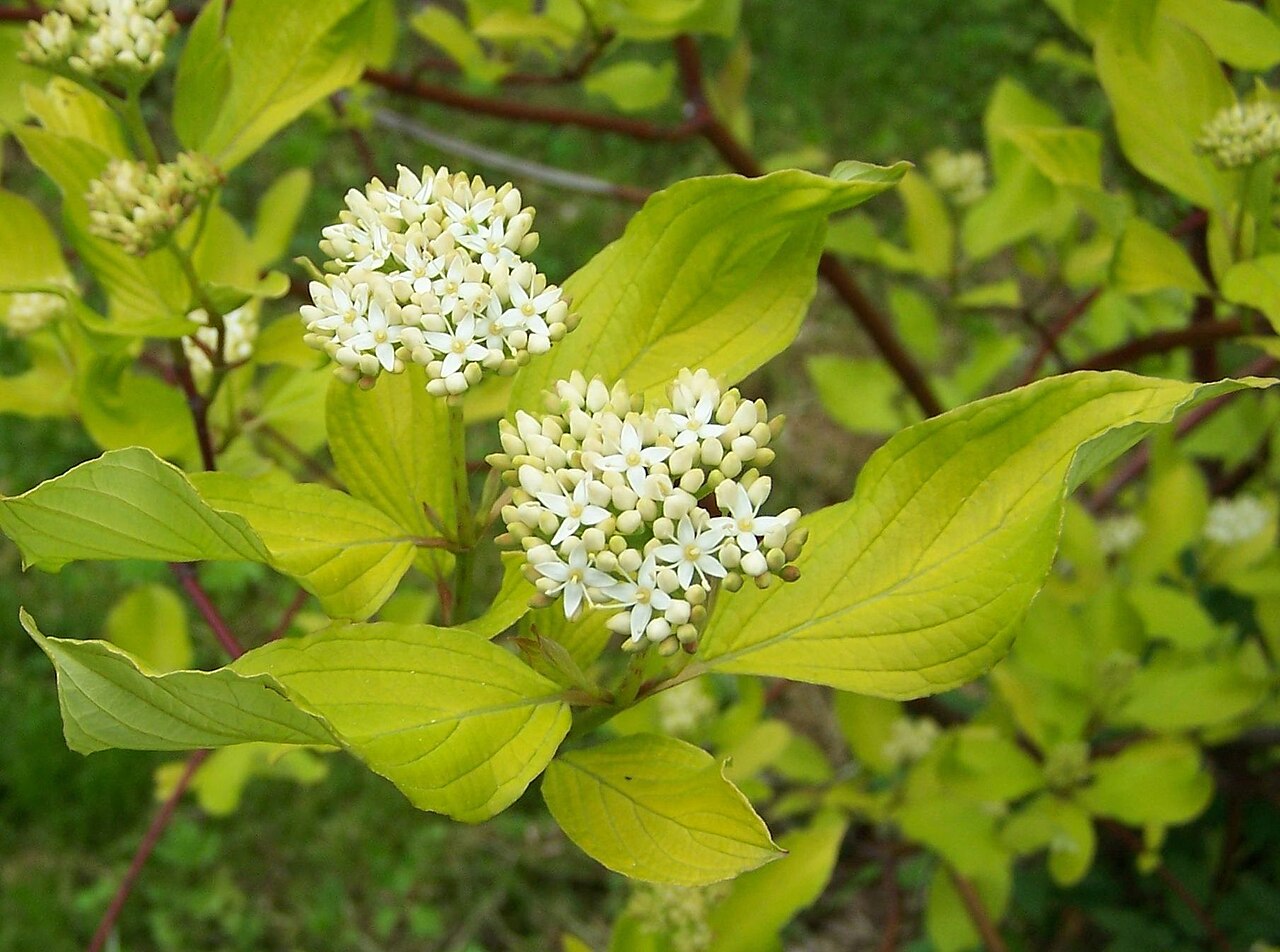
—observations
—countries
—peak records
Not EvaluatedConservation statusIUCN Red List categoriesLCNTVUENCREWEXNot Evaluated — not placed on the risk ladderRed List categories, explained →
Diet & preyAutotrophic (Photosynthetic)
Predators
- White-tailed Deer
- Scale Insects
- Aphids
ThreatsHabitat clearance, severe drought, and scale insect infestations
HabitatsRiverbanks, moist forests, scrublands, and cultivated gardens
Life span20–50 years
Classification
- OrderCornales
- FamilyCornaceae
- GenusCornus
- SpeciesCornus alba
Range data is not available yet.
Interaction riskHigh
- Low
- Moderate
- High
- Very high
- Why interaction risk is high
- Wild berries have toxic look-alikes; never eat based on app identification alone.
Responsible observation
- Pruning for Color: Cut back older stems to ground level in late winter to encourage vivid red new growth.
- Landscape Use: Plant in clusters along borders or damp spots to maximize winter color.
- Wildlife Observation: Watch for songbirds feeding on pale berries during late summer and autumn.
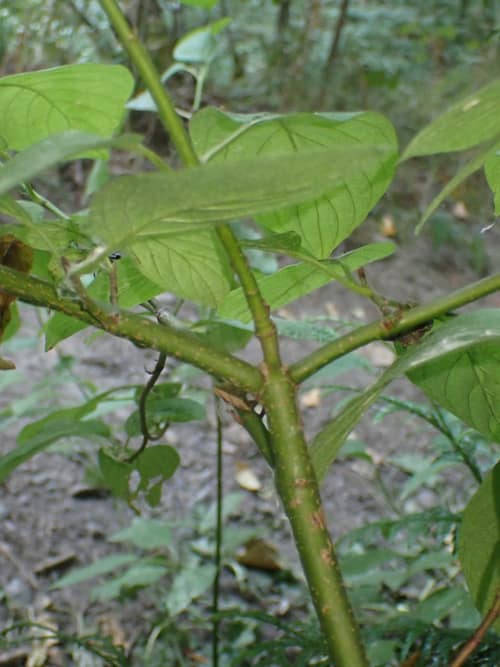
Close Relative (c) giantcicada, some rights reserved (CC BY), uploaded by giantcicada · cc-by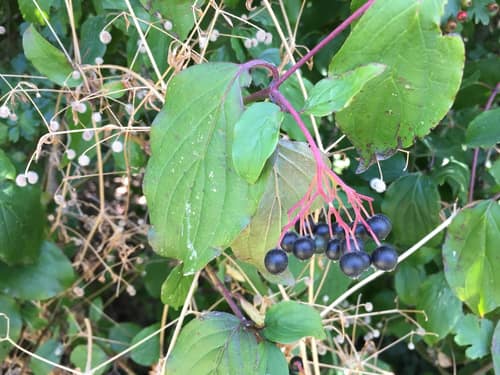
Close Relative (c) Jason Grant, some rights reserved (CC BY), uploaded by Jason Grant · cc-by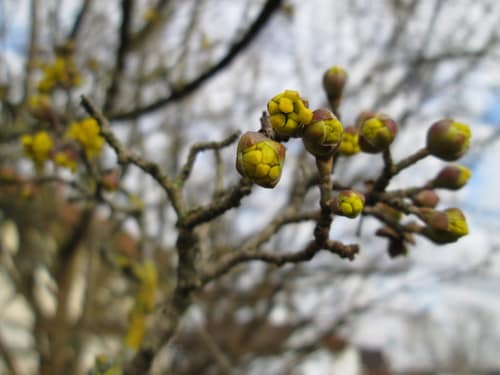
Close Relative (c) Andreas Rockstein, some rights reserved (CC BY-SA) · cc-by-sa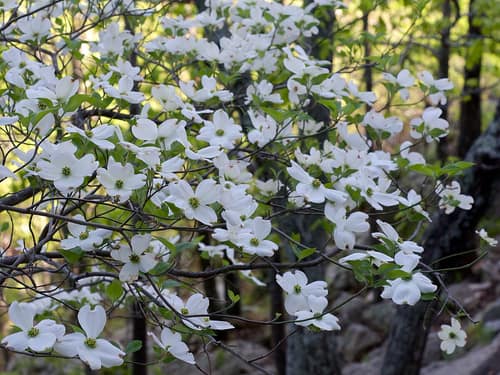
Close Relative Eric Hunt / CC BY-SA 4.0 · cc-by-sa
Help improve the field guideSomething wrong?
Checking your Fauna account…Report a name, category, or profile issue for review.