Also known as Candelabra Tree, Naboom, Giant Euphorbia
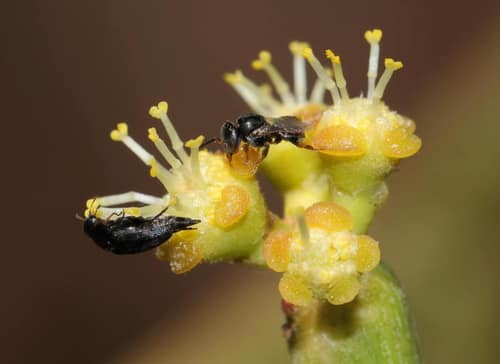
Candelabra-shaped crowns of upright, four- to five-angled succulent branches allow Common Tree Euphorbias to tower above rocky outcrops and dry savannas across southern Africa. Instead of relying on leaves, the ribbed green stems carry out photosynthesis year-round, while paired short spines guard the ridges against most browsers. In autumn and winter, tiny yellow-green flower clusters line the branch edges, drawing swarms of pollinating flies, wasps, and bees before maturing into three-lobed capsules that burst open to fling seeds away from the parent tree.
ThreatsFungal dieback, habitat clearing, and intense wildfires
HabitatsDry savanna, rocky outcrops, bushveld, and woodland margins across southern Africa
Life span50–100 years
Classification
OrderMalpighiales
FamilyEuphorbiaceae
GenusEuphorbia
SpeciesEuphorbia ingens
Range & activity
Range data is not available yet.
Safe observation
Interaction riskHigh
Low
Moderate
High
Very high
Why interaction risk is high
Milky latex causes severe skin blistering, eye damage, and poisoning if ingested; admire without touching or cutting.
Why it is dangerous
The white latex contains caustic diterpene esters that trigger intense skin inflammation, painful blistering, and temporary or permanent blindness on eye contact. Swallowing even small amounts causes severe burning of the mouth and throat, vomiting, and dangerous gastrointestinal poisoning.
How to recognize a risky encounter
Look for a tall, tree-like succulent with a woody grey trunk supporting a dense, rounded crown of upright, four- to five-ribbed green branches lined with short paired spines. Any nick or break in the stem immediately oozes thick white sap.
What to do
Keep a safe distance and never cut, snap, or lean against the branches, especially around children and pets. If latex contacts skin or eyes, flush immediately with copious running water and seek urgent medical care.
Responsible observation
Keep Clear of Sap: Never break stems or prune branches without heavy eye and skin protection, as the milky latex sprays easily.
Watch Wildlife Activity: Check the upper forks for weaver nests and look for bees and flies visiting the yellow-green winter blooms.
Protect Pets: Keep dogs away from fallen stem fragments or sap droplets on the ground.

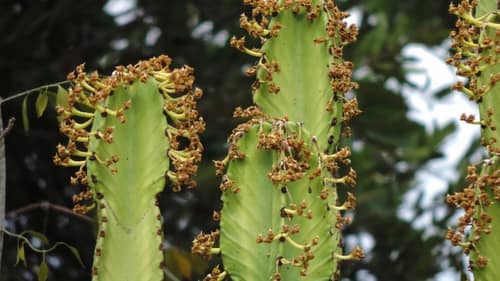
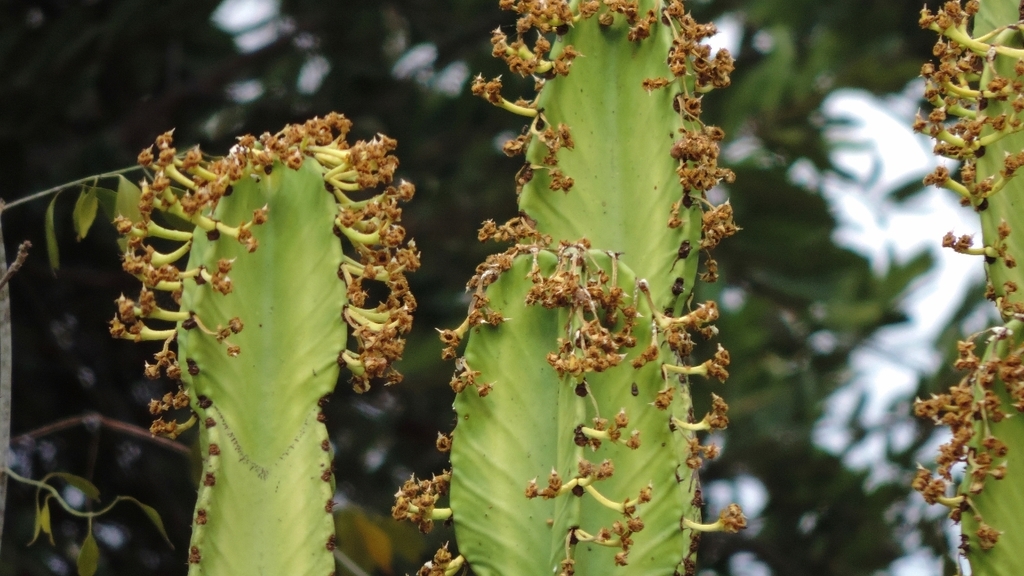
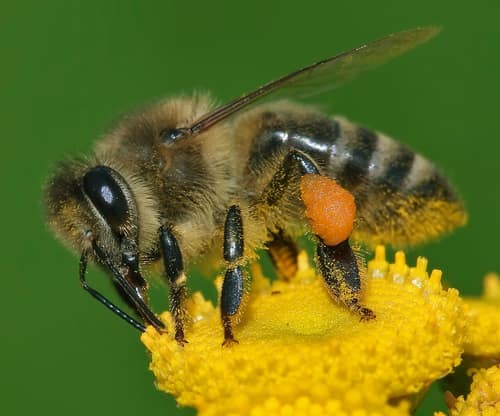
 Image unavailable