
Plant · GBIF taxon 3069353
Fire Stick
Euphorbia tirucalliAlso known as Pencil Cactus, Pencil Tree, Milk Bush, Indian Tree Spurge
Fire Stick grows as an intricately branched succulent shrub or small tree whose smooth, pencil-thin green stems transform into radiant shades of gold, orange, and coral under intense sunlight. Tiny leaves appear briefly at stem tips during active growth but drop quickly, leaving the chlorophyll-rich green stems to carry out nearly all photosynthesis. When damaged, tissues immediately exude a copious, corrosive white latex that deters grazing wildlife and seals moisture inside during prolonged tropical droughts.
SucculentDrought-TolerantToxic Latex
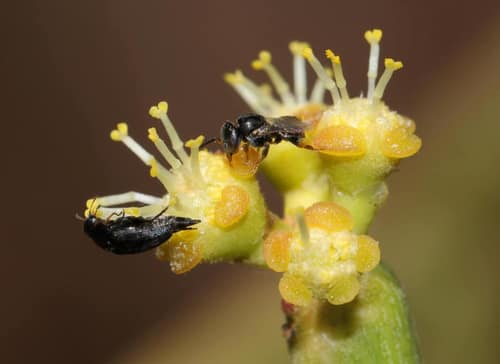
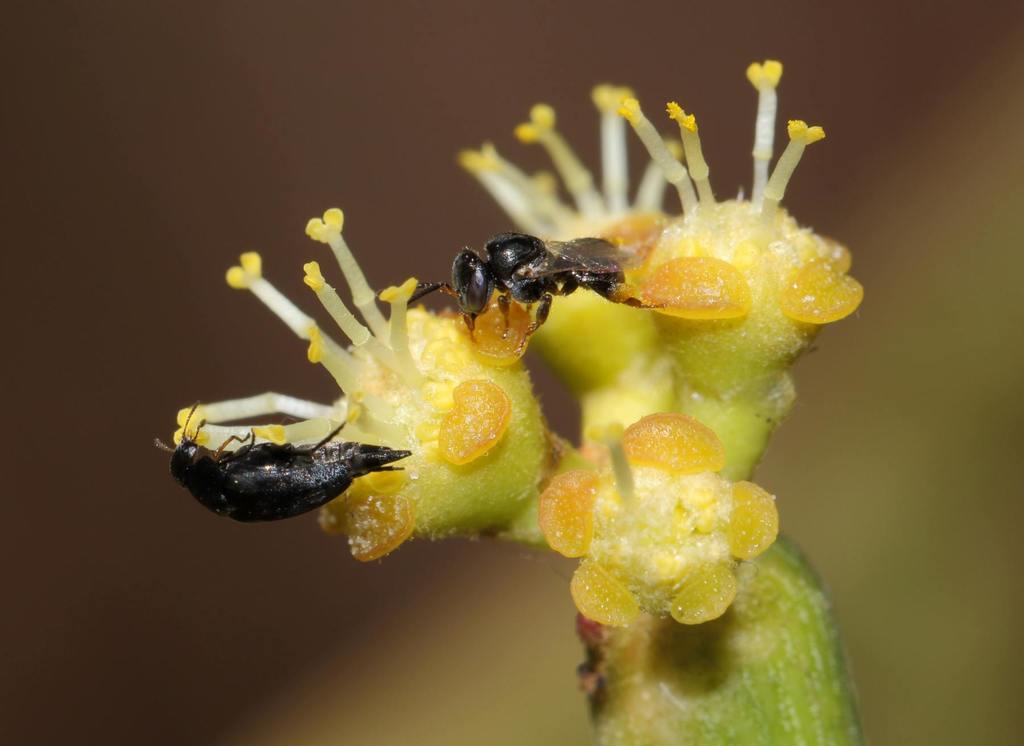 1 / 7
1 / 7—observations
—countries
—peak records
Least ConcernConservation statusIUCN Red List categoriesLCNTVUENCREWEXLeast ConcernRed List categories, explained →
Diet & prey
- Sunlight
- Water
- Soil Nutrients
Predators
- Mealybugs
- Scale Insects
- Black Rhinoceros
ThreatsFreezing temperatures, root rot from waterlogged soils, extensive land clearing
HabitatsSemi-arid scrublands, dry savannas, rocky hillsides, coastal thickets
Life span30–50 years
Size / weightNot available
Classification
- OrderMalpighiales
- FamilyEuphorbiaceae
- GenusEuphorbia
- SpeciesEuphorbia tirucalli
Range data is not available yet.
Interaction riskHigh
- Low
- Moderate
- High
- Very high
- Why interaction risk is high
- Milky latex causes severe chemical burns and temporary blindness; never touch broken stems or rub eyes.
- Why it is dangerous
- Contains diterpene esters that cause blistering chemical burns, intense mucosal inflammation, and temporary blindness upon eye contact.
- How to recognize a risky encounter
- Look for dense clusters of smooth, spineless cylindrical stems that immediately bleed thick white latex when cut.
- What to do
- Wear impermeable gloves and eye protection when pruning, and immediately wash any exposed skin with cold water.
Responsible observation
- Protective Gear: Always wear thick gloves and eye protection when pruning or handling damaged stems.
- Pet Safety: Position landscape and potted specimens well out of reach of domestic dogs and cats.
- Sunlight Placement: Provide unshaded, full-sun exposure to bring out vibrant fiery red and orange colors.
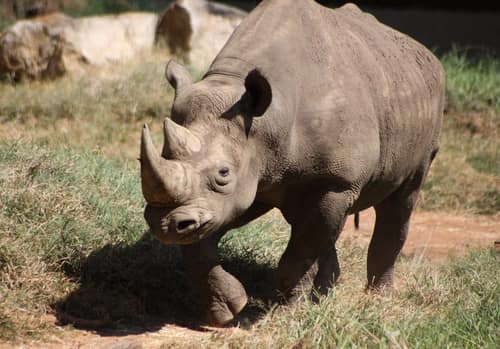
Herbivore Derek Keats from Johannesburg, South Africa / CC BY 2.0 · cc-by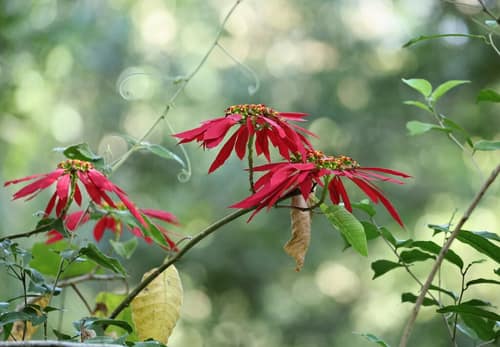
Close Relative (c) nmoorhatch, some rights reserved (CC BY), uploaded by nmoorhatch · cc-by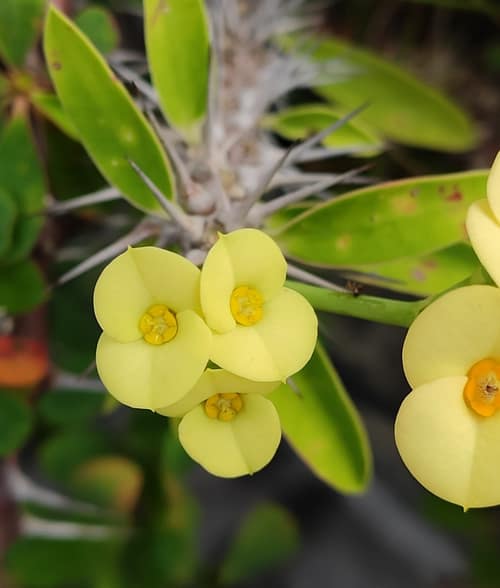
Close Relative (c) Letícia Dias Martins, some rights reserved (CC BY), uploaded by Letícia Dias Martins · cc-by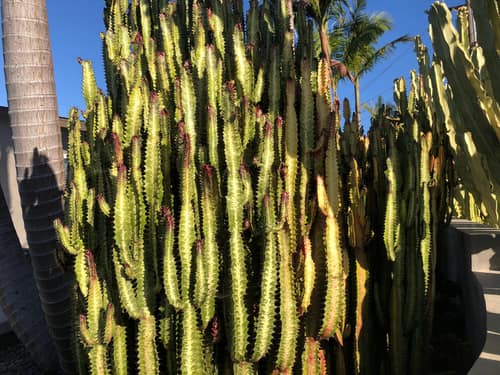
Close Relative no rights reserved · cc0
Help improve the field guideSomething wrong?
Checking your Fauna account…Report a name, category, or profile issue for review.