
Plant
Turkey Mullein
Croton setigerusAlso known as Dove Weed, Fish Locoweed, Fish Poison Weed
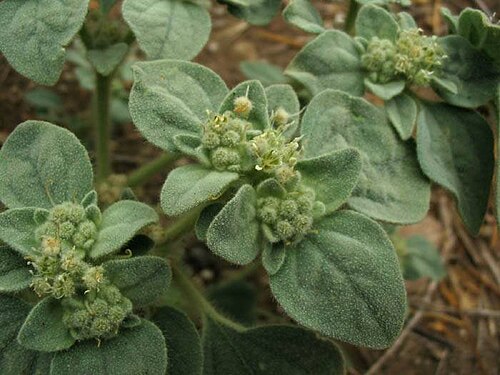
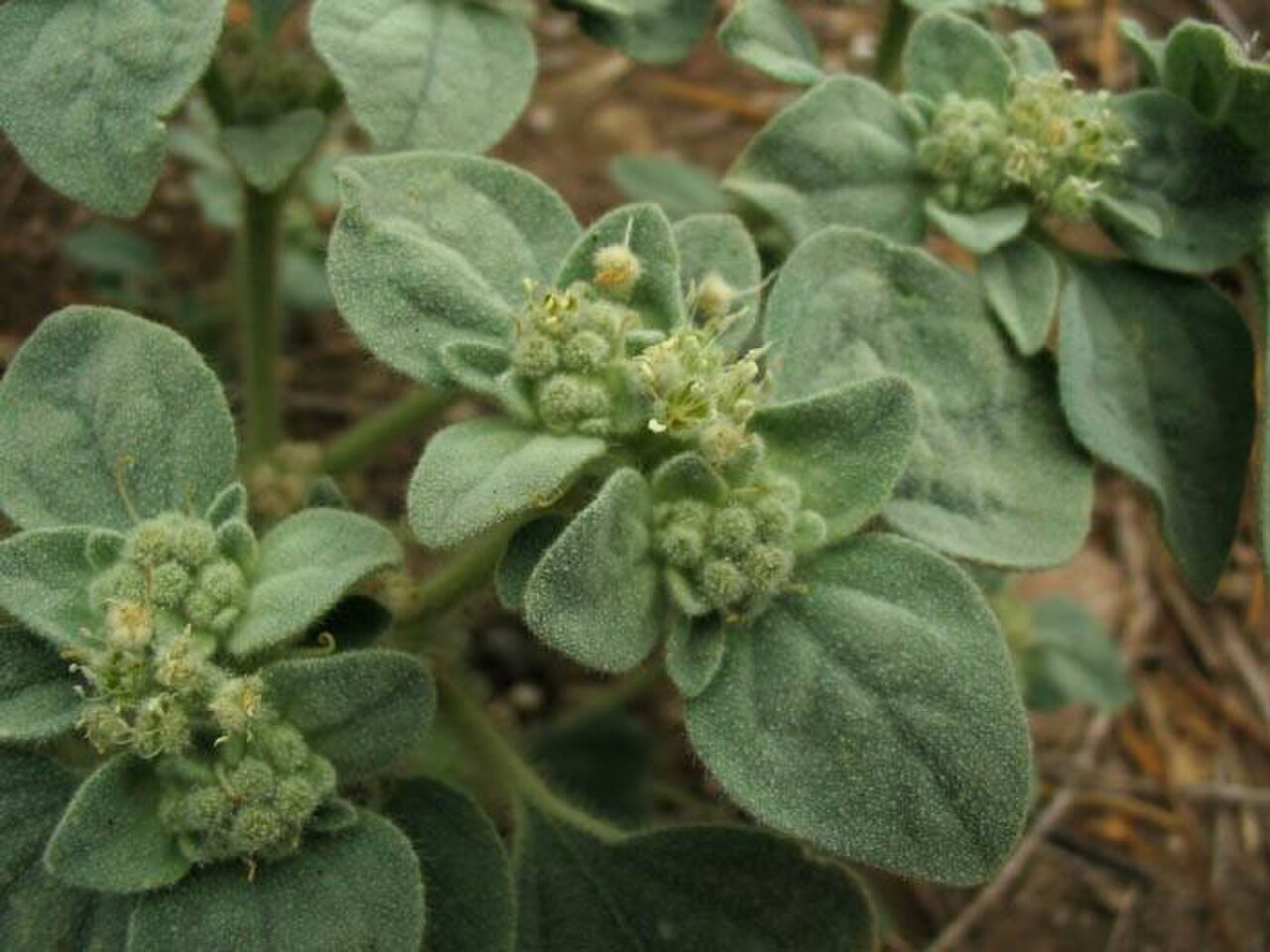
Turkey mullein forms low, dense, felty mats of grayish-green foliage across dry summer fields, thriving in scorching heat when most other annuals have withered. Its thick covering of star-shaped and bristly hairs acts as sun protection and reduces water loss, while emitting a heavy, sweet-musky scent when crushed. Despite possessing chemical defenses that ward off browsing mammals and once served Indigenous peoples as a stupefying fish poison, its nutritious seeds are an essential late-season food for upland game birds.
Drought-TolerantNativeWildflower
—observations
—countries
—peak records
Not EvaluatedConservation statusIUCN Red List categoriesLCNTVUENCREWEXNot Evaluated — not placed on the risk ladderRed List categories, explained →
Diet & preyPhotosynthetic autotroph
Predators
- Mourning Dove
- California Quail
- Wild Turkey
ThreatsAgricultural herbicide application, soil tilling, and invasive weed competition
HabitatsDry grasslands, chaparral, roadsides, fallow fields, and open gravelly plains
Life spanAnnual (4–8 months)
Classification
- OrderMalpighiales
- FamilyEuphorbiaceae
- GenusCroton
- SpeciesCroton setigerus
Range data is not available yet.
Interaction riskHigh
- Low
- Moderate
- High
- Very high
- Why interaction risk is high
- Toxic to livestock and pets if eaten, with stiff hairs that irritate bare skin and eyes.
- Why it is dangerous
- Contains toxic diterpene esters and volatile resins that poison livestock and fish, while stiff stellate hairs cause painful mechanical dermatitis.
- How to recognize a risky encounter
- Recognized by low, spreading gray-green mats covered in bristly fuzz with tiny green apetalous flowers and a strong musky scent.
- What to do
- Do not touch barehanded or rub eyes after handling; pull using sturdy gardening gloves if managing pasture.
Responsible observation
- Protective Gear: Wear gloves when removing or sampling to avoid bristly hairs that can cause contact dermatitis.
- Wildlife Watching: Scan patches in late summer to spot feeding flocks of doves, quail, and finches.
- Pasture Caution: Prevent horses and livestock from grazing heavily in pastures where dense colonies establish.
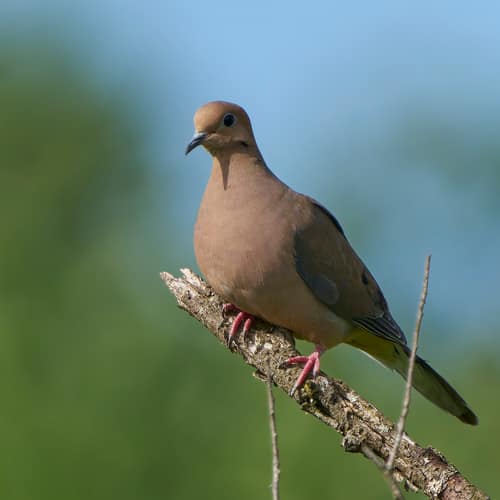
Seed Disperser (c) Paul Danese, some rights reserved (CC BY-SA) · cc-by-sa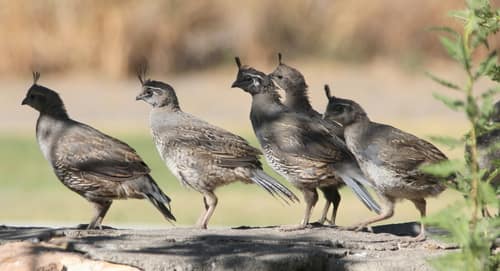
Seed Predator (c) Millie Basden, some rights reserved (CC BY), uploaded by Millie Basden · cc-by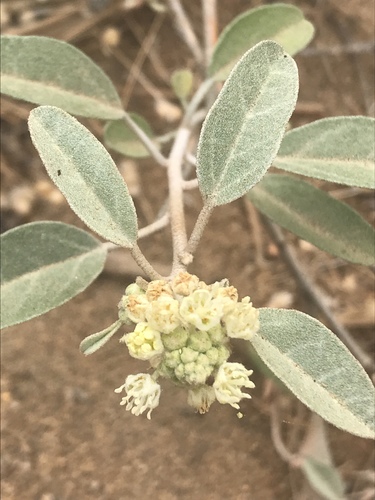
Close Relative no rights reserved, uploaded by Ingo Renner · cc0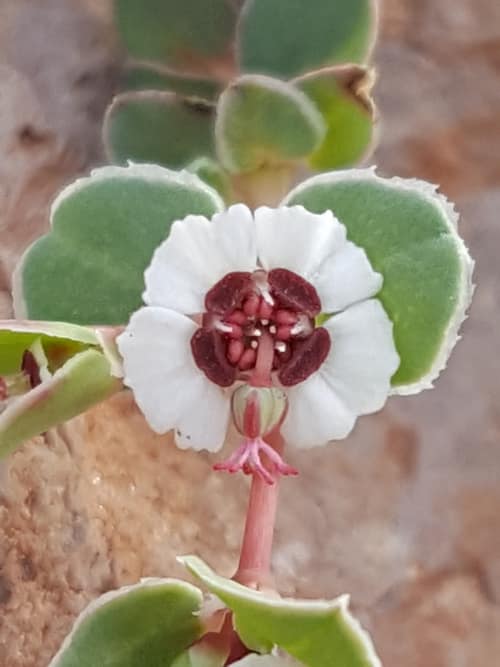
Spurge Family Relative (c) Alex Abair, some rights reserved (CC BY) · cc-by
Help improve the field guideSomething wrong?
Checking your Fauna account…Report a name, category, or profile issue for review.