
Plant · GBIF taxon 3054373
Northern California Black Walnut
Juglans hindsiiAlso known as Hinds's Black Walnut, Claro Walnut
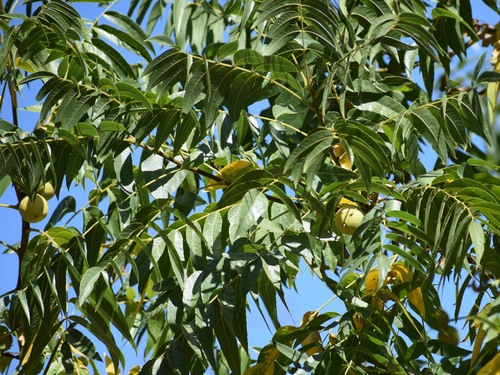
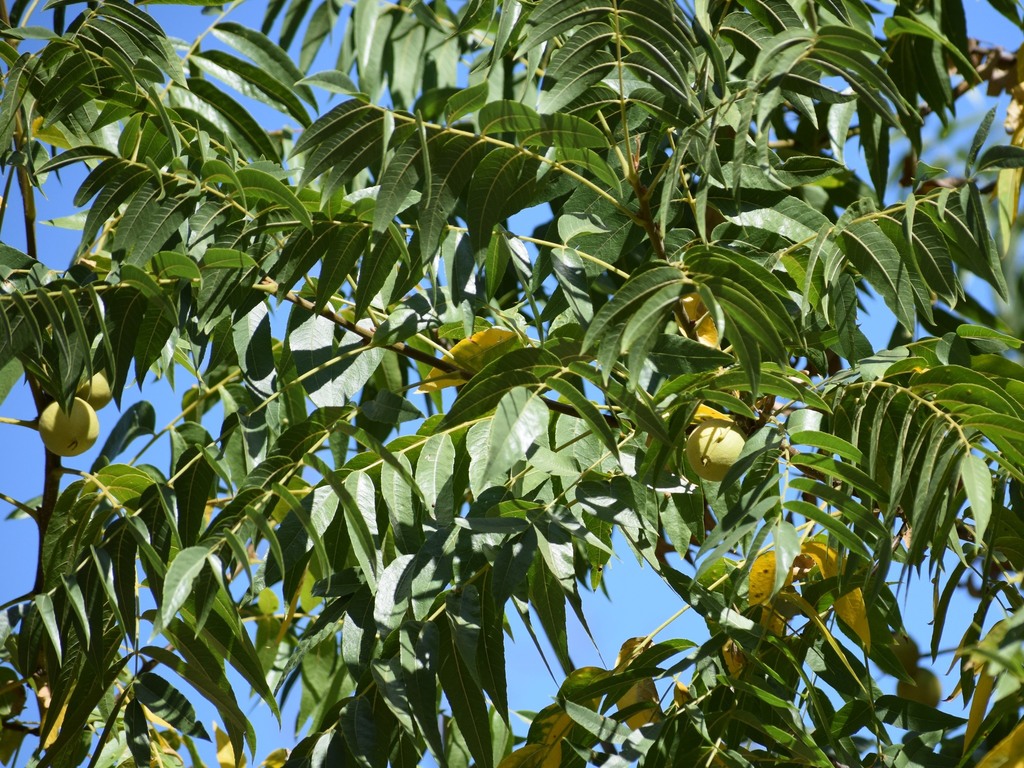
Northern California black walnut dominates riparian slopes and valley floors with a sprawling, heavy-limbed canopy and deeply furrowed dark grey bark. Its roots produce juglone, a chemical compound that suppresses competing vegetation, carving out space for its seedlings to thrive in sunlit clearings. While pure wild groves have grown extraordinarily rare in their original native drainages, agriculturalists extensively graft English walnut branches onto this resilient native rootstock throughout California's commercial orchards.
DeciduousNative TreeRiparian
—observations
—countries
—peak records
Least ConcernConservation statusIUCN Red List categoriesLCNTVUENCREWEXLeast ConcernRed List categories, explained →
Diet & prey
- Sunlight
- Soil Nutrients
- Water
Predators
- Western Gray Squirrel
- Walnut Husk Fly
- Codling Moth
ThreatsUrban development, groundwater extraction, loss of genetic purity via hybridization
HabitatsRiparian corridors, oak woodlands, foothill valleys
Life span100–200 years
Classification
- OrderFagales
- FamilyJuglandaceae
- GenusJuglans
- SpeciesJuglans hindsii
Range data is not available yet.
Interaction riskHigh
- Low
- Moderate
- High
- Very high
- Why interaction risk is high
- Fallen nuts and husks are toxic to dogs if ingested; wild fruits have toxic look-alikes.
- Why it is dangerous
- Husks contain juglone and harbor Mycotoxin-producing molds that cause severe tremors and seizures if consumed by dogs.
- How to recognize a risky encounter
- Look for heavy spherical green husks darkening to black on the ground beneath deeply furrowed tree trunks.
- What to do
- Keep pets on a leash away from fallen nuts and wear gloves if clear-up is required.
- What to notice
- Distinguished by large pinnate leaves with 13 to 21 narrow leaflets and dark, deeply cracked, thick bark.
- Support conservation
- Observe trees from paved paths and avoid stepping around exposed root systems to protect fragile native soils.
Responsible observation
- Avoid Foraging: Wild nuts have toxic look-alikes and fallen husks harbor harmful molds; leave nuts for wildlife.
- Watch for Stains: Wear thick gloves when touching fallen husks, as natural dyes permanently stain skin.
- Garden Placement: Keep juglone-sensitive plants like tomatoes and nightshades well away from the dripline.
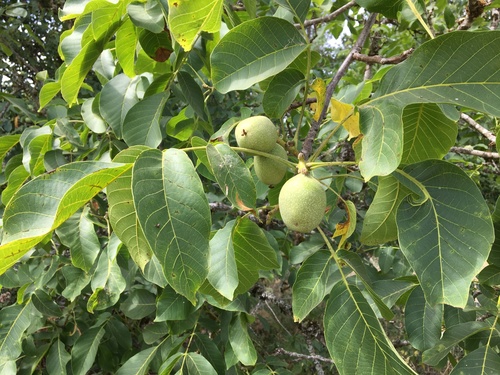
Grafting Partner (c) Ed Alverson, some rights reserved (CC BY), uploaded by Ed Alverson · cc-by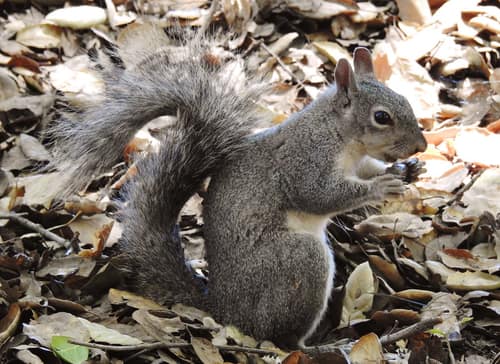
Seed Disperser "Western Gray Squirrel" by sonstroem is licensed under CC BY 2.0. To view a copy of this license, visit https://creativecommons.org/licenses/by/2.0/. · cc-by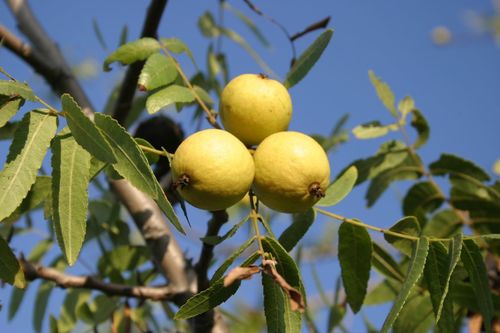
Close Relative (c) Joe Decruyenaere, some rights reserved (CC BY-SA) · cc-by-sa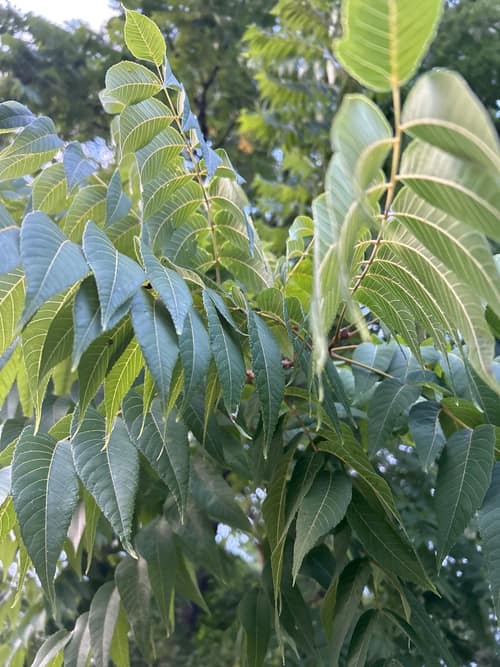
Close Relative (c) SalamiRaptor, some rights reserved (CC BY-SA), uploaded by SalamiRaptor · cc-by-sa
Help improve the field guideSomething wrong?
Checking your Fauna account…Report a name, category, or profile issue for review.