
Plant
Pignut Hickory
Carya glabraAlso known as Smoothbark Hickory, Broom Hickory, Sweet Pignut, Swamp Hickory
Pignut hickory trees dominate dry ridges and moist woods across eastern North America, growing tall with a straight trunk and dense canopy. Their pinnately compound leaves flush bright green in spring before turning a brilliant butter-yellow each autumn. The characteristic pear-shaped nuts feature a thin husk that usually stays partially attached, providing crucial autumn fat for squirrels, turkeys, and black bears.
DeciduousHardwoodFall Foliage
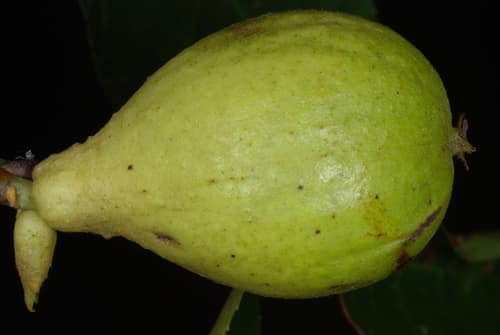
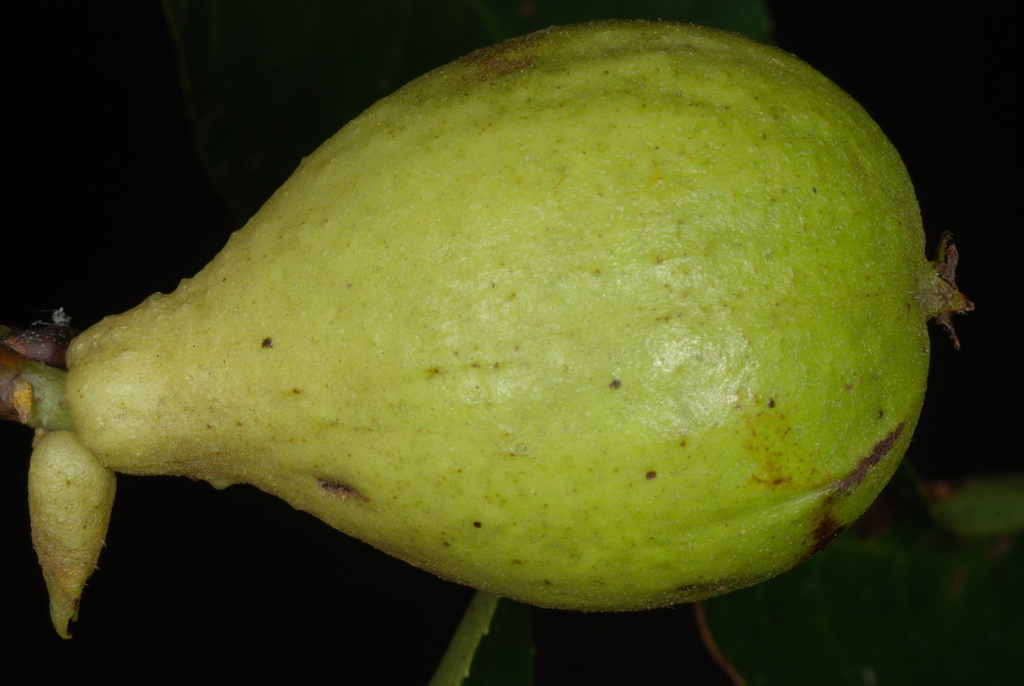
—observations
—countries
—peak records
Least ConcernConservation statusIUCN Red List categoriesLCNTVUENCREWEXLeast ConcernRed List categories, explained →
Diet & preyAutotrophic
Predators
- Hickory Bark Beetle
- Eastern Grey Squirrel
- White-Tailed Deer
ThreatsForest fragmentation, hickory bark beetle, habitat loss
HabitatsOak-hickory forests, dry upland ridges, moist hillsides
Life span200–300 years
Classification
- OrderFagales
- FamilyJuglandaceae
- GenusCarya
- SpeciesCarya glabra
Range data is not available yet.
Interaction riskLow
- Low
- Moderate
- High
- Very high
- Why interaction risk is low
- Wild nuts have toxic look-alikes; never eat based on app identification alone.
Responsible observation
- Leaf Identification: Look for pinnately compound leaves with five or rarely seven hairless leaflets.
- Nut Recognition: Check for smooth pear-shaped nuts with husks that split only halfway.
- Autumn Viewing: Visit oak-hickory woodlands in October to spot their rich yellow foliage.
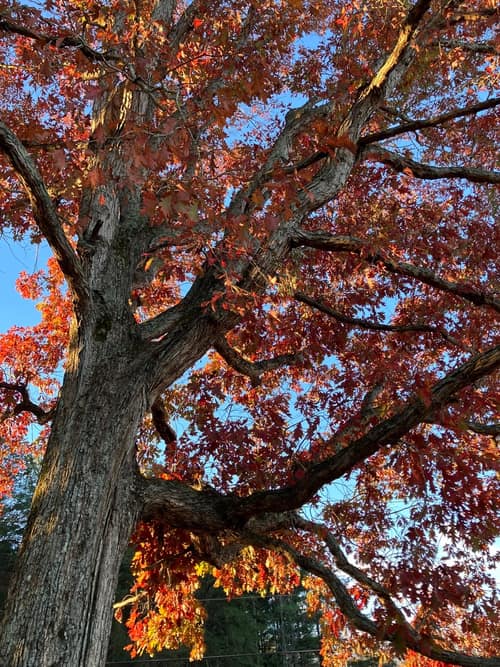
Frequent Companion (c) Alicia Ballard, some rights reserved (CC BY) · cc-by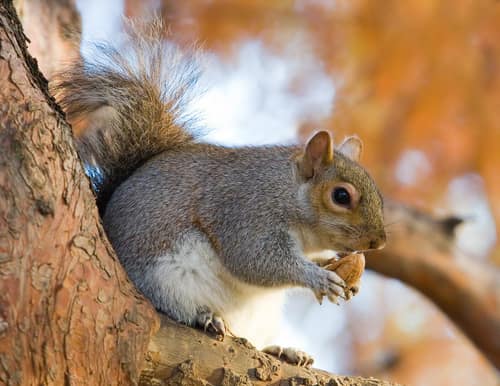
Seed Disperser (c) Diliff, some rights reserved (CC BY-SA) · cc-by-sa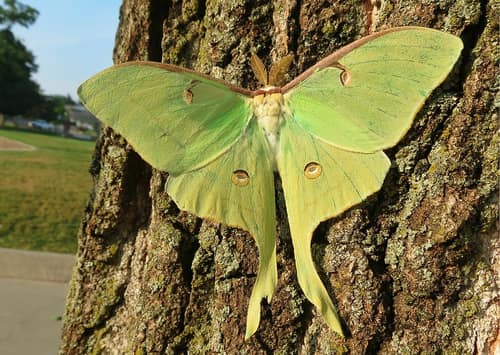
Host Plant "Lovely luna moth at the Neosho National Fish Hatchery" by U.S. Fish and Wildlife Service - Midwest Region is licensed under CC BY 2.0. To view a copy of this license, visit https://creativecommons.org/licenses/by/2.0/. · cc-by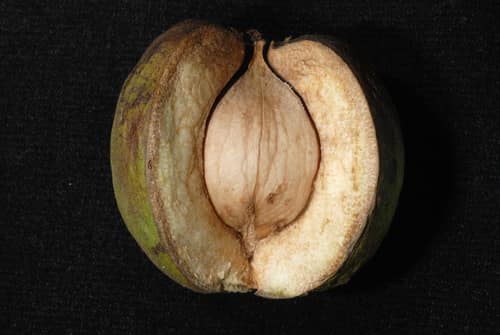
Close Relative (c) Douglas Goldman, some rights reserved (CC BY-SA), uploaded by Douglas Goldman · cc-by-sa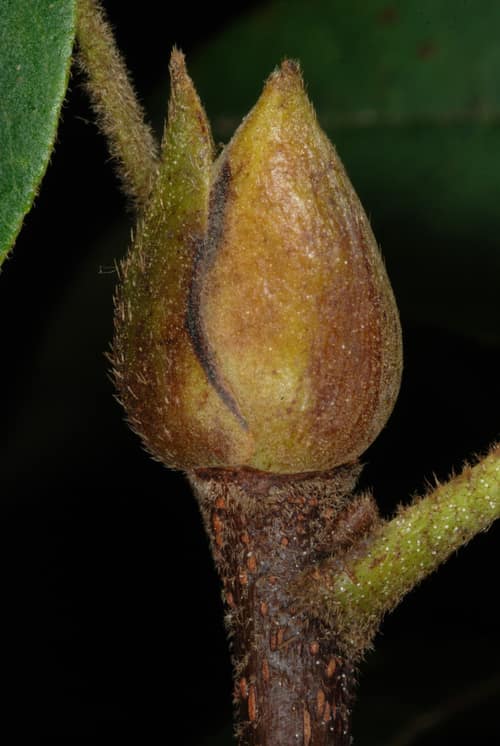
Close Relative (c) Douglas Goldman, some rights reserved (CC BY-SA), uploaded by Douglas Goldman · cc-by-sa
Help improve the field guideSomething wrong?
Checking your Fauna account…Report a name, category, or profile issue for review.