
Plant · GBIF taxon 3054314
Black Hickory
Carya texanaAlso known as Texas Hickory, Bucket Hickory
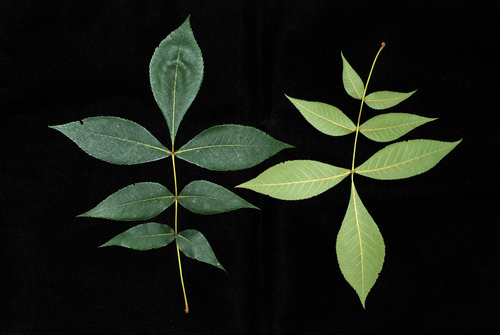
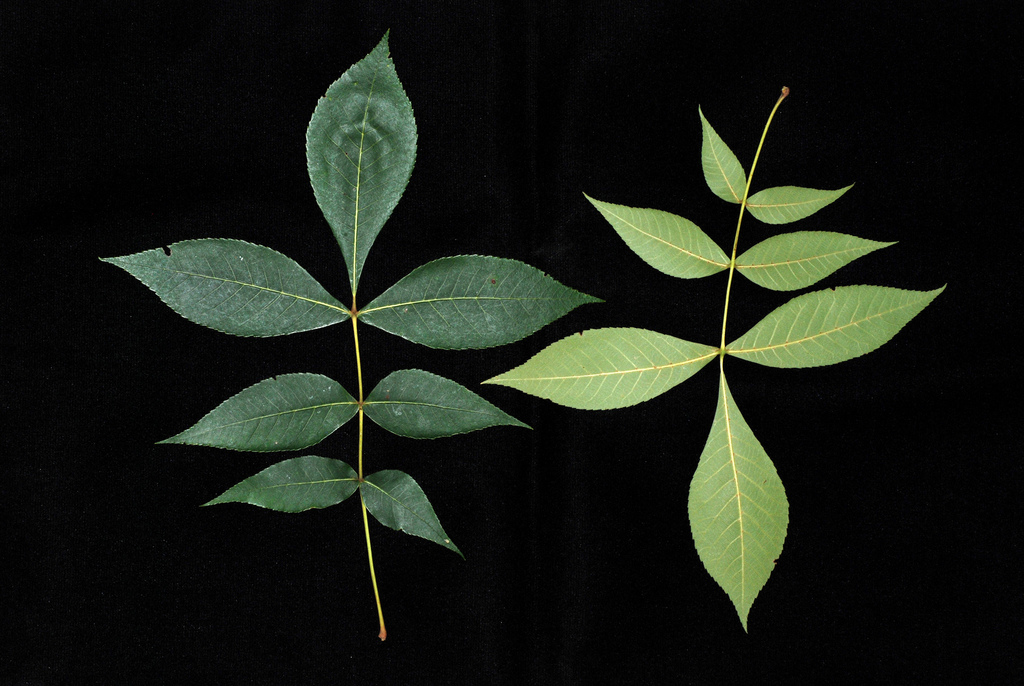
Black hickory trees anchor dry upland forests across the southern Great Plains, thriving on sandy ridges and rocky slopes where drier conditions limit other hardwood species. Distinctive rusty reddish hairs along the leaf stalks and dark, deeply furrowed bark set this slow-growing tree apart from its relatives. Its heavy nut crops provide critical fall nourishment for forest wildlife while its dense, tough wood resists drought and decay.
DeciduousTreeHardwood
 1 / 7
1 / 7—observations
—countries
—peak records
Least ConcernConservation statusIUCN Red List categoriesLCNTVUENCREWEXLeast ConcernRed List categories, explained →
Diet & prey
- Sunlight
- Water
- Soil Minerals
Predators
- Eastern Grey Squirrel
- White-tailed Deer
- Curculio Weevils
ThreatsHabitat fragmentation, land conversion, fire suppression, fungal blights
HabitatsDry upland forests, rocky slopes, sandy ridges, oak-hickory savannas
Life span150–250+ years
Classification
- OrderFagales
- FamilyJuglandaceae
- GenusCarya
- SpeciesCarya texana
Range data is not available yet.
Interaction riskLow
- Low
- Moderate
- High
- Very high
- Why interaction risk is low
- Safe to observe at a normal distance.
Responsible observation
- Bark Identification: Look for dark, deeply furrowed bark forming tight diamond patterns on mature trunks.
- Leaf Observation: Check the undersides of leaf stems for characteristic rusty brown hairs in spring and summer.
- Upland Habitat: Search dry, rocky hilltops and sandy ridges where oak-hickory communities dominate.
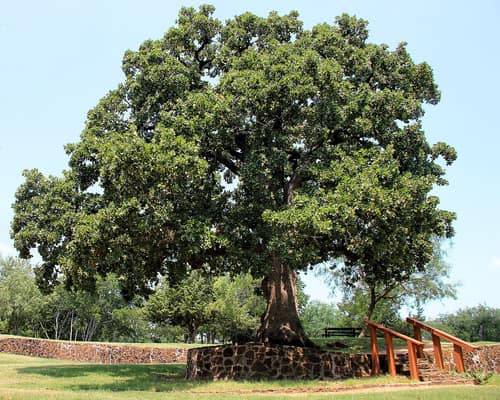
Forest Companion Larry D. Moore / CC BY 4.0 · cc-by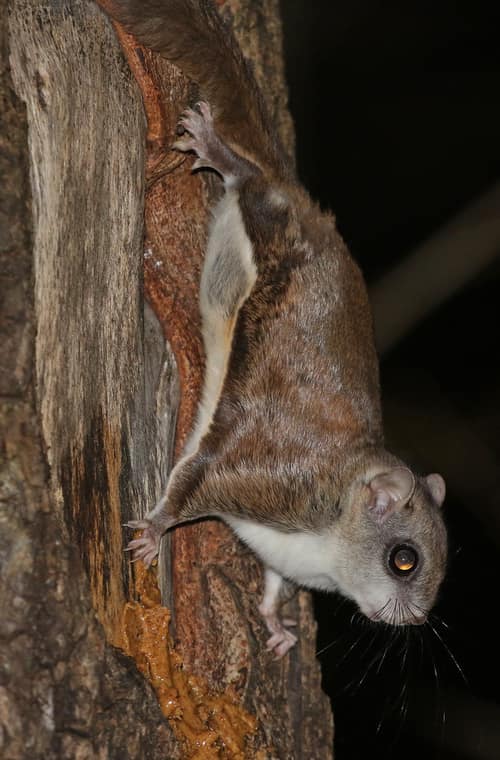
Seed Disperser "Southern Flying Squirrel - Glaucomys volans, Long Branch Nature Center, Arlington, Virginia, December 22, 2020" by Judy Gallagher is licensed under CC BY 2.0. To view a copy of this license, visit https://creativecommons.org/licenses/by/2.0/. · cc-by Image unavailable
Close Relative 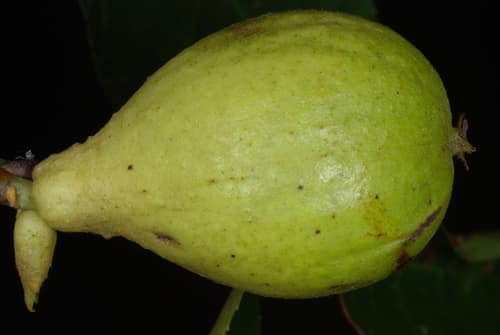
Close Relative (c) Douglas Goldman, some rights reserved (CC BY-SA), uploaded by Douglas Goldman · cc-by-sa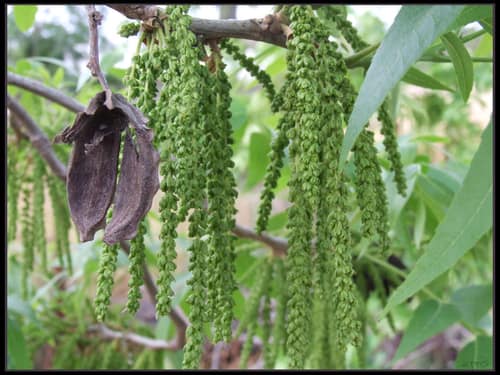
Close Relative (c) Eran Finkle, some rights reserved (CC BY) · cc-by
Help improve the field guideSomething wrong?
Checking your Fauna account…Report a name, category, or profile issue for review.