
Plant · GBIF taxon 3054299
Bitternut Hickory
Carya cordiformisAlso known as Yellowbud Hickory, Bitternut, Swamp Hickory
Bitternut hickory stands out in winter forests by its bright sulfur-yellow, naked buds that cap slender twigs. Unlike its rough-barked kin, it displays tight, shallowly furrowed gray bark that forms a delicate diamond pattern even into maturity. Squirrels and small rodents readily harvest the thin-shelled, bitter nuts, while dozens of native moth caterpillars rely on its compound foliage throughout the summer.
DeciduousHardwoodNative Tree
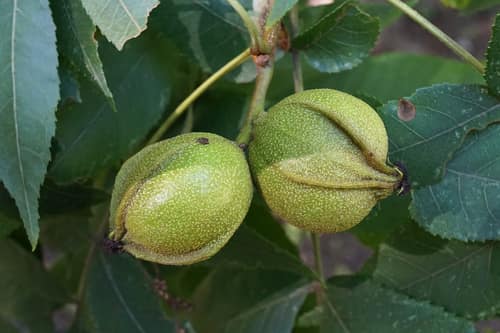
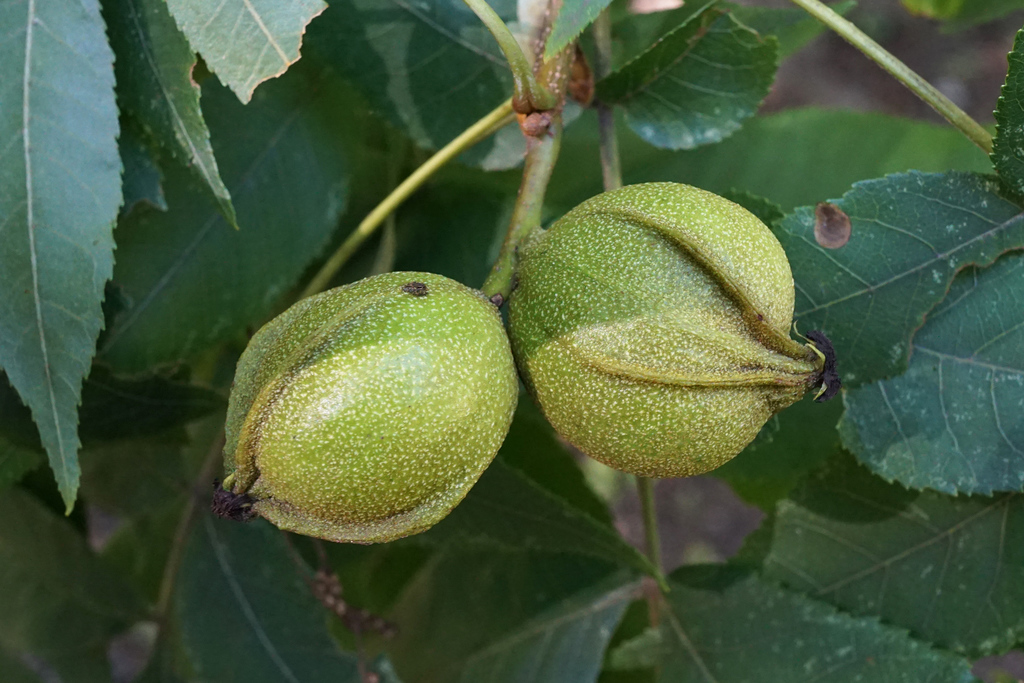
Licensed reference(c) Plant Image Library, some rights reserved (CC BY-SA) · cc-by-sa
—observations
—countries
—peak records
Least ConcernConservation statusIUCN Red List categoriesLCNTVUENCREWEXLeast ConcernRed List categories, explained →
Diet & prey
- Autotrophic (photosynthetic)
Predators
- Hickory bark beetle
- Walnut caterpillar
- Eastern gray squirrel
ThreatsHickory bark beetle outbreaks, habitat clearance, and fungal cankers
HabitatsMoist bottomlands, floodplain forests, riverbanks, and rich upland woods
Life span150–200 years
Size / weightNot available
Classification
- OrderFagales
- FamilyJuglandaceae
- GenusCarya
- SpeciesCarya cordiformis
Range data is not available yet.
Interaction riskLow
- Low
- Moderate
- High
- Very high
- Why interaction risk is low
- Safe to observe at a normal distance.
Responsible observation
- Winter Identification: Look for the distinct sulfur-yellow, valvate buds that lack protective bud scales.
- Fruit Recognition: Examine the small, four-winged husk splitting halfway to release a bitter, smooth nut.
- Habitat Clues: Search along moist floodplains and stream terraces where it reaches its greatest abundance.
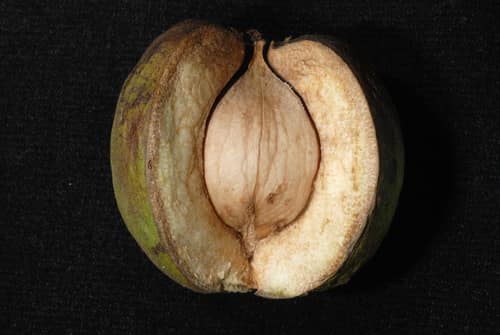
Same Genus (c) Douglas Goldman, some rights reserved (CC BY-SA), uploaded by Douglas Goldman · cc-by-sa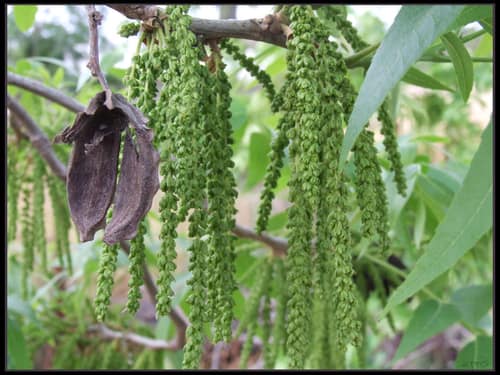
Same Genus (c) Eran Finkle, some rights reserved (CC BY) · cc-by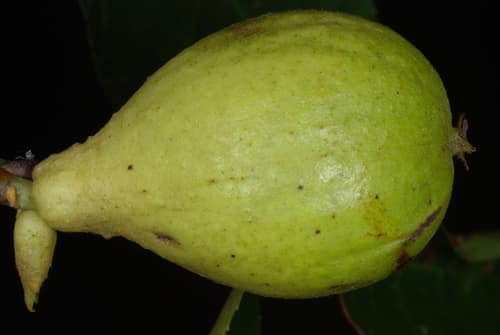
Same Genus (c) Douglas Goldman, some rights reserved (CC BY-SA), uploaded by Douglas Goldman · cc-by-sa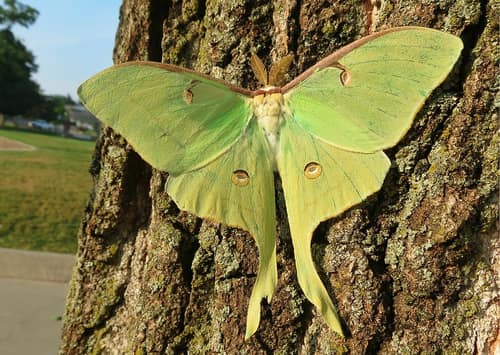
Host Plant "Lovely luna moth at the Neosho National Fish Hatchery" by U.S. Fish and Wildlife Service - Midwest Region is licensed under CC BY 2.0. To view a copy of this license, visit https://creativecommons.org/licenses/by/2.0/. · cc-by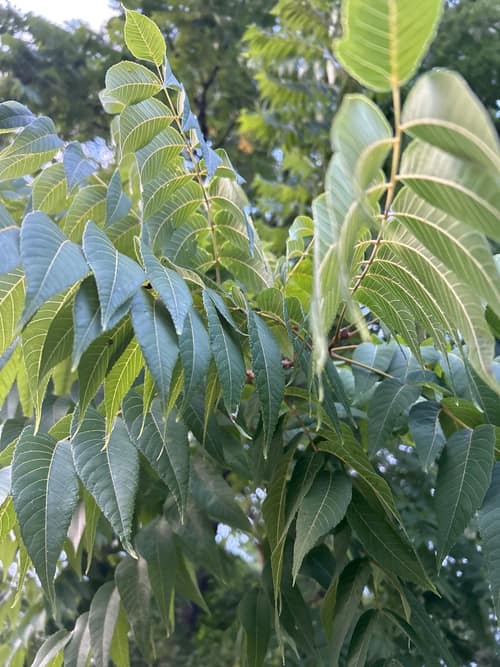
Same Family (c) SalamiRaptor, some rights reserved (CC BY-SA), uploaded by SalamiRaptor · cc-by-sa
Help improve the field guideSomething wrong?
Checking your Fauna account…Report a name, category, or profile issue for review.