
Plant
European Aspen
Populus tremulaAlso known as Eurasian Aspen, Trembling Poplar
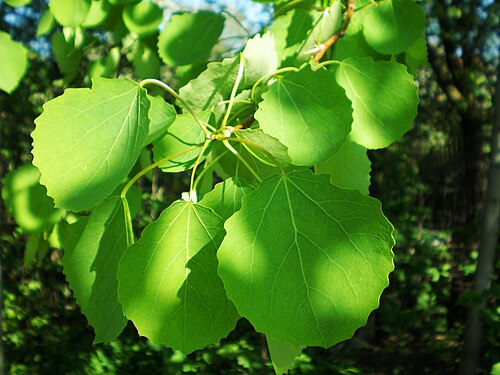
Eurasian aspens produce rounded, coarsely toothed leaves with laterally flattened petioles that flutter and hiss in the slightest breeze. Massive clonal colonies propagate via vigorous root suckers, allowing a single genetic individual to persist across centuries after wildfire or clear-cutting. In early spring, pendulous catkins bloom on separate male and female trees before the foliage unfurls, releasing millions of tiny seeds equipped with silky hairs for wind dispersal.
DeciduousPioneer TreeClonal

—observations
—countries
—peak records
Least ConcernConservation statusIUCN Red List categoriesLCNTVUENCREWEXLeast ConcernRed List categories, explained →
Diet & preyPhotoautotrophic
Predators
- European Beaver
- Roe Deer
- Red Deer
ThreatsOverbrowsing by high ungulate densities and suppression of natural fire regimes
HabitatsBoreal forests, mixed woodlands, heath edges, and rocky slopes
Life spanTrunks live 40–150 years; root systems can survive for centuries
Classification
- OrderMalpighiales
- FamilySalicaceae
- GenusPopulus
- SpeciesPopulus tremula
Range data is not available yet.
Interaction riskLow
- Low
- Moderate
- High
- Very high
- Why interaction risk is low
- Safe to observe at a normal distance.
Responsible observation
- Auditory Identification: Listen on breezy days for the characteristic whispering rustle of trembling leaves.
- Wildlife Watching: Scan older trunks for excavated cavities created by woodpeckers and reused by owls.

Herbivore Per Harald Olsen / CC BY-SA 3.0 · cc-by-sa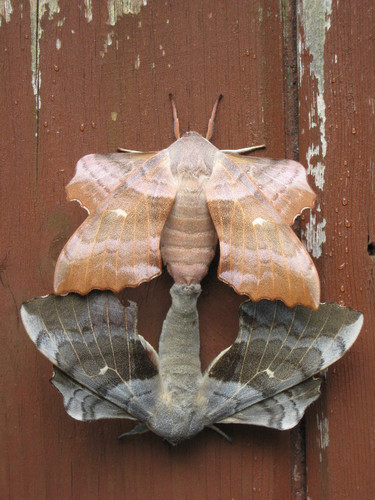
Larval Host (c) A Dearheart, some rights reserved (CC BY-SA) · cc-by-sa Image unavailable
Herbivore 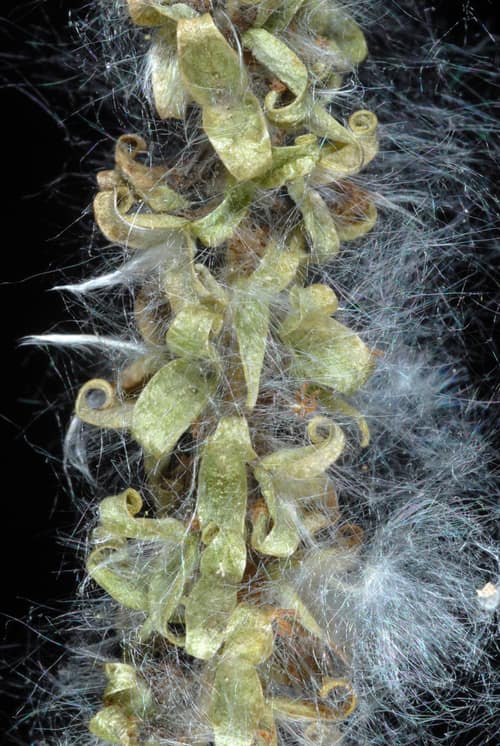
Close Relative (c) Douglas Goldman, some rights reserved (CC BY-SA), uploaded by Douglas Goldman · cc-by-sa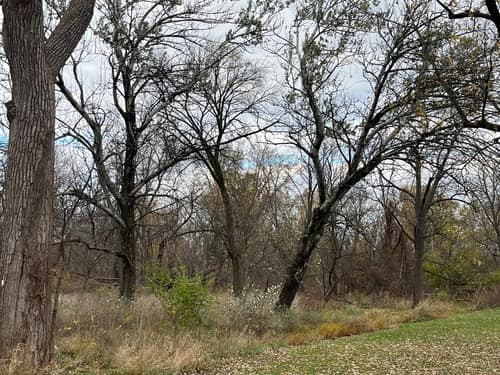
Close Relative (c) Mike B, some rights reserved (CC BY-SA), uploaded by Mike B · cc-by-sa
Help improve the field guideSomething wrong?
Checking your Fauna account…Report a name, category, or profile issue for review.