
Plant · GBIF taxon 3039209
Japanese Creeper
Parthenocissus tricuspidataAlso known as Boston Ivy, Grape Ivy, Japanese Ivy, Woodbine
Japanese creeper climbs structures using specialized branched tendrils tipped with small adhesive pads that grip surfaces tightly without penetrating masonry. Three-lobed leaves emerge glossy green in spring and transform into brilliant crimson, orange, and purple hues every autumn. Birds feast on the dark blue berries, spreading seeds across woodlands and urban landscapes while the dense foliage provides vital shelter for nesting songbirds.
Vigorous VineDeciduousFall Color
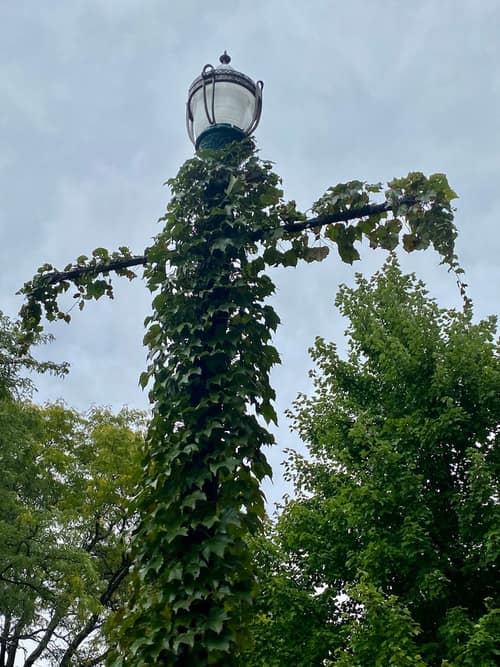
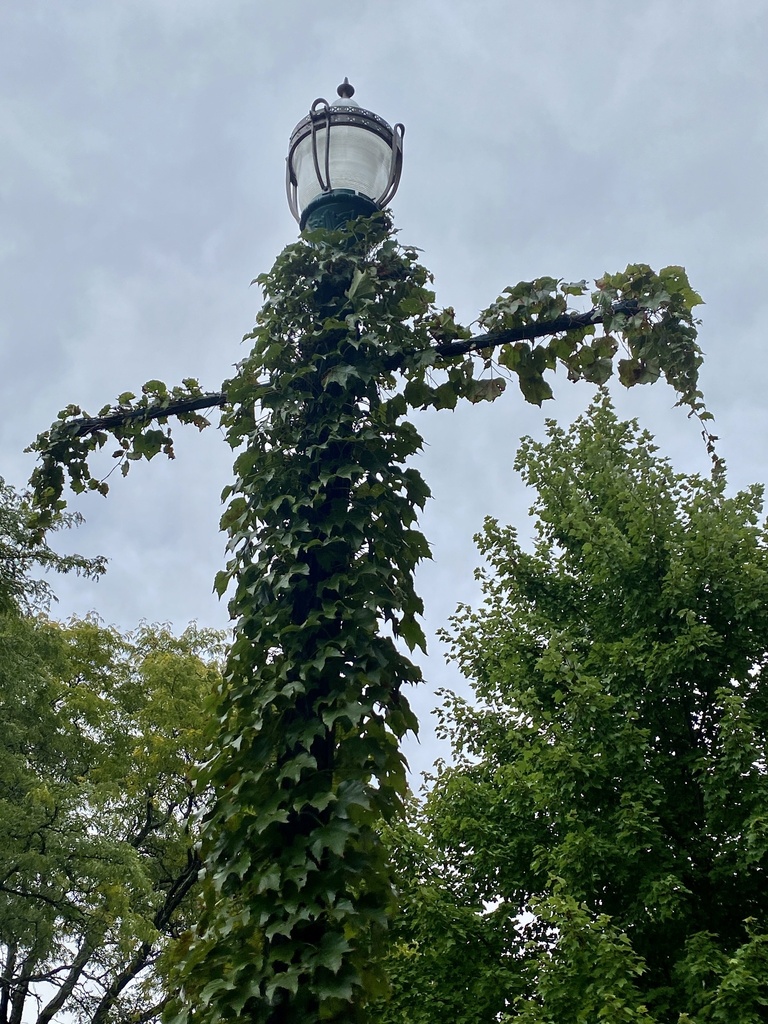
—observations
—countries
—peak records
Not EvaluatedConservation statusIUCN Red List categoriesLCNTVUENCREWEXNot Evaluated — not placed on the risk ladderRed List categories, explained →
Diet & prey
- Sunlight
- Water
- Soil Minerals
Predators
- Japanese Beetle
- Aphids
- Spider Mites
ThreatsHerbicide application and physical removal in areas where it escapes cultivation
HabitatsWoodlands, forest edges, riverside thickets, masonry walls, urban gardens
Life span30–50+ years
Size / weightNot available
Classification
- OrderVitales
- FamilyVitaceae
- GenusParthenocissus
- SpeciesParthenocissus tricuspidata
Range data is not available yet.
Interaction riskHigh
- Low
- Moderate
- High
- Very high
- Why interaction risk is high
- Foliage and berries contain calcium oxalate crystals; wild berries have toxic look-alikes, so never eat based on app identification alone.
- Why it is dangerous
- Contains toxic oxalic acid and calcium oxalate crystals that cause oral burning, swelling, vomiting, and digestive pain if swallowed.
- How to recognize a risky encounter
- Recognizable by its shiny three-lobed leaves turning vivid red in autumn, alongside blue-black berries attached to red stalks.
- What to do
- Wear gloves during heavy pruning, and ensure pets and young children do not ingest fallen berries.
Responsible observation
- Wall Maintenance: Prune branches away from wooden window frames, gutters, and painted surfaces to prevent structural trapping of moisture.
- Identification: Inspect leaf tendrils for small sticky suction discs, which distinguish this climber from twining grapevines.
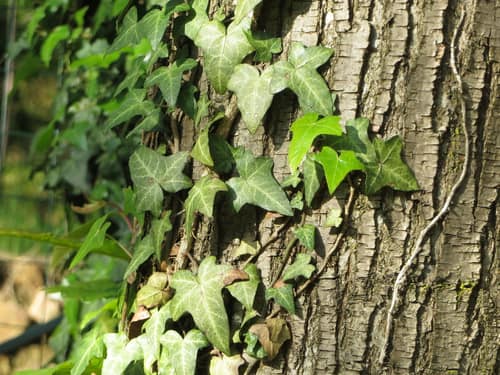
Ecological Look-Alike (c) Marianna Boi, some rights reserved (CC BY), uploaded by Marianna Boi · cc-by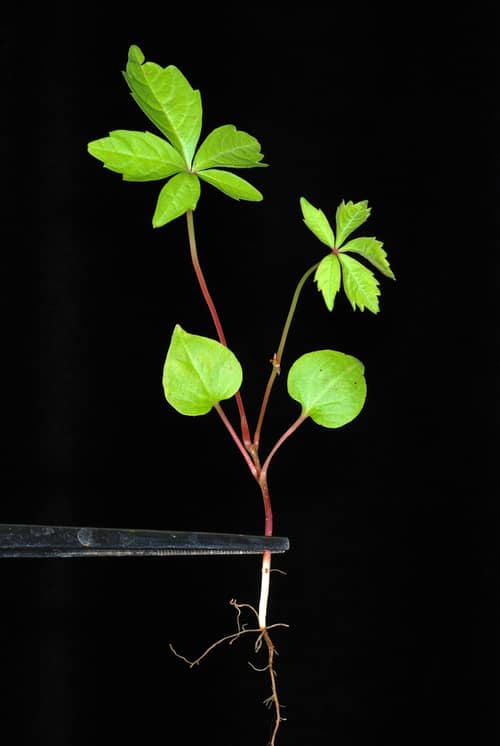
Close Relative (c) Douglas Goldman, some rights reserved (CC BY-SA), uploaded by Douglas Goldman · cc-by-sa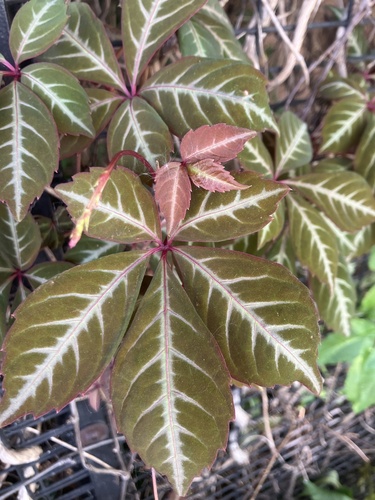
Close Relative (c) kimberleytew, some rights reserved (CC BY) · cc-by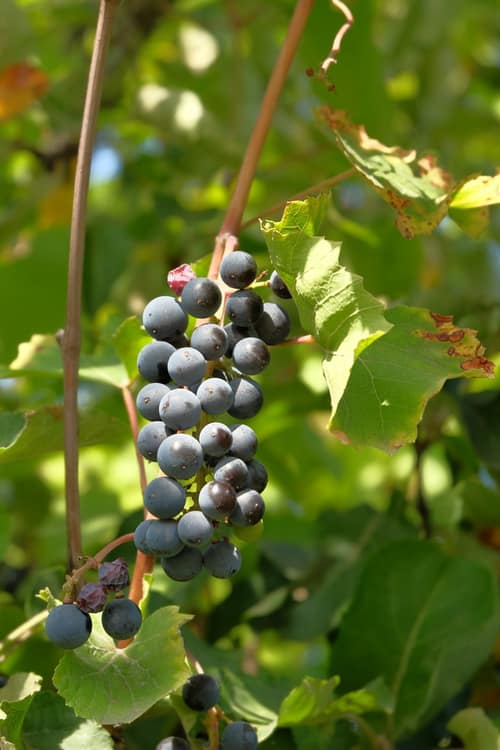
Family Member (c) Andrey Polstianoi, some rights reserved (CC BY), uploaded by Andrey Polstianoi · cc-by
Help improve the field guideSomething wrong?
Checking your Fauna account…Report a name, category, or profile issue for review.