
Plant
Thicket Creeper
Parthenocissus insertaAlso known as False Virginia Creeper, Woodbine, Grape Woodbine
Thicket creeper climbs vigorously through riverside woods and shrubby borders, anchoring itself by wrapping branched tendrils around twigs rather than adhering with suction discs. Its glossy, five-parted leaves flush deep green in summer before turning vivid shades of scarlet and bronze during autumn. Clusters of dark blue berries persist into early winter, providing an invaluable lipid-rich fuel source for flocks of migrating songbirds.
Woody VineDeciduousAutumn Foliage
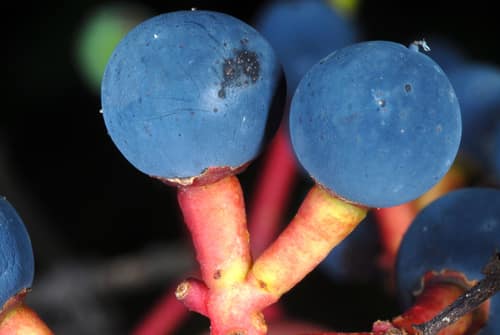
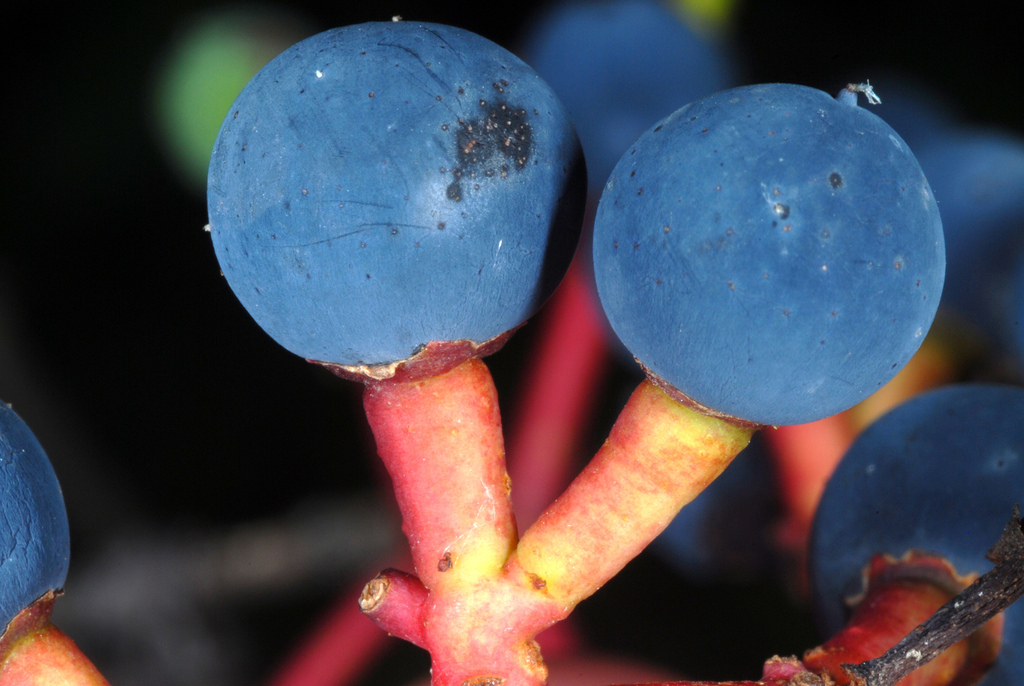
—observations
—countries
—peak records
Least ConcernConservation statusIUCN Red List categoriesLCNTVUENCREWEXLeast ConcernRed List categories, explained →
Diet & preyAutotroph (photosynthesis)
Predators
- White-tailed Deer
- Achemon Sphinx Moth
- Eight-spotted Forester
ThreatsHabitat clearing, herbicide runoff, aggressive removal in landscaped areas
HabitatsRiparian woodlands, thickets, canyon bottoms, rocky slopes, fence lines
Life span20–50 years
Classification
- OrderVitales
- FamilyVitaceae
- GenusParthenocissus
- SpeciesParthenocissus inserta
Range data is not available yet.
Interaction riskHigh
- Low
- Moderate
- High
- Very high
- Why interaction risk is high
- Sap can cause dermatitis and berries are toxic; wild berries have dangerous look-alikes, never ingest.
- Why it is dangerous
- Plant tissues contain microscopic calcium oxalate crystals that trigger skin dermatitis, and ingesting the berries causes acute nausea, vomiting, and kidney distress.
- How to recognize a risky encounter
- Recognize it by palmately compound leaves with five serrated leaflets, branching twining tendrils lacking flat pads, and clusters of dark blue fruit.
- What to do
- Wear protective gloves when weeding or cutting vines, wash exposed skin immediately, and never taste wild berries.
Responsible observation
- Identifying Tendrils: Check the tendril tips to distinguish it from true Virginia creeper, as thicket creeper lacks adhesive discs.
- Skin Protection: Wear gloves and long sleeves when clearing overgrown vines to prevent skin irritation from sap oxalates.
- Autumn Watching: Scan fruiting thickets in late autumn to spot foraging flocks of thrushes, waxwings, and flickers.
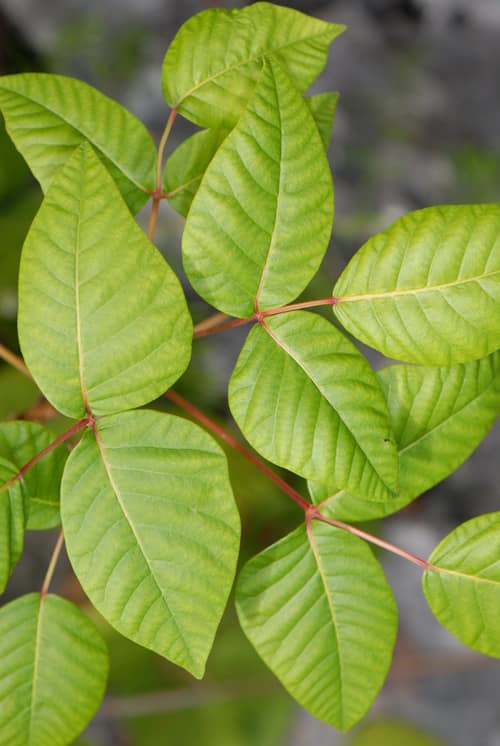
Look-alike (c) Sam Fraser-Smith, some rights reserved (CC BY) · cc-by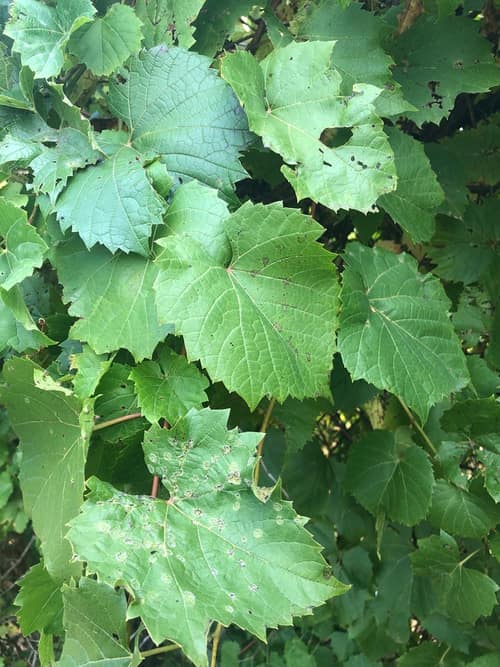
Ecological Competitor (c) miquelon, some rights reserved (CC BY), uploaded by miquelon · cc-by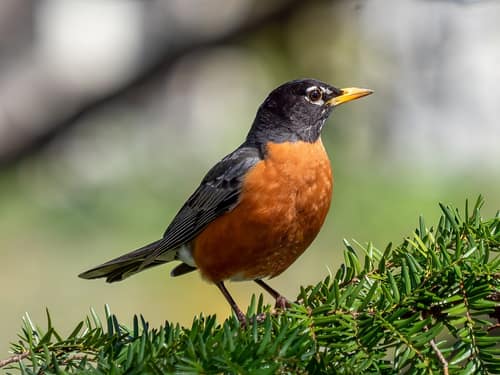
Seed Disperser Rhododendrites / CC BY-SA 4.0 · cc-by-sa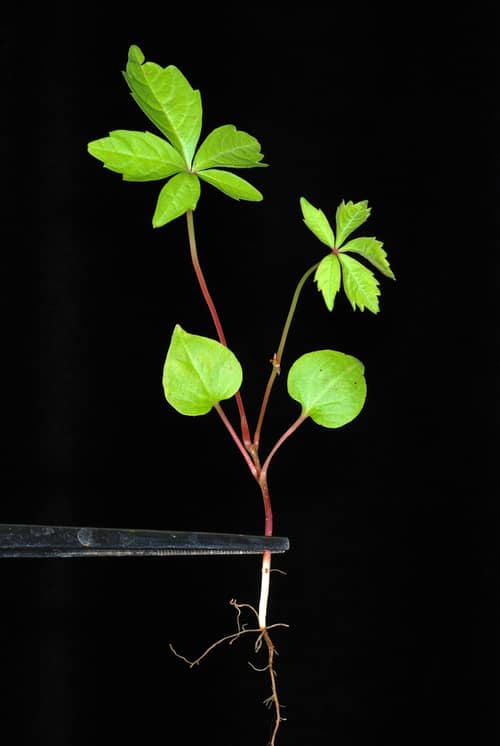
Close Relative (c) Douglas Goldman, some rights reserved (CC BY-SA), uploaded by Douglas Goldman · cc-by-sa
Help improve the field guideSomething wrong?
Checking your Fauna account…Report a name, category, or profile issue for review.