
Plant · GBIF taxon 3039183
Heart Leaf Peppervine
Ampelopsis cordataAlso known as Heartleaf Ampelopsis, False Grape, Raccoon Grape
Heart-leaf peppervine scrambles through bottomland forests and thickets, using slender tendrils lacking adhesive disks to hoist itself into the canopy. Its lustrous, heart-shaped leaves lack the deep lobes seen in most wild grapes, serving as a larval host for several striking sphinx moth species. In late summer, loose branched clusters of pea-sized fruit ripen asynchronously through shades of cream, pink, and turquoise to deep purple, creating a vital cold-season food depot for migrating songbirds.
Woody VineDeciduousNative
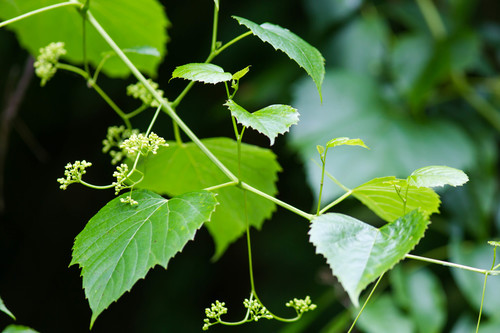
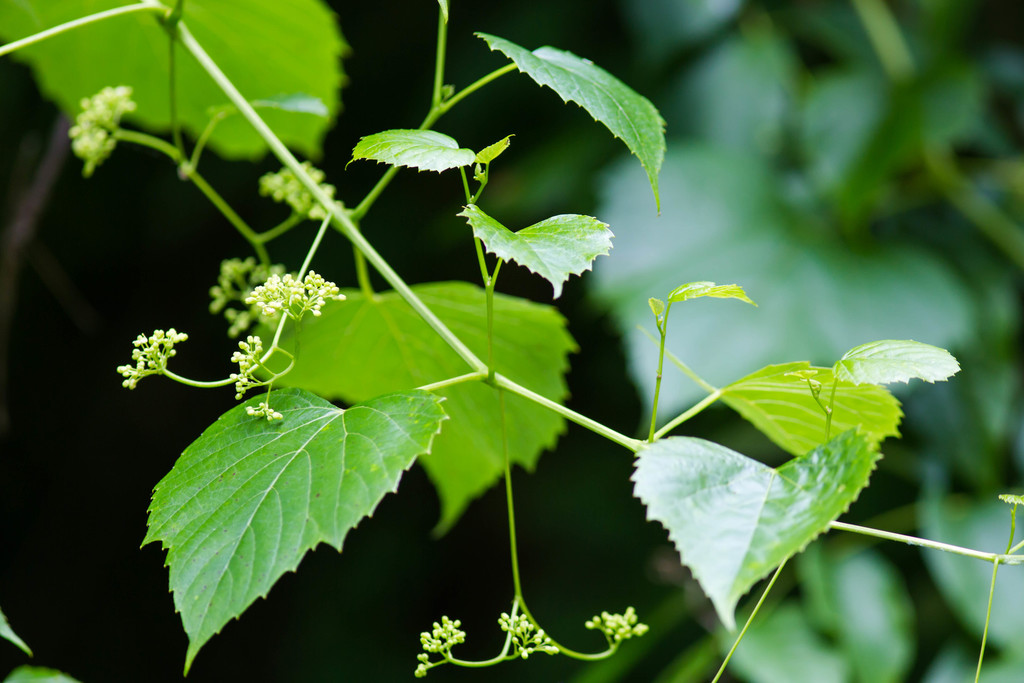
Licensed reference(c) Melissa McMasters, some rights reserved (CC BY) · cc-by
—observations
—countries
—peak records
Least ConcernConservation statusIUCN Red List categoriesLCNTVUENCREWEXLeast ConcernRed List categories, explained →
Diet & prey
- Photosynthetic (autotroph)
Predators
- Northern Cardinal
- Cedar Waxwing
- White-tailed Deer
ThreatsHerbicide spraying along rights-of-way and competition from non-native vines
HabitatsFloodplain forests, stream banks, woodland margins, and fencerows
Life span15–30+ years
Classification
- OrderVitales
- FamilyVitaceae
- GenusAmpelopsis
- SpeciesAmpelopsis cordata
Range data is not available yet.
Interaction riskHigh
- Low
- Moderate
- High
- Very high
- Why interaction risk is high
- Berries are toxic and wild fruits have poisonous look-alikes; never eat wild berries based on app identification alone.
- Why it is dangerous
- Berries contain calcium oxalate raphides and toxic saponins that cause throat burning, nausea, and vomiting if eaten.
- How to recognize a risky encounter
- Look for glossy, unlobed heart-shaped foliage, smooth non-shredding bark with lenticels, and upright berry clusters.
- What to do
- Wear gardening gloves when cutting back thick vines, and ensure decorative autumn clippings remain out of reach of pets.
Responsible observation
- Pith Check: Slice a dormant twig to verify solid white pith, which distinguishes peppervines from true wild grapes with brown, chambered centers.
- Leaf Margin Clue: Observe the coarse, forward-pointing teeth along the unbroken heart-shaped blade to differentiate it from native muscadines.
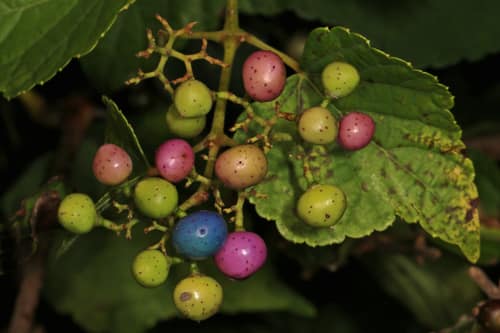
Invasive Confounder (c) Judy Gallagher, some rights reserved (CC BY-SA), uploaded by Judy Gallagher · cc-by-sa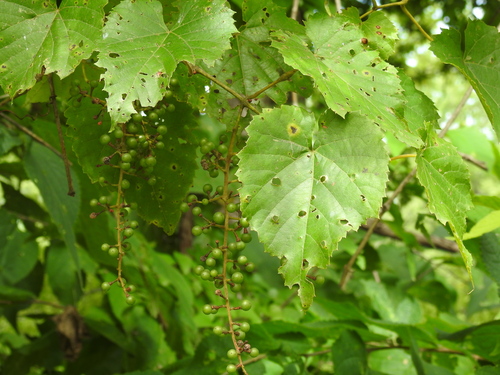
Look-alike no rights reserved · cc0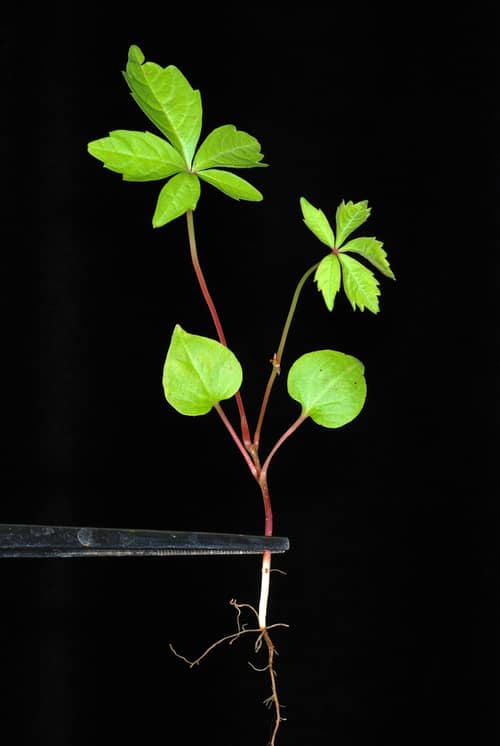
Family Relative (c) Douglas Goldman, some rights reserved (CC BY-SA), uploaded by Douglas Goldman · cc-by-sa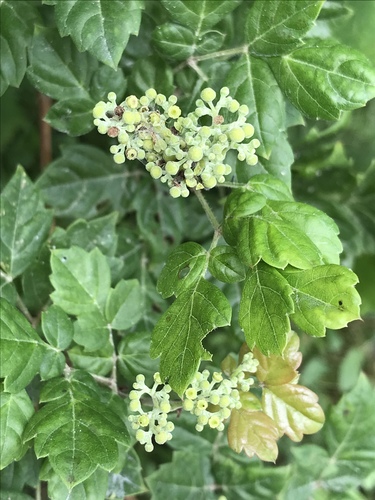
Close Relative (c) Laura Clark, some rights reserved (CC BY), uploaded by Laura Clark · cc-by
Help improve the field guideSomething wrong?
Checking your Fauna account…Report a name, category, or profile issue for review.