
Plant
Fennel
Foeniculum vulgareAlso known as Wild Fennel, Sweet Fennel
Fennel produces tall, hollow stems crowned with broad umbels of minute yellow flowers that emit a pervasive aroma of sweet anise. Indigenous to Mediterranean coastlines, it vigorously colonizes roadside verges and coastal scrub, serving as an indispensable host plant for swallowtail butterfly caterpillars. Dense clusters of fine, threadlike foliage allow it to thrive in arid, sunbaked soils where few other herbs persist.
AromaticPerennialHost Plant
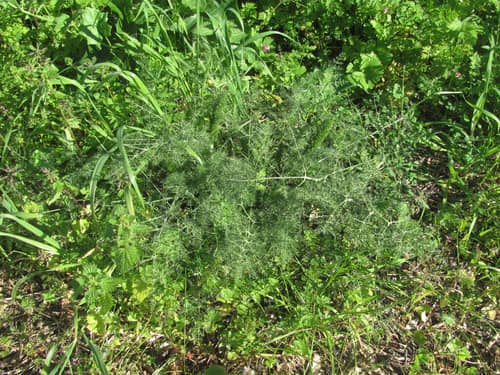
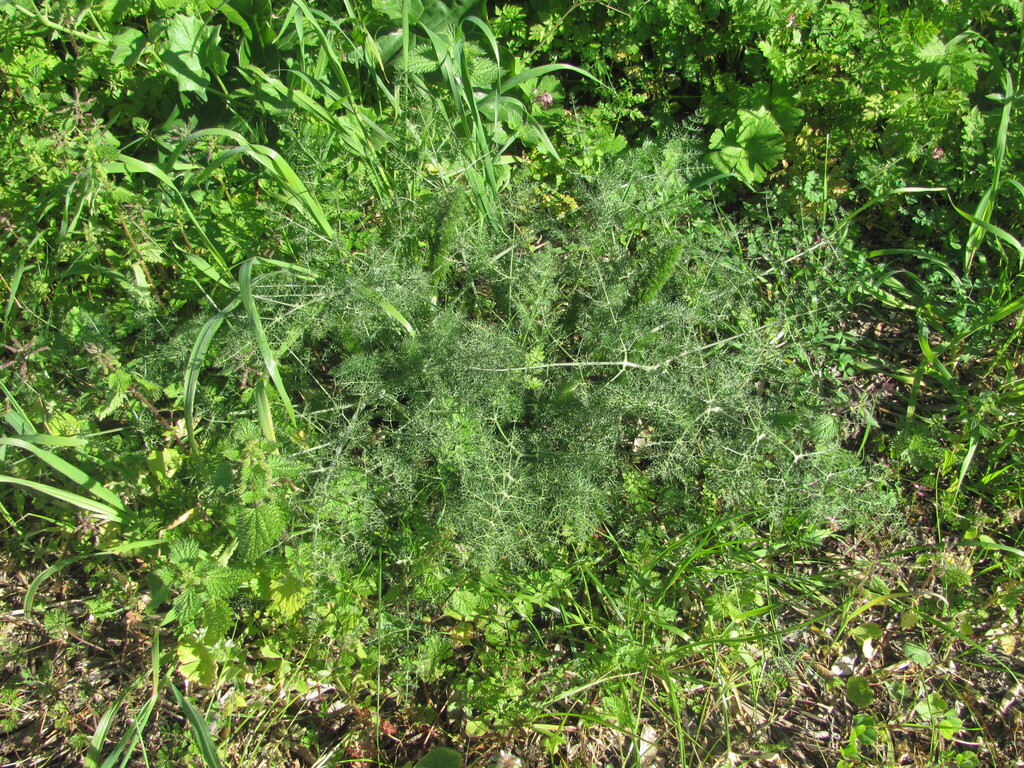
—observations
—countries
—peak records
Least ConcernConservation statusIUCN Red List categoriesLCNTVUENCREWEXLeast ConcernRed List categories, explained →
Diet & preyAutotrophic (photosynthesis)
Predators
- Anise Swallowtail Caterpillar
- Black Swallowtail Caterpillar
ThreatsHerbicide application, repeated mowing, and invasive weed eradication programs
HabitatsCoastal bluffs, roadsides, riverbanks, pastures, and disturbed grasslands
Life spanPerennial (typically 2–5+ years)
Classification
- OrderApiales
- FamilyApiaceae
- GenusFoeniculum
- SpeciesFoeniculum vulgare
Range data is not available yet.
Interaction riskLow
- Low
- Moderate
- High
- Very high
- Why interaction risk is low
- Safe to observe at a normal distance, though easily confused with toxic poison hemlock.
Responsible observation
- Aroma Check: Rub a leaf between fingers to detect the distinct aniseed or licorice fragrance.
- Stem Inspection: Check stems to ensure solid green coloring without purple blotches common to hemlock.
- Caterpillar Finding: Inspect lower feathery foliage in midsummer for striped swallowtail larvae.
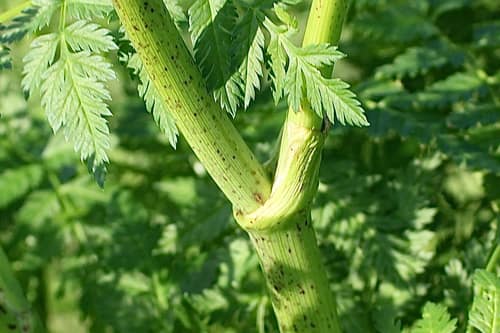
Look-alike (c) L.J. Lamera, some rights reserved (CC BY), uploaded by L.J. Lamera · cc-by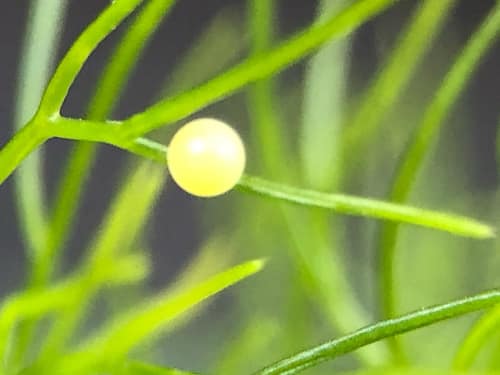
Herbivore (c) Hydrocycler (Elizabeth Dougherty), some rights reserved (CC BY), uploaded by Hydrocycler (Elizabeth Dougherty) · cc-by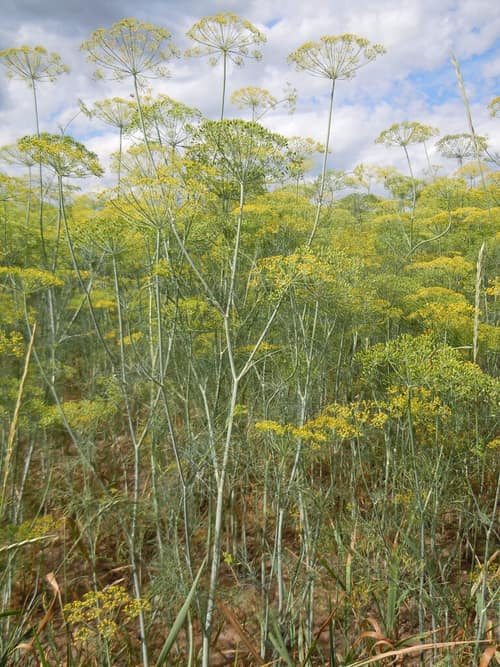
Same Family (c) Matt Lavin, some rights reserved (CC BY-SA) · cc-by-sa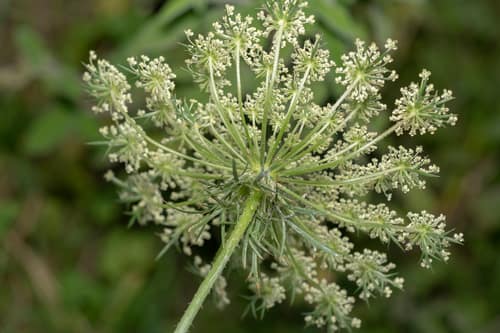
Same Family (c) Eleftherios Katsillis, some rights reserved (CC BY), uploaded by Eleftherios Katsillis · cc-by
Help improve the field guideSomething wrong?
Checking your Fauna account…Report a name, category, or profile issue for review.