Also known as Alligator Pear, Avocado Pear, Aguacate
Avocado trees dominate warm forest canopies with broad leathery leaves and produce large, nutrient-dense fruit with an unusually high oil content for plants. Their unique flowering strategy relies on opening as female on one day and male the next, preventing self-pollination without a complementary partner tree nearby. Thought to have coevolved with extinct megafauna like giant ground sloths for seed dispersal, these long-lived trees now rely almost entirely on human propagation across subtropical regions globally.
Leaves, bark, and seeds contain persin, which is toxic to pets and livestock; keep animals away.
Why it is dangerous
Foliage, bark, stems, and seeds contain persin, a toxin that causes severe cardiac damage, fluid accumulation, and death in domestic animals, especially birds and horses.
How to recognize a risky encounter
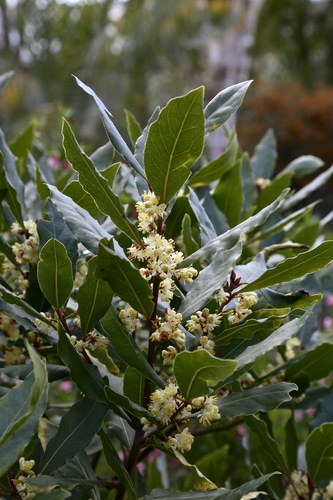
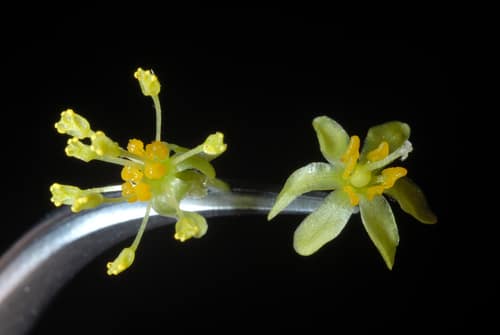
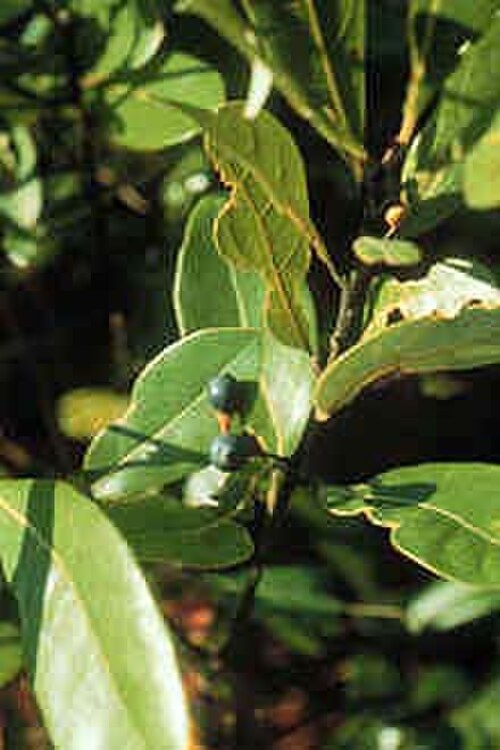
Recognize by dense canopy of broad leathery green leaves, greenish yellow flower clusters, and large dark green fruit.
What to do
Keep pets and livestock away from fallen orchard debris, prunings, and exposed seed pits.
Responsible observation
Observation: Watch for the unique two-stage flower openings that alternate between male and female phases on consecutive days.
Pet Safety: Keep fallen leaves, stems, and seeds away from dogs, cats, birds, and livestock due to persin toxicity.