
Plant
Sassafras
Sassafras albidumAlso known as White Sassafras, Red Sassafras, Ague Tree, Cinnamon Wood
Sassafras stands out in eastern deciduous forests by bearing three distinct leaf shapes on the exact same branch: smooth ovals, two-lobed mittens, and three-lobed forks. Every part of the plant exudes a sweet, spicy aroma reminiscent of root beer when crushed, deterring many generalist herbivores while welcoming specialized caterpillars. In late summer, female trees display rich dark-blue drupes perched on bright red fleshy stalks, offering critical lipid-rich fuel for migrating songbirds.
DeciduousAromaticNative Tree
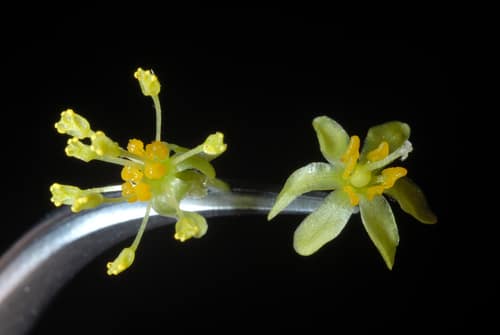
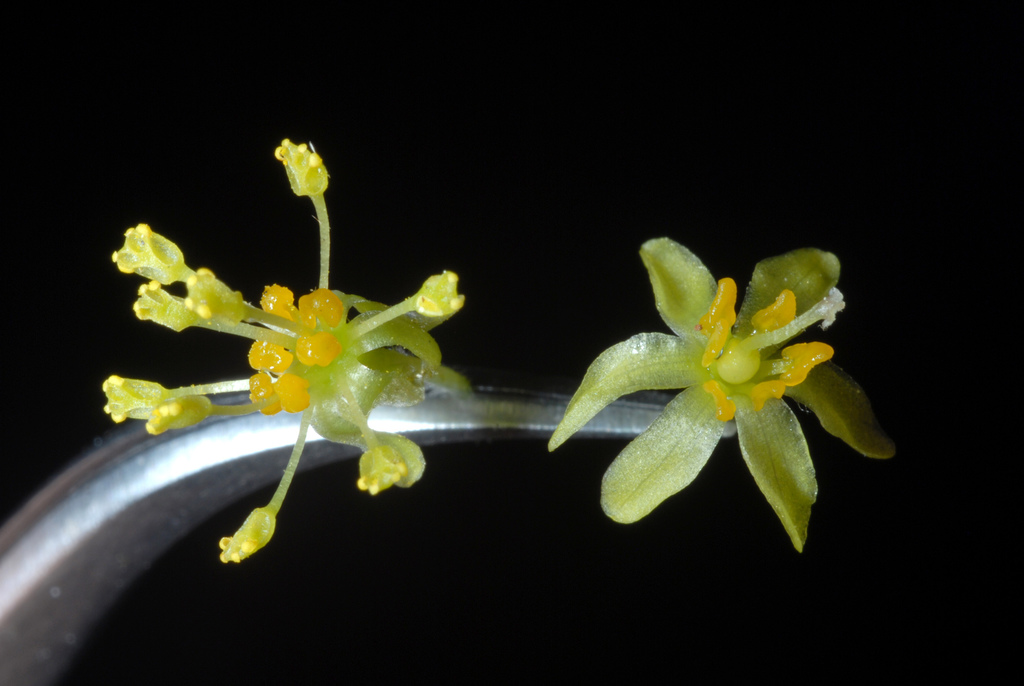
—observations
—countries
—peak records
Least ConcernConservation statusIUCN Red List categoriesLCNTVUENCREWEXLeast ConcernRed List categories, explained →
Diet & preyPhotoautotrophic
Predators
- White-tailed Deer
- Redbay Ambrosia Beetle
- Japanese Beetle
ThreatsLaurel wilt disease, forest fragmentation, and heavy deer browsing
HabitatsDeciduous forests, open woodlands, old fields, and fencerows
Life span30–100 years
Classification
- OrderLaurales
- FamilyLauraceae
- GenusSassafras
- SpeciesSassafras albidum
Range data is not available yet.
Interaction riskLow
- Low
- Moderate
- High
- Very high
- Why interaction risk is low
- Wild berries have toxic look-alikes; never eat based on app identification alone.
Responsible observation
- Leaf Shape Hunt: Examine a single sapling to spot all three distinct leaf variations on one twig.
- Aroma Check: Gently scratch a fallen twig or crush dry foliage to release its spicy fragrance.
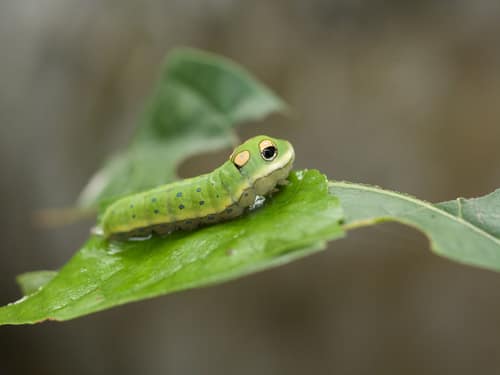
Host Plant "spicebush swallowtail caterpillar" by USFWS Headquarters is licensed under CC BY 2.0. To view a copy of this license, visit https://creativecommons.org/licenses/by/2.0/. · cc-by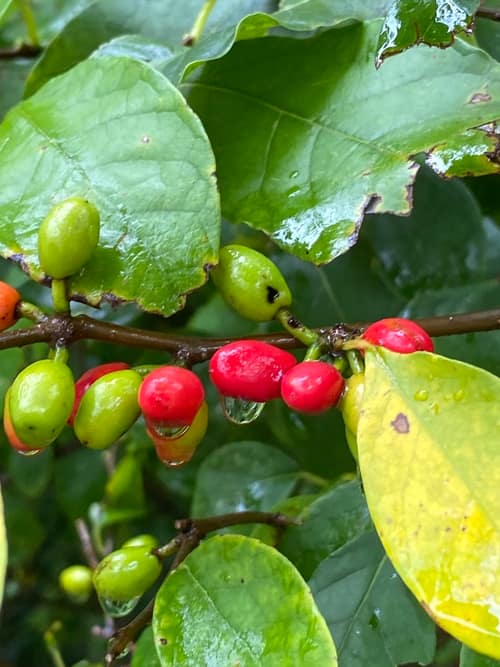
Close Relative (c) Sandy Wolkenberg, some rights reserved (CC BY), uploaded by Sandy Wolkenberg · cc-by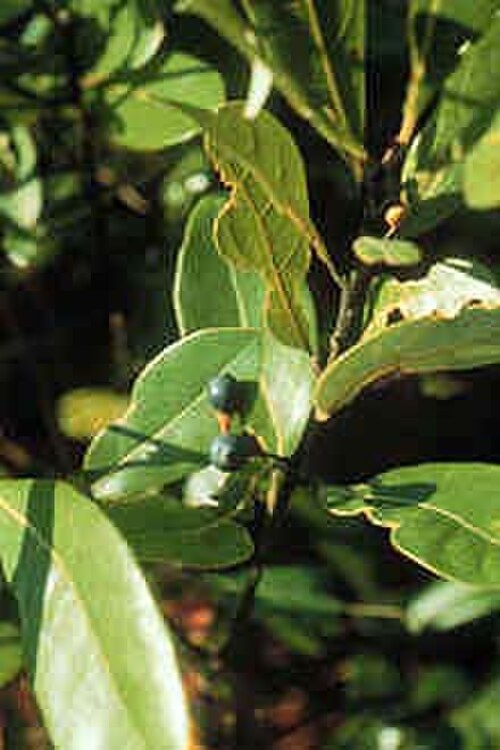
Close Relative USDA-NRCS PLANTS Database / Public domain · cc0
Help improve the field guideSomething wrong?
Checking your Fauna account…Report a name, category, or profile issue for review.