
Plant
Oregon Grape
Mahonia aquifoliumAlso known as Holly-leaved Barberry, Tall Oregon Grape, Holly Barberry
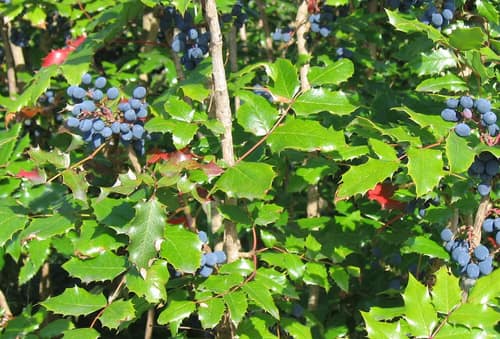
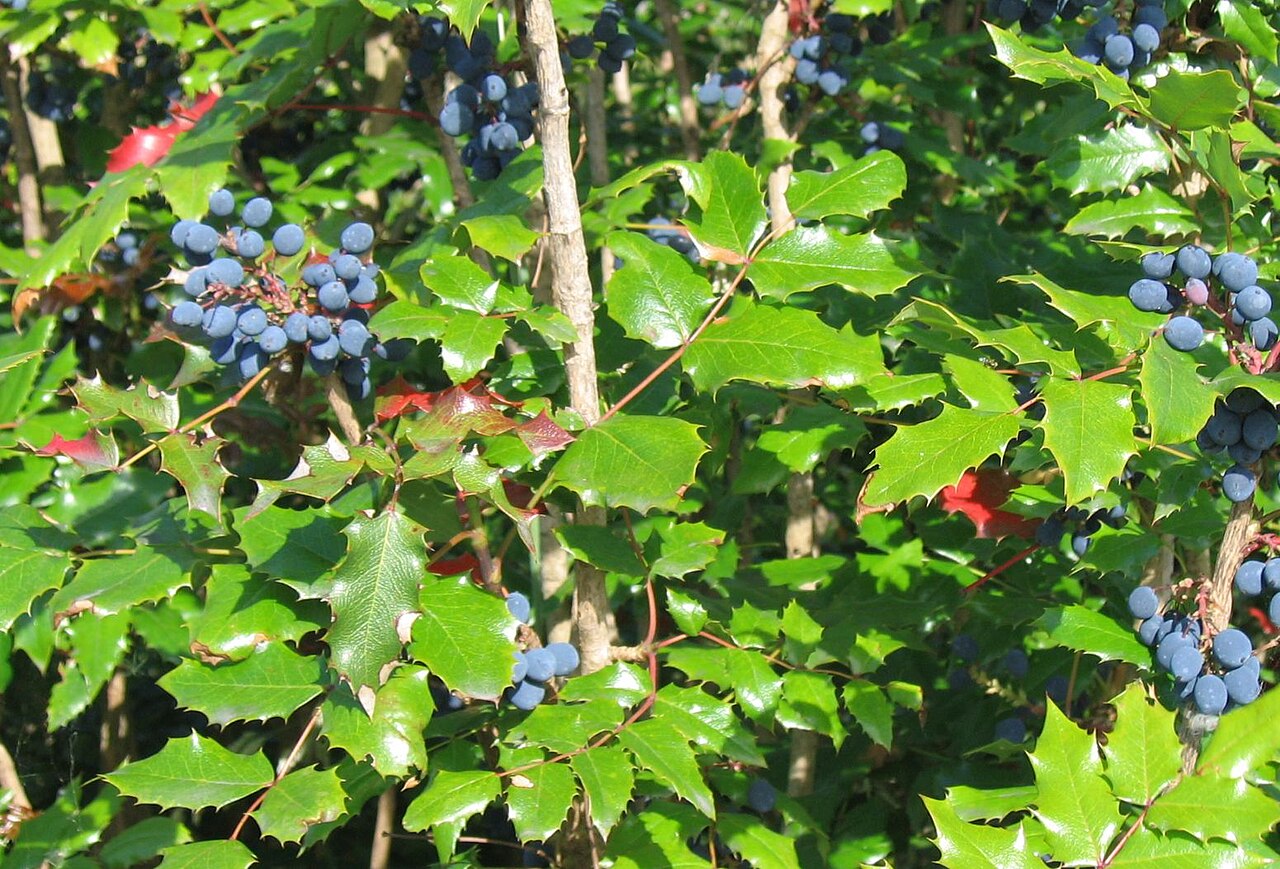
Oregon grape brightens Pacific Northwest forest understories with glossy, holly-like evergreen leaves that turn rich reddish-purple in winter. Dense clusters of fragrant yellow blossoms bloom early in the season, providing an essential nectar source for emerging queen bumblebees and native pollinators. By late summer, dark blue, dusty-frosted berries ripen in heavy bunches that feed resident songbirds and small mammals.
EvergreenFloweringPacific Northwest
—observations
—countries
—peak records
Least ConcernConservation statusIUCN Red List categoriesLCNTVUENCREWEXLeast ConcernRed List categories, explained →
Diet & preySunlight, Water, Soil Minerals
Predators
- Robins
- Cedar Waxwings
- Mule Deer
ThreatsUrban development, habitat fragmentation, invasive plant competition
HabitatsConiferous forests, rocky slopes, woodland margins
Life span20–50 years
Classification
- OrderRanunculales
- FamilyBerberidaceae
- GenusMahonia
- SpeciesMahonia aquifolium
Range data is not available yet.
Interaction riskLow
- Low
- Moderate
- High
- Very high
- Why interaction risk is low
- Wild berries have toxic look-alikes; never eat wild fruit based on app identification alone.
Responsible observation
- Gardening: Plant in well-draining soil with partial shade to encourage vibrant foliage and abundant spring blooms.
- Identification: Look for sharp, holly-like leaf spines and dense terminal clusters of yellow flowers.
- Wildlife Support: Leave spent flowers on the shrub so songbirds can harvest the developing fall berries.
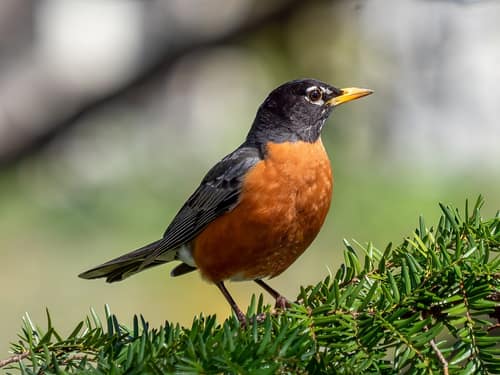
Seed Disperser Rhododendrites / CC BY-SA 4.0 · cc-by-sa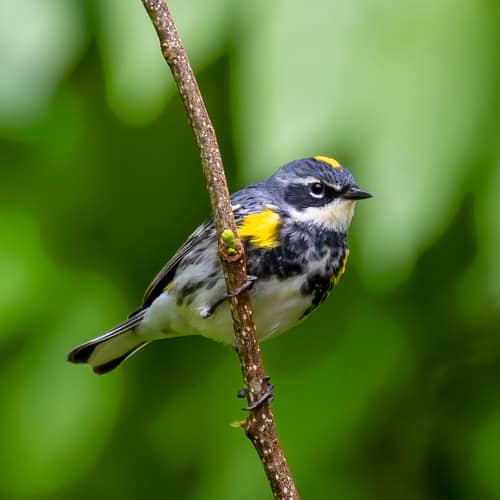
Forager (c) Dan Vickers, some rights reserved (CC BY), uploaded by Dan Vickers · cc-by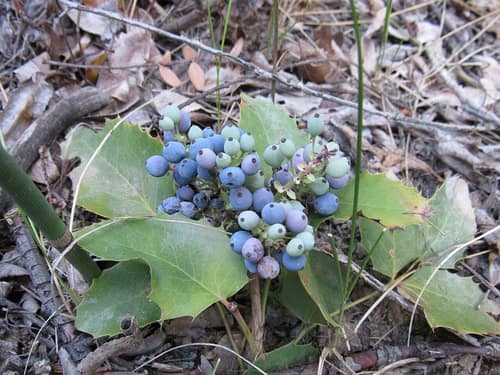
Close Relative Anders Hastings https://www.inaturalist.org/people/andershastings / CC BY 4.0 · cc-by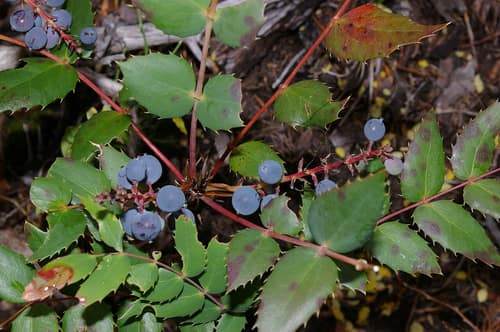
Close Relative brewbooks from near Seattle, USA / CC BY-SA 2.0 · cc-by-sa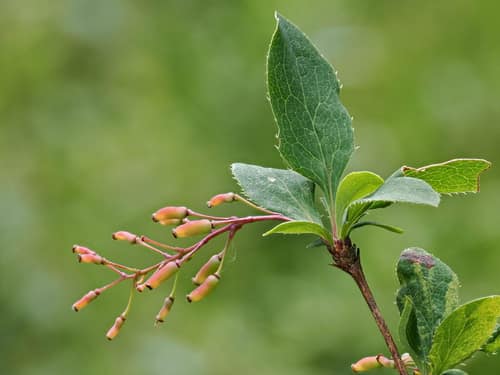
Genus Relative (c) Gilles San Martin, some rights reserved (CC BY-SA), uploaded by Gilles San Martin · cc-by-sa
Help improve the field guideSomething wrong?
Checking your Fauna account…Report a name, category, or profile issue for review.