Also known as Vase Flower, Sugarbowls, Leatherflower, Hairy Leather Flower
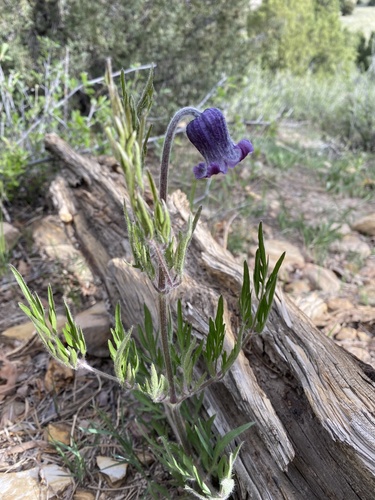
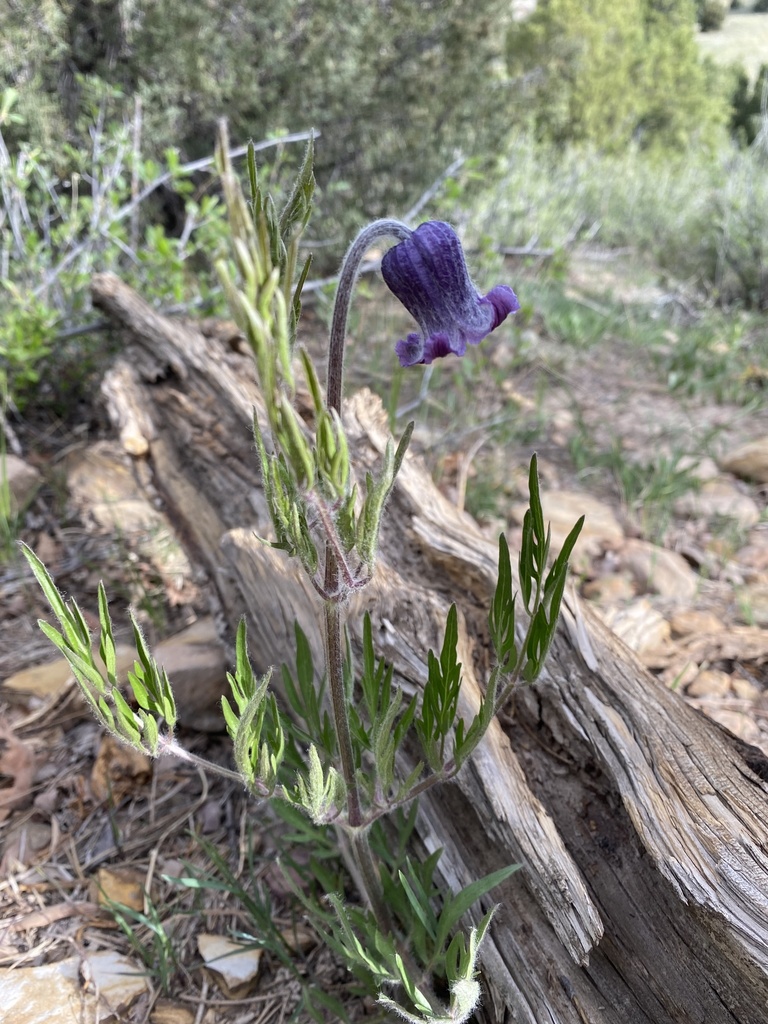
Hairy clematis stands out among buttercup relatives as a non-climbing, upright perennial clothed in dense, silvery-white hairs that deflect intense alpine sunlight and trap moisture. Nodding urn-shaped blossoms emerge in late spring to early summer, nodding solitary purple bell-like sepals that open just enough for native bees to squeeze inside. As the blossoms fade, they transform into conspicuous, feathery clusters of plumed seed heads designed to ride summer breezes across open western grasslands.
Not EvaluatedConservation statusIUCN Red List categoriesLCNTVUENCREWEXNot Evaluated — not placed on the risk ladderRed List categories, explained →
Key facts
Diet & prey
Autotrophic (photosynthetic)
ThreatsOvergrazing, invasive weeds, and prolonged drought
HabitatsMontane meadows, sagebrush steppe, open pine woodlands, and foothill slopes
Life spanPerennial (10 to 20+ years)
Classification
OrderRanunculales
FamilyRanunculaceae
GenusClematis
SpeciesClematis hirsutissima
Range & activity
Range data is not available yet.
Safe observation
Interaction riskHigh
Low
Moderate
High
Very high
Why interaction risk is high
Contains protoanemonin that causes blistering and severe digestive upset; avoid crushing foliage and do not ingest.
Why it is dangerous
Tissues contain ranunculin, which converts upon damage to toxic protoanemonin, causing severe contact dermatitis, mouth ulceration, and gastrointestinal inflammation.
How to recognize a risky encounter
Recognized by dense hairs across the foliage and thick, leathery, vase-shaped violet-blue sepals held on upright, non-vining stems.
What to do
Admire and photograph without picking or crushing foliage, and wash skin thoroughly with soap if sap contacts bare skin.
Responsible observation
Visual identification: Look for single nodding urn-shaped purple blooms atop fuzzy erect stems in late spring.
Photo etiquette: Photograph the distinctive fuzzy seed heads without plucking stems or trampling fragile meadow turf.