
Plant · GBIF taxon 3033188
Blue Columbine
Aquilegia coeruleaAlso known as Colorado Columbine, Rocky Mountain Columbine
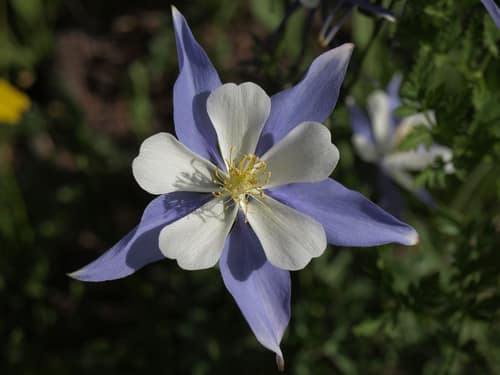
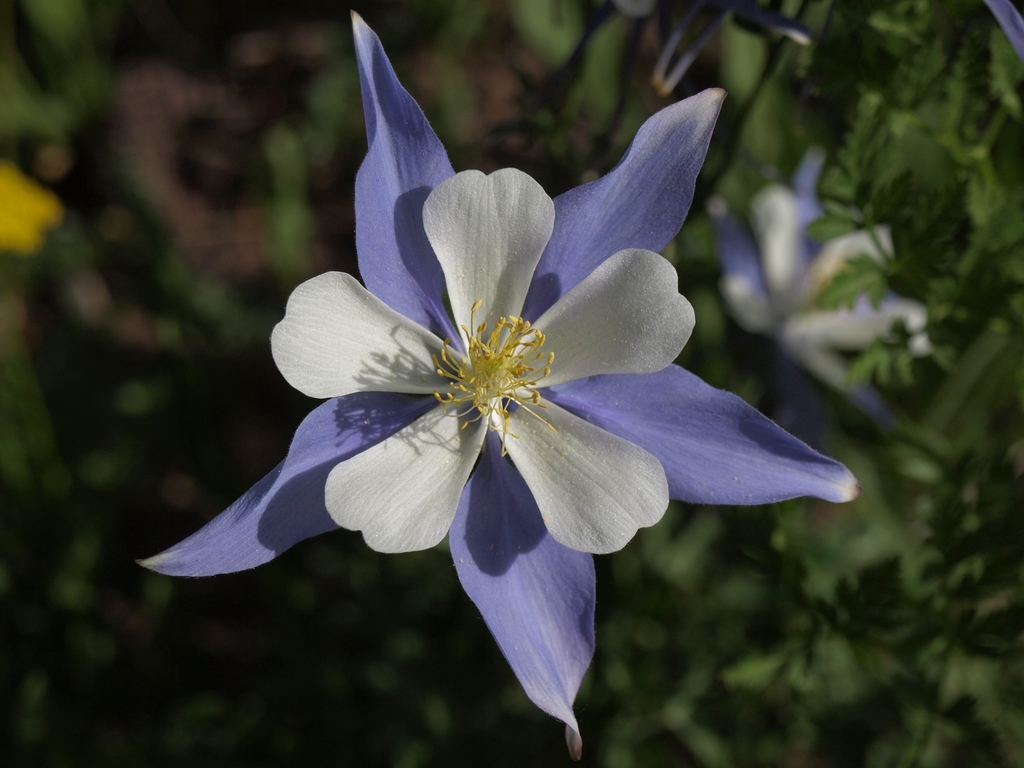
Blue columbine is a mountain perennial with divided blue-green leaves and nodding flowers of white petals framed by blue sepals. Five long backward-pointing spurs hold nectar reached by bumblebees, hawkmoths, and hummingbirds.
spurred wildflowermountain perennialpollinator flower
—observations
—countries
—peak records
Not EvaluatedConservation statusIUCN Red List categoriesLCNTVUENCREWEXNot Evaluated — not placed on the risk ladderRed List categories, explained →
Diet & prey
- Photosynthesis; roots absorb water and mineral nutrients from cool mountain soil
Predators
- leaf miners
- aphids
- browsing mammals
ThreatsWild collection, trampling, development, drought, grazing, and changing snowpack
HabitatsMontane meadow, aspen grove, open forest, rocky ledges, stream banks, and subalpine slopes
Life spanA perennial commonly persisting for several years
Classification
- OrderRanunculales
- FamilyRanunculaceae
- GenusAquilegia
- SpeciesAquilegia coerulea
Range data is not available yet.
Interaction riskHigh
- Low
- Moderate
- High
- Very high
- Why interaction risk is high
- Columbine tissues can be toxic; do not eat, ingest, or prepare wild material.
- Why it is dangerous
- Seeds, roots, and other tissues contain toxic compounds that can cause illness when swallowed.
- How to recognize a risky encounter
- Blue sepals and long blue nectar spurs surround white petals above divided blue-green leaves.
- What to do
- Do not taste or prepare any wild columbine; keep plant material away from children and pets.
Responsible observation
- Spurs: Look for five long blue spurs projecting behind white petals.
- Protection: Leave every plant rooted and avoid crossing moist meadow vegetation.
Help improve the field guideSomething wrong?
Checking your Fauna account…Report a name, category, or profile issue for review.