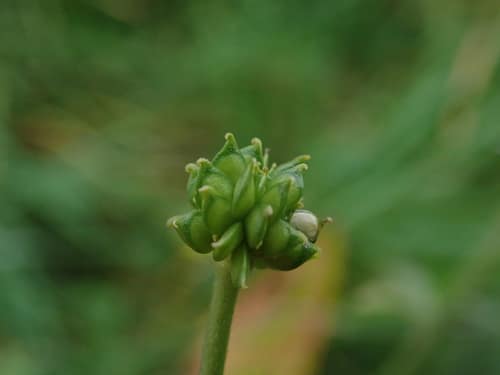
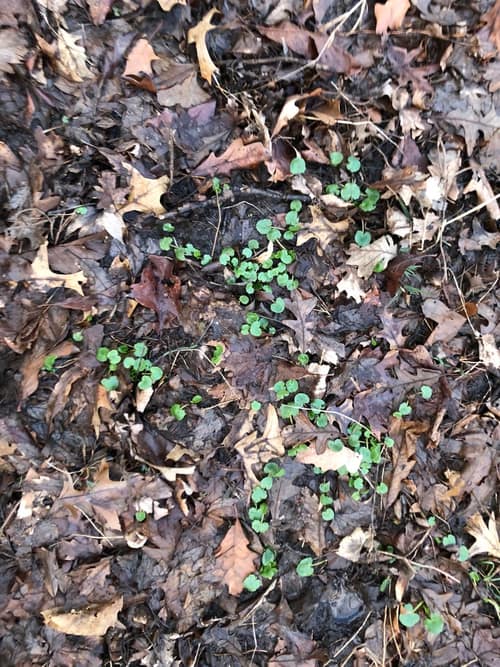
Also known as St. Anthony's Turnip, Bulbous Crowfoot
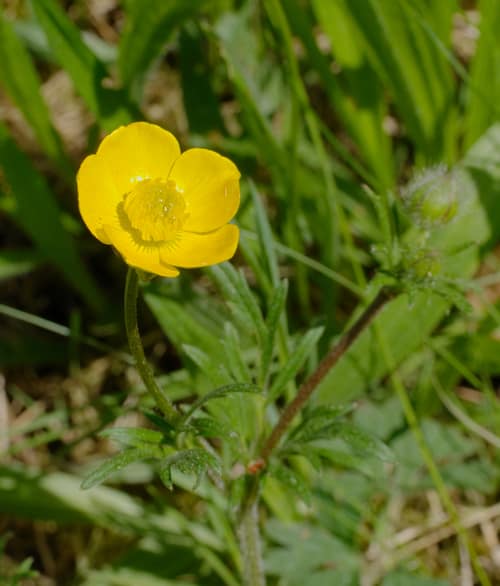
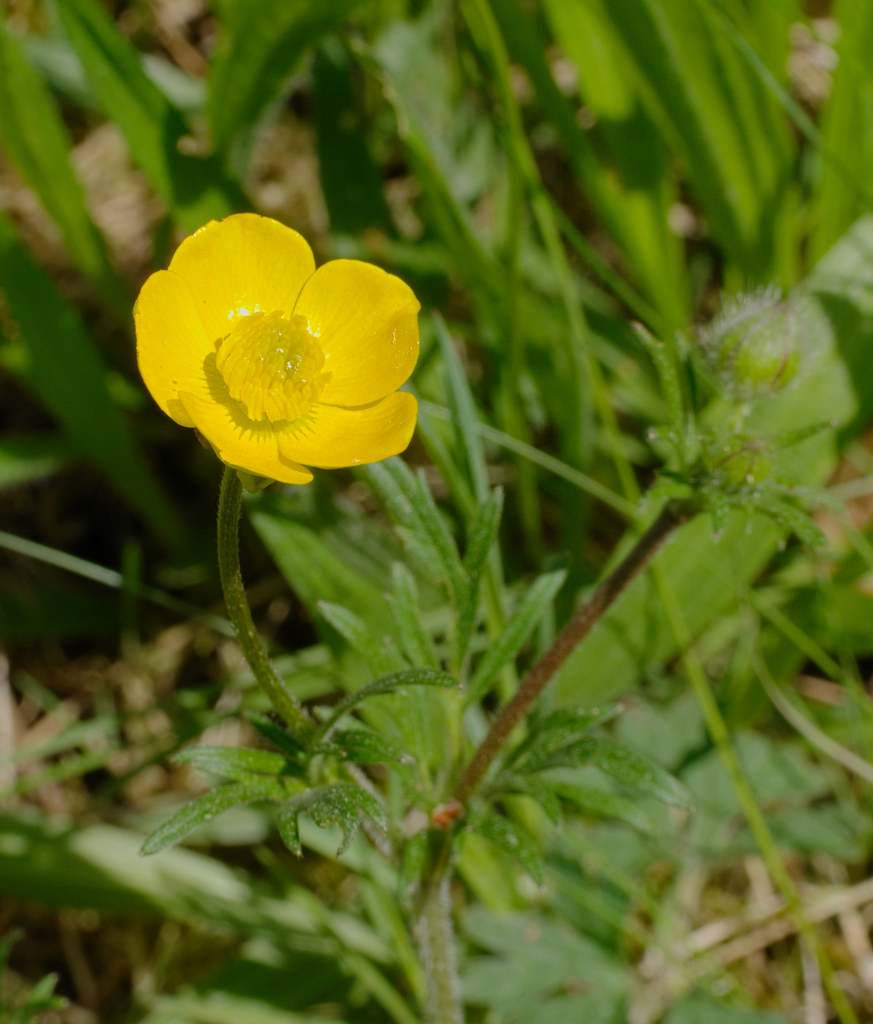
Bulbous buttercup emerges each spring from a swollen, bulb-like corm anchored just beneath the soil surface. Glossy yellow petals use specialized microscopic layers of air and pigment to create an intense reflective sheen that attracts flying pollinators from afar. While livestock typically avoid its bitter foliage in pastures, dried hay loses the irritating compounds, making cured meadow grasses safe for grazing herds.
ThreatsHerbicide application, agricultural intensification, and intensive tilling
HabitatsDry grasslands, pastures, lawns, meadows, and roadsides
Life spanPerennial (several years)
Classification
FamilyRanunculaceae
SpeciesRanunculus bulbosus
Range & activity
Range data is not available yet.
Safe observation
Interaction riskHigh
Low
Moderate
High
Very high
Why interaction risk is high
Sap contains ranunculin which blisters skin and causes severe irritation if ingested; do not crush or chew.
Why it is dangerous
Crushed tissue releases ranunculin, which breaks down into toxic protoanemonin, causing contact dermatitis, painful blistering, and severe gastrointestinal distress if consumed.
How to recognize a risky encounter
Look for glossy five-petaled yellow flowers with downward-curved sepals and a distinctive bulb-like corm at the stem base.
What to do
Wear impermeable gloves when removing plants, wash exposed skin promptly with soap, and keep pets or livestock from grazing fresh foliage.
Responsible observation
Flower inspection: Check beneath the glossy yellow petals to see sepals turned sharply downward against the stem.
Skin protection: Wear gardening gloves if pulling by hand, as damaged leaves release blistering sap.
Root check: Gently feel the stem base just under the soil to detect the characteristic turnip-like bulb.