
Plant · GBIF taxon 3033363
Meadow Buttercup
Ranunculus acrisAlso known as Tall Buttercup, Common Buttercup, Giant Buttercup
Bright yellow, glossy petals distinguish meadow buttercups across pastures, damp meadows, and grassy fields. Stems secrete an acrid sap containing protoanemonin, a chemical defense that deters grazing livestock and protects foliage from heavy herbivory. Flowers feature specialized ultraviolet-reflective surfaces around central nectaries, guiding pollinators directly to pollen on sunny days.
FloweringToxicPerennial
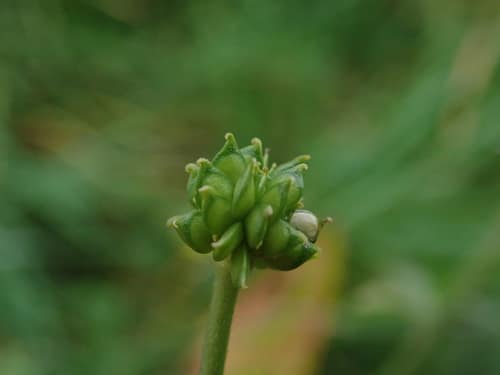
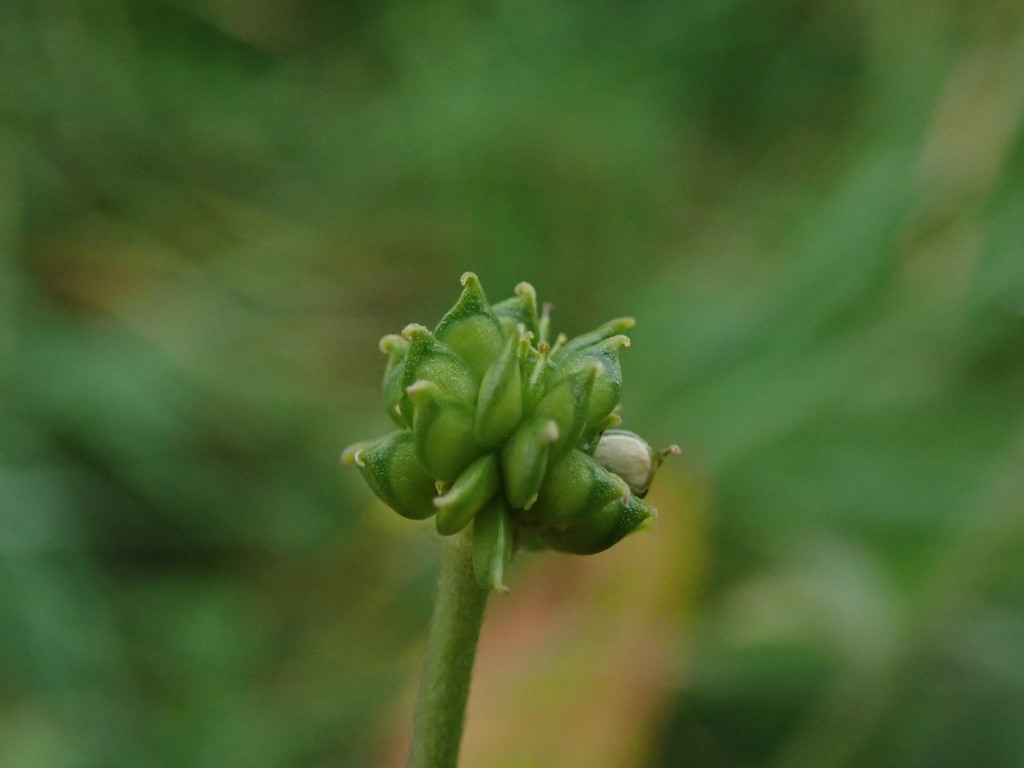 1 / 7
1 / 7—observations
—countries
—peak records
Least ConcernConservation statusIUCN Red List categoriesLCNTVUENCREWEXLeast ConcernRed List categories, explained →
Diet & prey
- Sunlight
- Water
- Soil Minerals
ThreatsHerbicides and intensive agricultural mowing
HabitatsMoist meadows, pastures, grasslands, roadsides
Life spanPerennial
Classification
- OrderRanunculales
- FamilyRanunculaceae
- GenusRanunculus
- SpeciesRanunculus acris
Range data is not available yet.
Interaction riskHigh
- Low
- Moderate
- High
- Very high
- Why interaction risk is high
- Sap causes severe skin blistering and toxicity if ingested; handle with care and do not consume.
- Why it is dangerous
- Crushed foliage releases ranunculin, breaking down into protoanemonin which causes blistering contact dermatitis and severe oral irritation if eaten.
- How to recognize a risky encounter
- Recognized by tall hairy stems, deeply lobed leaves, and shiny five-petaled golden blossoms on long stalks.
- What to do
- Wear gloves when weeding or removing plants, and avoid brushing bare skin against broken stems.
Responsible observation
- Pollinator Spotting: Watch for small solitary bees and hoverflies visiting the shiny yellow petals on warm mornings.
- Safe Gardening: Wear protective gloves when weeding or cutting stems to shield skin from irritating sap.
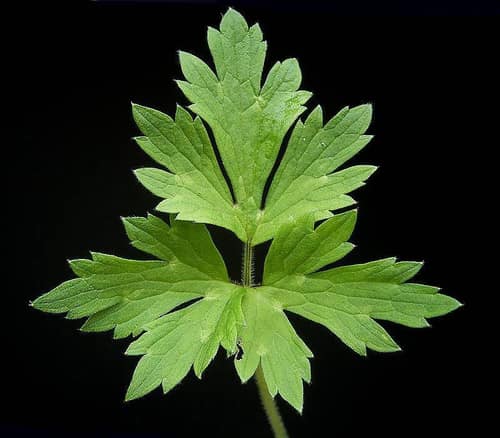
Close Relative (c) Frank Vincentz, some rights reserved (CC BY-SA) · cc-by-sa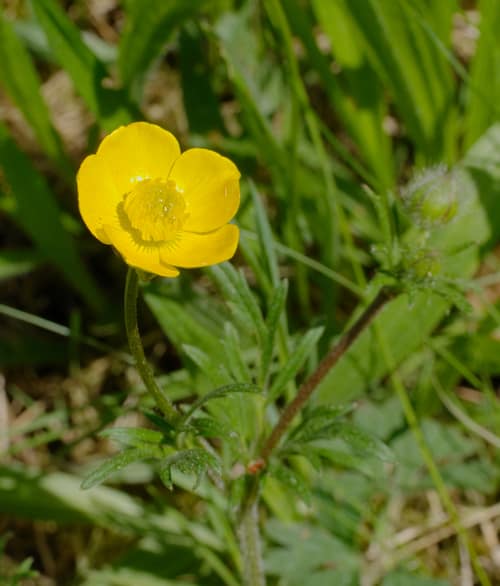
Close Relative (c) Andreas Eichler, some rights reserved (CC BY-SA) · cc-by-sa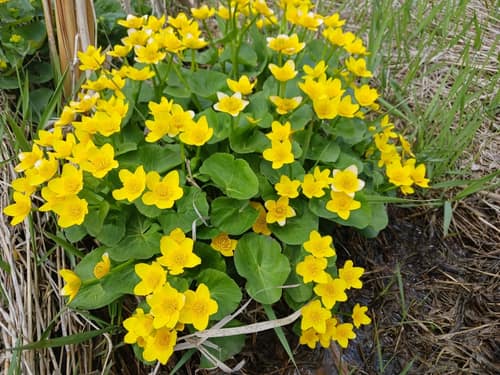
Family Member (c) eeyipes, some rights reserved (CC BY) · cc-by
Help improve the field guideSomething wrong?
Checking your Fauna account…Report a name, category, or profile issue for review.