
Plant
Woodland Strawberry
Fragaria vescaAlso known as Alpine Strawberry, Wild Strawberry, Carpathian Strawberry, European Strawberry
Woodland strawberries colonize forest edges and dappled clearings across the Northern Hemisphere, spreading efficiently via slender reddish runners called stolons. Their small white five-petaled blossoms appear from mid-spring to early summer, providing early nectar to solitary bees and hoverflies. As the red aggregate fruits mature, their surface achenes are widely distributed by songbirds, small rodents, and woodland mammals.
PerennialForest FloorPollinator Friendly
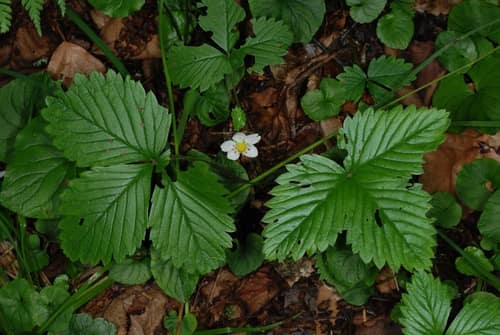
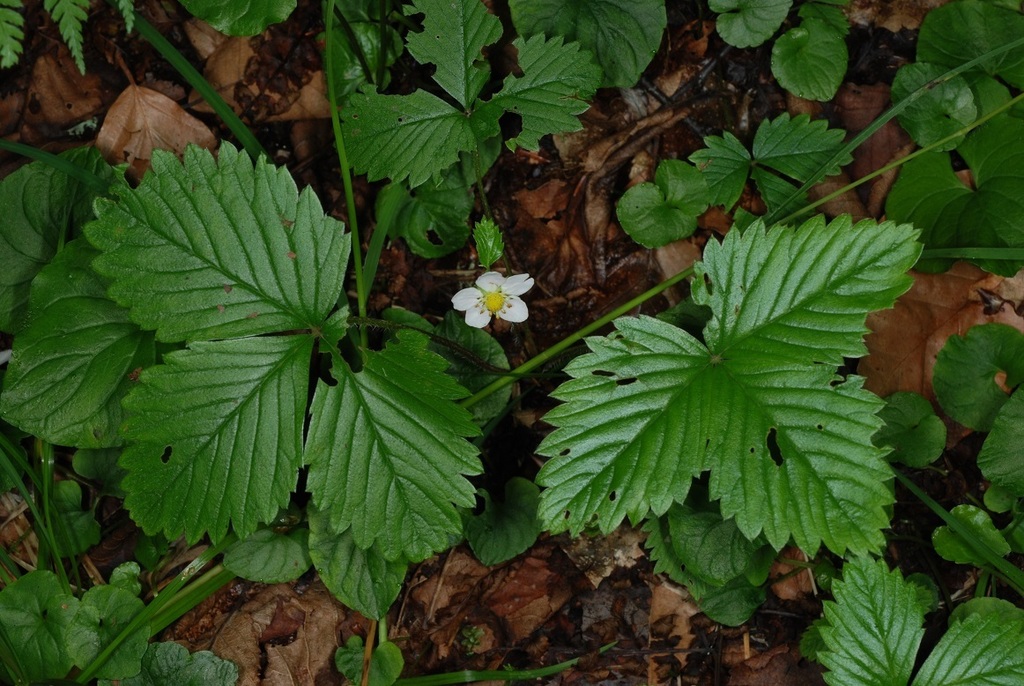
—observations
—countries
—peak records
Least ConcernConservation statusIUCN Red List categoriesLCNTVUENCREWEXLeast ConcernRed List categories, explained →
Diet & preySunlight, Water, Soil nutrients (nitrogen, phosphorus, potassium)
Predators
- Songbirds
- White-tailed Deer
- Slugs and Snails
ThreatsHabitat loss from clearcutting, heavy foot traffic, and competition from non-native invasive weeds
HabitatsDeciduous and mixed forests, woodland edges, clearings, and moist meadows
Life spanPerennial (clones can persist indefinitely via runners; individual crowns live 2–4 years)
Classification
- FamilyRosaceae
- SpeciesFragaria vesca
Range data is not available yet.
Interaction riskLow
- Low
- Moderate
- High
- Very high
- Why interaction risk is low
- Wild berries have toxic look-alikes; never eat based on app identification alone.
Responsible observation
- Look-Alike Checking: Check flower color; true woodland strawberries bear white petals, while look-alike mock strawberries produce yellow blooms.
- Footwear Caution: Step carefully along forest paths to avoid crushing delicate ground-running stolons.
- Observing Wildlife: Watch patches quietly in early summer to spot native songbirds and chipmunks gathering the fruit.
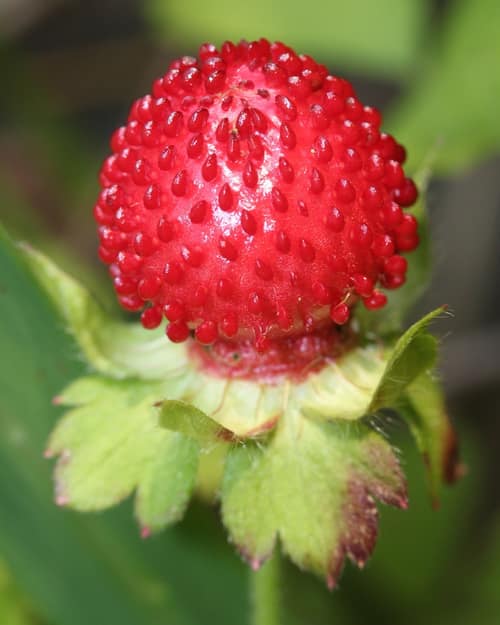
Mimic (c) Alpsdake, some rights reserved (CC BY-SA) · cc-by-sa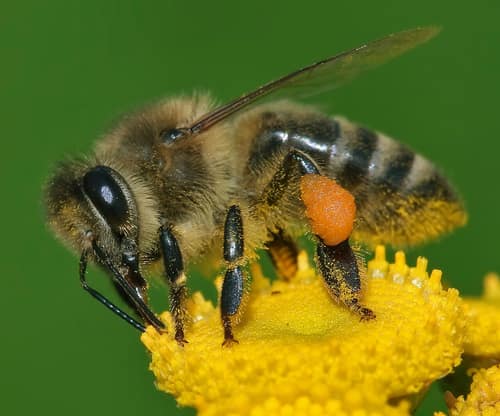
Pollinator Andreas Trepte / CC BY-SA 2.5 · cc-by-sa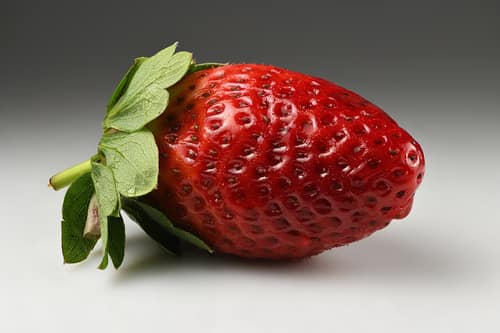
Close Relative Ivar Leidus / CC BY-SA 4.0 · cc-by-sa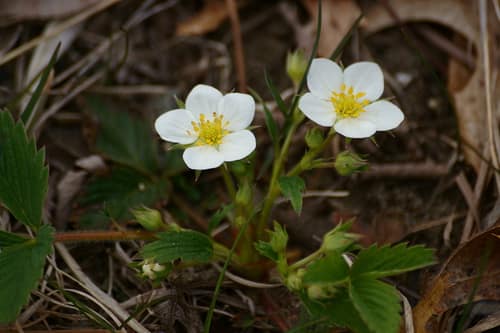
Close Relative (c) psweet, some rights reserved (CC BY-SA), uploaded by psweet · cc-by-sa
Help improve the field guideSomething wrong?
Checking your Fauna account…Report a name, category, or profile issue for review.