
Plant · GBIF taxon 3025770
Peking Cotoneaster
Cotoneaster acutifoliusAlso known as Pekin Cotoneaster, Pointed-Leaved Cotoneaster
Peking cotoneaster forms a dense, fountain-like shrub famed for its dark green leaves that turn brilliant orange and red in autumn. Small, soft-pink spring blossoms give way to abundant egg-shaped berries that darken to blue-black and linger into winter. Highly adaptable and cold-hardy, it provides crucial winter food and shelter for urban birds.
ShrubDeciduousCold-Hardy
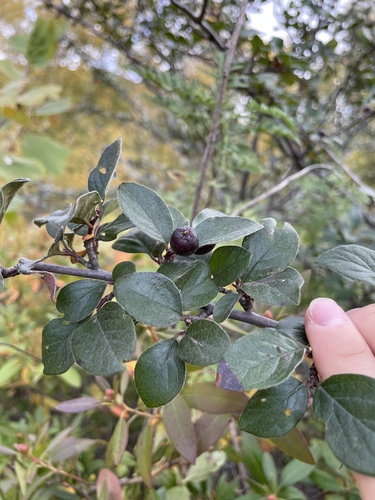
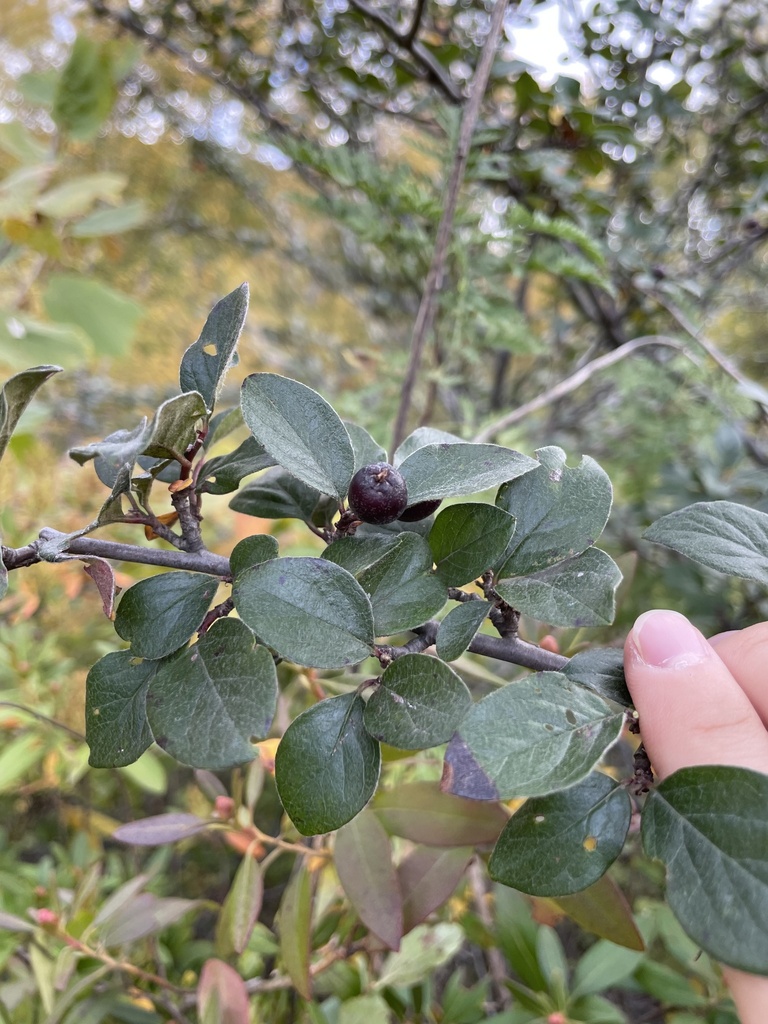
Licensed reference(c) Jane Charlen, some rights reserved (CC BY) · cc-by
—observations
—countries
—peak records
Not EvaluatedConservation statusIUCN Red List categoriesLCNTVUENCREWEXNot Evaluated — not placed on the risk ladderRed List categories, explained →
Diet & prey
- Photosynthetic
Predators
- Deer
- Rabbits
- Cedar Waxwings
ThreatsFire blight, habitat displacement in non-native regions
HabitatsThickets, mountain slopes, forest edges, suburban hedges
Life span30–50 years
Size / weightNot available
Classification
- FamilyRosaceae
- SpeciesCotoneaster acutifolius
Range data is not available yet.
Interaction riskHigh
- Low
- Moderate
- High
- Very high
- Why interaction risk is high
- Berries contain mild toxins and wild berries have toxic look-alikes; do not ingest.
- Why it is dangerous
- Seeds contain cyanogenic glycosides that can break down into cyanide and cause digestive distress if eaten in quantity.
- How to recognize a risky encounter
- Recognize by dark green pointed leaves, pink spring flowers, and small oval blue-black berries.
- What to do
- Do not eat wild berries and keep pets from chewing on fallen branches or fruit.
Responsible observation
- Hedge Maintenance: Prune in late winter or early spring to preserve shape and flower production.
- Bird Watching: Observe late autumn hedges to spot migratory birds feeding on persistent fruit.
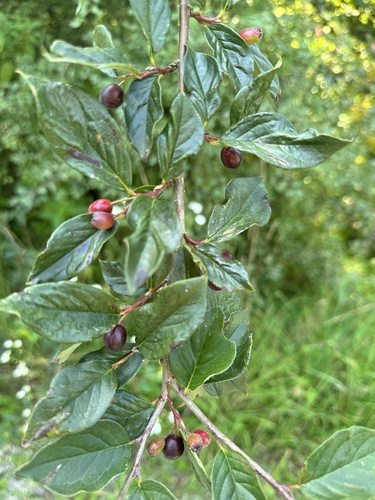
Close Relative (c) Katrin Simon, some rights reserved (CC BY) · cc-by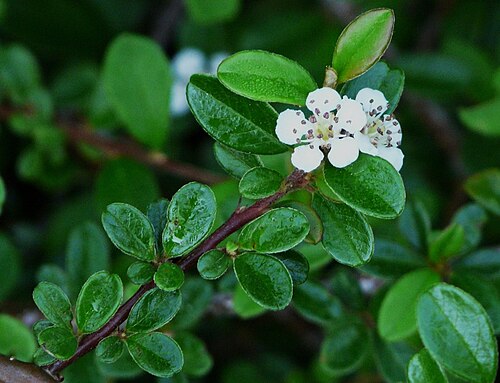
Close Relative Père Igor / CC BY-SA 3.0 · cc-by-sa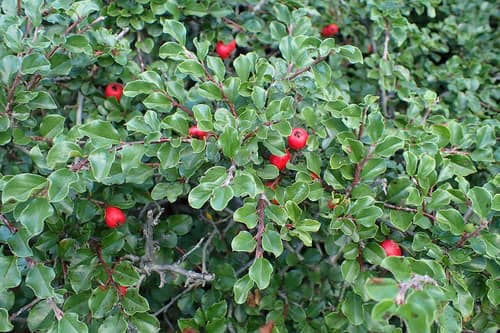
Close Relative Krzysztof Ziarnek, Kenraiz / CC BY-SA 4.0 · cc-by-sa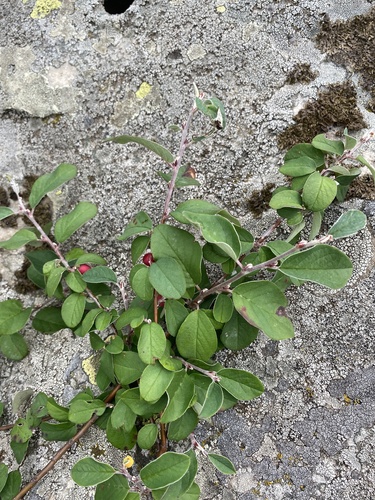
Close Relative (c) Stanislav Murashkin, some rights reserved (CC BY) · cc-by
Help improve the field guideSomething wrong?
Checking your Fauna account…Report a name, category, or profile issue for review.