
Plant
Shiny Cotoneaster
Cotoneaster lucidusAlso known as Hedge Cotoneaster
Shiny cotoneaster produces lustrous, deep green foliage that blazes into brilliant shades of orange, red, and purple each autumn. Clusters of delicate, pink-tinged blossoms emerge in late spring to provide nectar for bees and pollinating flies. Dense branch structures and persistent black pomes offer essential winter shelter and foraging for cold-climate songbirds.
DeciduousCold-HardyShrub
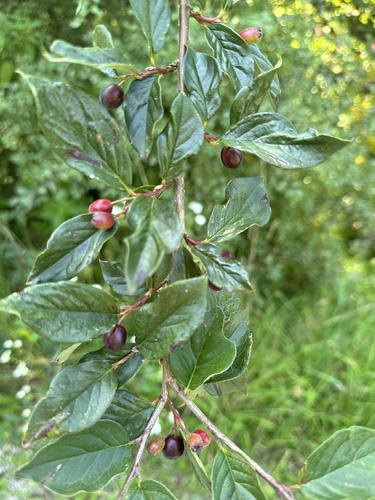
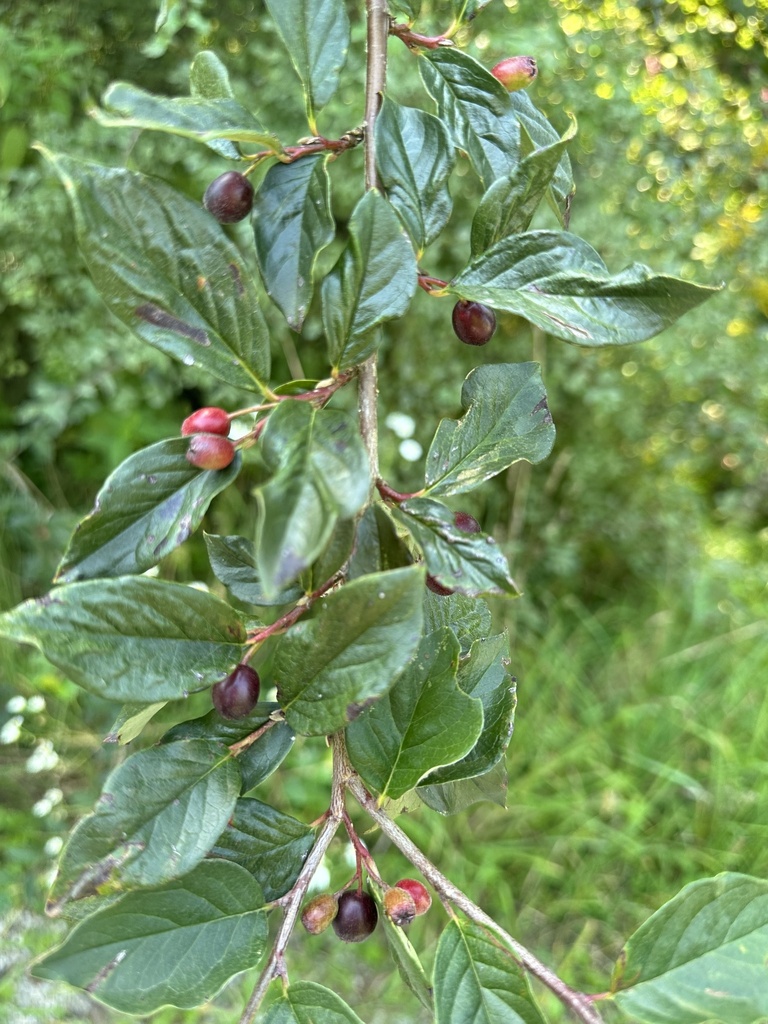
—observations
—countries
—peak records
Not EvaluatedConservation statusIUCN Red List categoriesLCNTVUENCREWEXNot Evaluated — not placed on the risk ladderRed List categories, explained →
Diet & preyAutotrophic (photosynthesis)
Predators
- Bohemian Waxwing
- Cedar Waxwing
- European Rabbit
ThreatsHabitat fragmentation, displacement by invasive species
HabitatsRocky slopes, river valleys, shrublands, open woodlands
Life span30–50 years
Classification
- OrderRosales
- FamilyRosaceae
- GenusCotoneaster
- SpeciesCotoneaster lucidus
Range data is not available yet.
Interaction riskHigh
- Low
- Moderate
- High
- Very high
- Why interaction risk is high
- Seeds contain cyanogenic glycosides; wild berries have toxic look-alikes, so never ingest based on app identification.
- Why it is dangerous
- Seeds contain cyanogenic glycosides which break down into hydrogen cyanide upon mastication, leading to nausea, vomiting, and respiratory distress.
- How to recognize a risky encounter
- Look for upright spreading branches with glossy elliptic leaves and clusters of round, black, berry-like pomes in autumn.
- What to do
- Pruning or touching foliage is safe, but keep fruit out of reach of children and household pets.
Responsible observation
- Hedging: Prune lightly in late winter or early spring before fresh leaf buds break.
- Cultivation: Plant in full sun to partial shade in well-draining soil for optimal foliage luster.
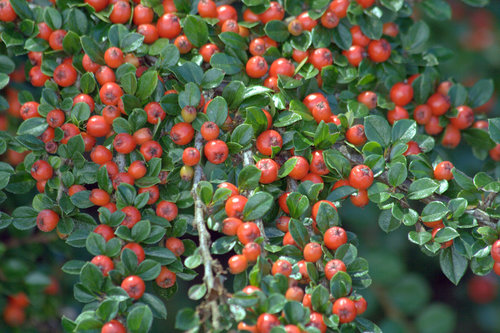
Same Genus (c) M a n u e l, some rights reserved (CC BY-SA) · cc-by-sa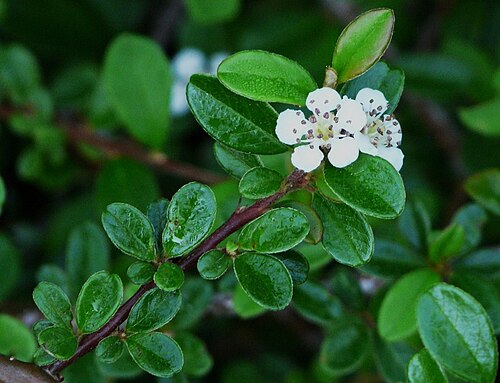
Same Genus Père Igor / CC BY-SA 3.0 · cc-by-sa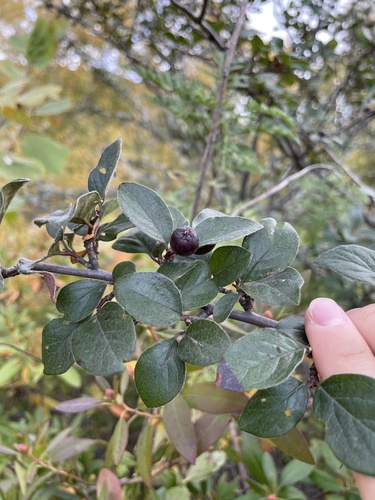
Close Relative (c) Jane Charlen, some rights reserved (CC BY) · cc-by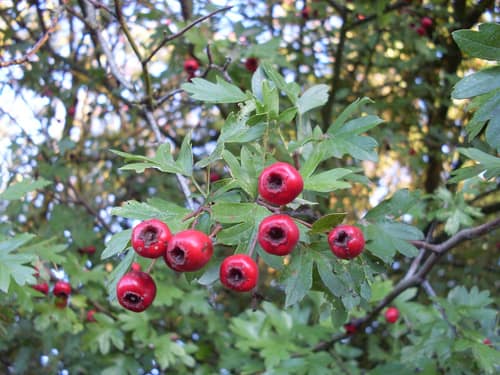
Same Family Elstro / CC BY 3.0 · cc-by
Help improve the field guideSomething wrong?
Checking your Fauna account…Report a name, category, or profile issue for review.