
Plant
Loquat
Eriobotrya japonicaAlso known as Japanese Medlar, Japanese Plum, Chinese Plum, Nispero
Loquat trees stand out in subtropical landscapes with their large, stiffly ribbed evergreen leaves that feel felted with rust-colored fuzz on the undersides. Unlike most temperate fruit trees, loquats flower in late autumn and winter, releasing a sweet almond fragrance that draws overwintering pollinators before maturing fruit in early spring. Native to the damp forest slopes of south-central China, the tree serves as an important winter nectar source and year-round canopy shelter for local wildlife.
EvergreenFruit-BearingFlowering
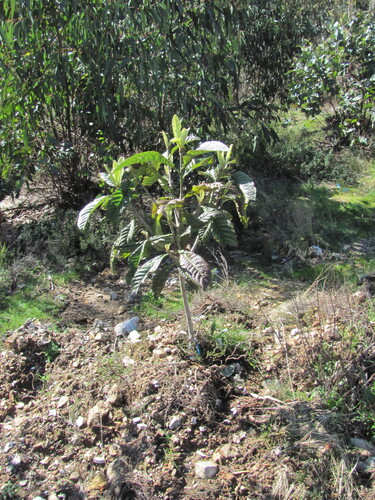
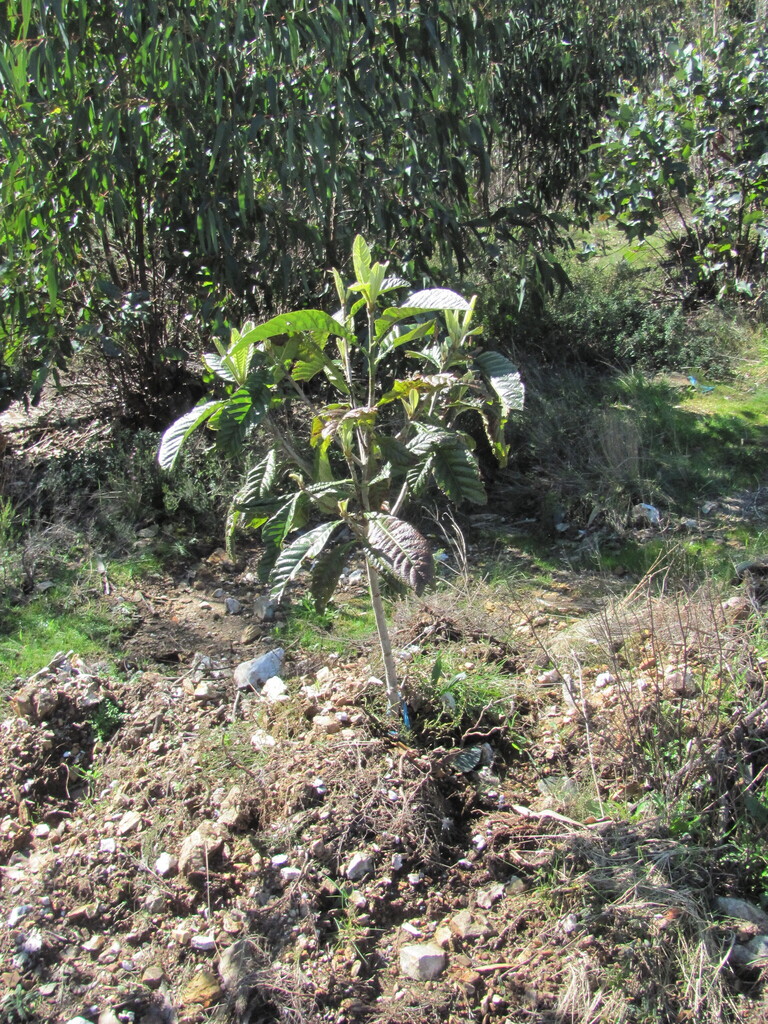
—observations
—countries
—peak records
Data DeficientConservation statusIUCN Red List categoriesLCNTVUENCREWEXData Deficient — not placed on the risk ladderRed List categories, explained →
Diet & preySunlight, Water, Soil nutrients
Predators
- Fruit bat
- European starling
- Spotted wing drosophila
ThreatsDeforestation in native range, fire blight, and fungal leaf spot
HabitatsSubtropical mixed forests, hillsides, orchards, and urban gardens
Life span30–50 years
Classification
- OrderRosales
- FamilyRosaceae
- GenusRhaphiolepis
- SpeciesEriobotrya japonica
Range data is not available yet.
Interaction riskHigh
- Low
- Moderate
- High
- Very high
- Why interaction risk is high
- Seeds contain cyanogenic glycosides toxic to pets: wild fruit has toxic look-alikes, never ingest based on app identification.
- Why it is dangerous
- Seeds and foliage contain amygdalin, which releases toxic hydrogen cyanide when chewed, causing vomiting and respiratory failure in pets.
- How to recognize a risky encounter
- Look for large, serrated, leathery leaves with rusty fuzz underneath and round yellow-orange pomes containing large brown pits.
- What to do
- Keep curious pets away from fallen seeds, and avoid crushing or ingesting any parts of the plant.
Responsible observation
- Winter Blooms: Look for small white blossoms during cold months when few other trees flower.
- Foliage Texture: Inspect leaf undersides to see dense, protective brown wool called tomentum.
- Pet Safety: Keep domestic dogs and cats away from fallen fruit pits.
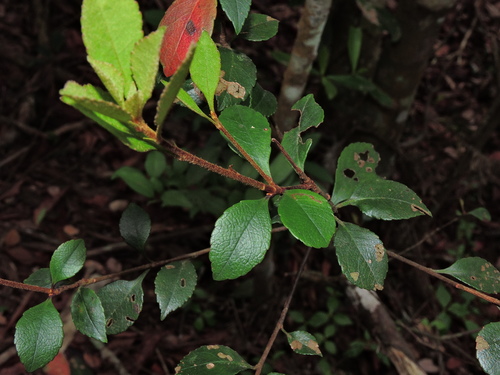
Same Genus (c) Jacy Chen, some rights reserved (CC BY), uploaded by Jacy Chen · cc-by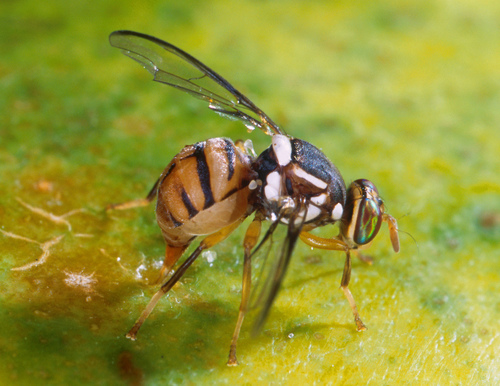
Herbivore (c) U.S. Department of Agriculture, some rights reserved (CC BY) · cc-by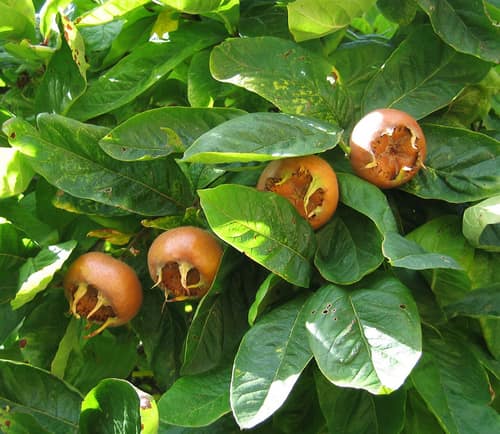
Close Relative Wikimedia Commons / CC BY-SA 2.0 · cc-by-sa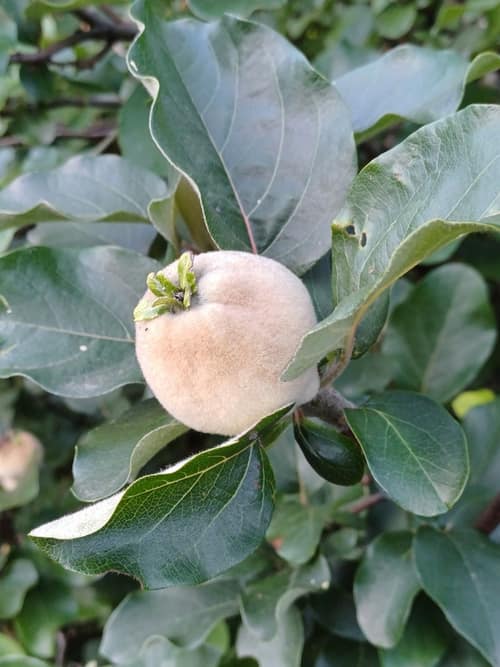
Close Relative no rights reserved, uploaded by flamelily · cc0
Help improve the field guideSomething wrong?
Checking your Fauna account…Report a name, category, or profile issue for review.