
Plant
Quince
Cydonia oblongaAlso known as Common Quince, European Quince
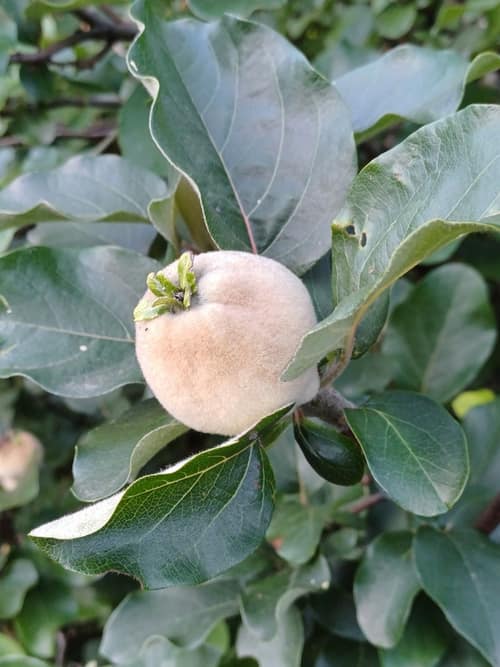
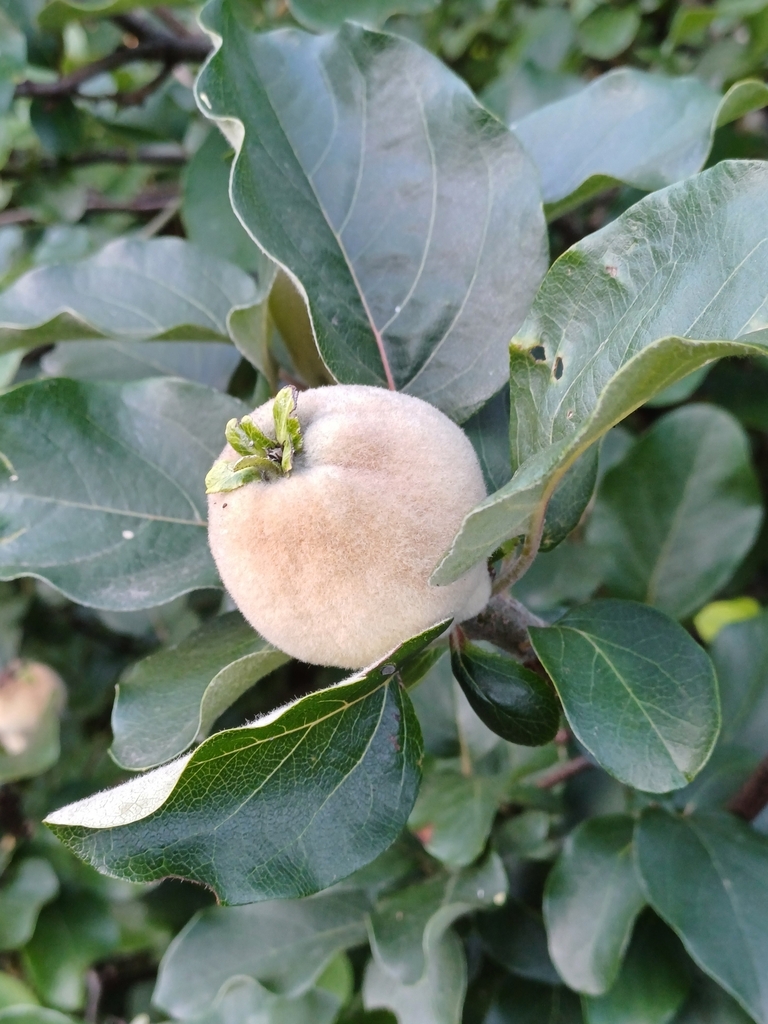
Quinces produce pale pink to white five-petaled blossoms in late spring, signaling the transition into fruit production across temperate slopes and orchards. The knobby, pear-shaped pomes develop a dense greyish-white down across their golden skin, releasing an intense, floral fragrance that permeates surrounding air upon autumn ripening. In their native ranges across the Caucasus and northern Iran, these hardy deciduous trees serve as vital late-season food reserves for foraging wildlife.
DeciduousFruit BearingAromatic
—observations
—countries
—peak records
Least ConcernConservation statusIUCN Red List categoriesLCNTVUENCREWEXLeast ConcernRed List categories, explained →
Diet & preyAutotrophic (photosynthesis)
Predators
- Codling Moth
- European Starling
- White-tailed Deer
ThreatsFire blight, fungal leaf spot, and land clearing
HabitatsRocky slopes, woodland margins, scrublands, and temperate orchards
Life span40–60 years
Classification
- OrderRosales
- FamilyRosaceae
- GenusCydonia
- SpeciesCydonia oblonga
Range data is not available yet.
Interaction riskHigh
- Low
- Moderate
- High
- Very high
- Why interaction risk is high
- Seeds contain cyanogenic compounds toxic to humans and pets; wild fruits also carry toxic look-alike risks.
- Why it is dangerous
- Quince seeds contain cyanogenic glycosides, specifically amygdalin, which release toxic hydrogen cyanide upon chewing or crushing.
- How to recognize a risky encounter
- Look for low, crooked trees bearing fuzzy, ovate leaves and heavy, lumpy golden pomes with persistent calyces.
- What to do
- Never crush or ingest seeds, and keep fallen windfall fruits away from domestic pets.
Responsible observation
- Fragrance observation: Gently smell ripe fruits on the branch in autumn without breaking fruiting spurs.
- Foliage check: Examine the undersides of leaves in summer to observe the velvety down distinctive of the genus.
- Growth habit: Admire the picturesque, twisted architectural branching that develops as trees mature.
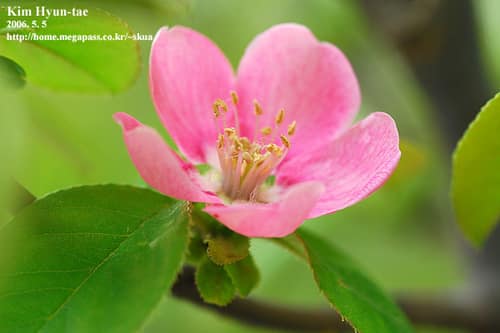
Close Relative (c) Kim, Hyun-tae,保留部分权利(CC BY), 由 Kim, Hyun-tae 上传 · cc-by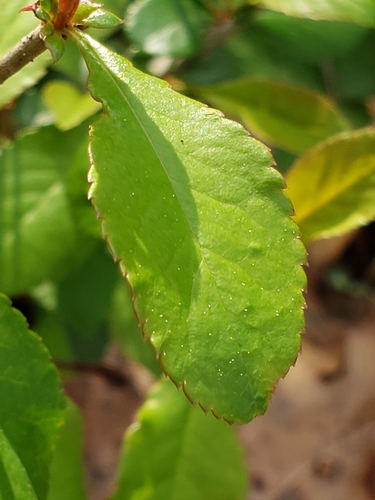
Close Relative (c) Mark Richman, some rights reserved (CC BY), uploaded by Mark Richman · cc-by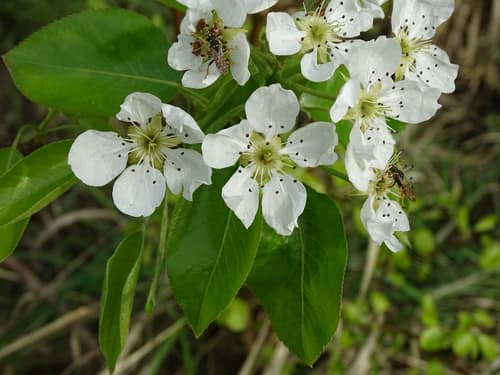
Same Family (c) Grzegorz Grzejszczak, some rights reserved (CC BY-SA), uploaded by Grzegorz Grzejszczak · cc-by-sa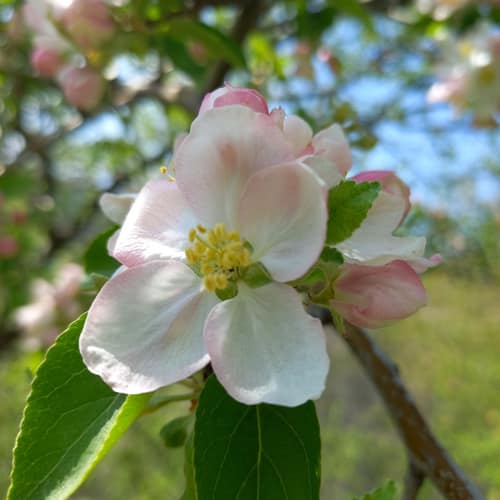
Same Family (c) Alexander Dubynin, some rights reserved (CC BY) · cc-by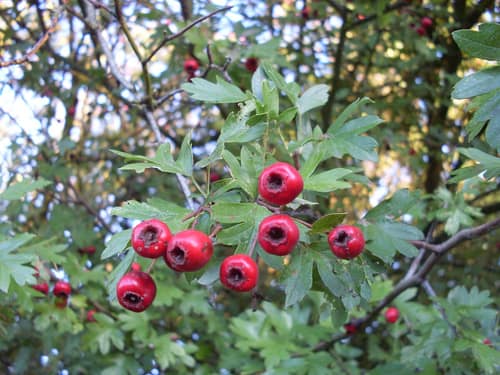
Same Family Elstro / CC BY 3.0 · cc-by
Help improve the field guideSomething wrong?
Checking your Fauna account…Report a name, category, or profile issue for review.