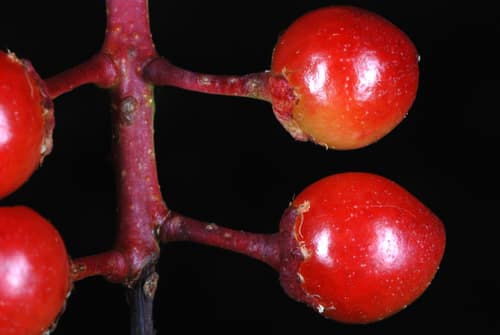
Also known as Carolina Cherry Laurel, Carolina Cherry, Cherry Laurel, Mock Orange
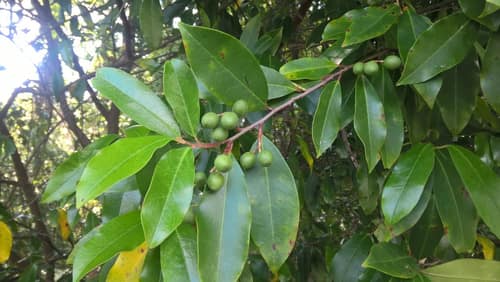
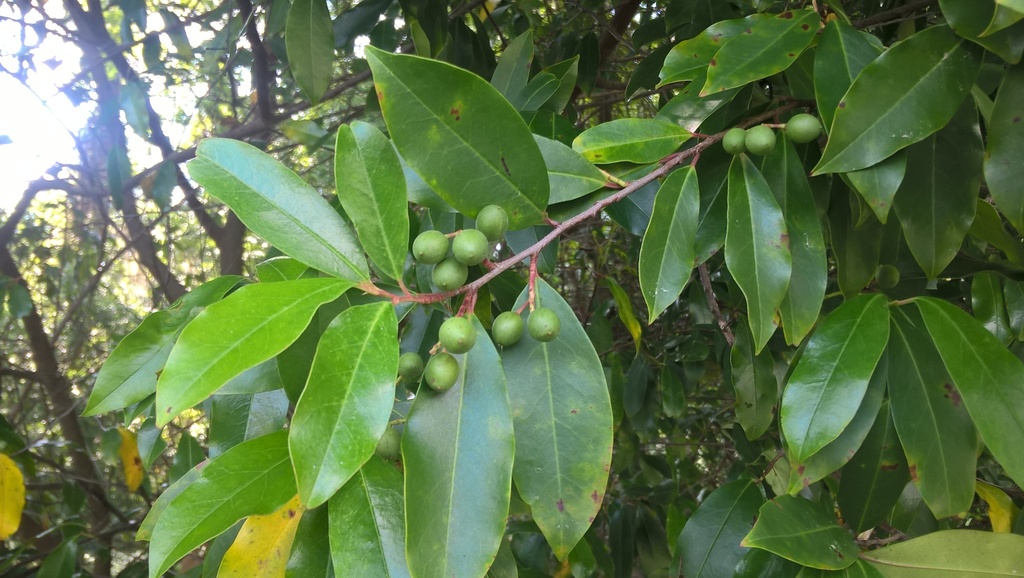
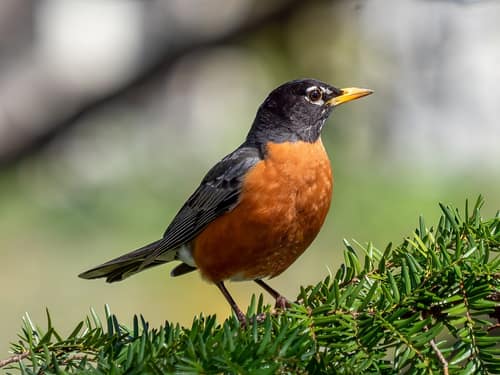
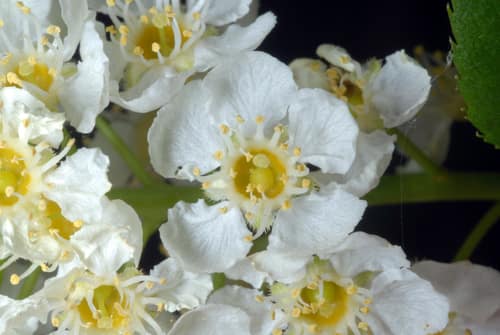
Carolina laurelcherry forms a dense, glossy evergreen canopy filled with racemes of fragrant white flowers each spring, followed by shiny black drupes that persist through winter. Crushed leaves and bruised twigs emit a prominent bitter almond aroma due to high concentrations of cyanogenic compounds. Native birds consume the outer fruit flesh in cold months and disperse the toxic seeds across southeastern woodlands and coastal thickets.
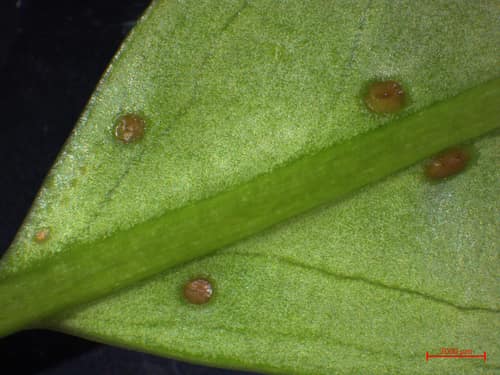
ThreatsHabitat loss, urban sprawl, and fungal leaf spot pathogens
HabitatsCoastal plain forests, maritime thickets, stream banks, and urban landscapes
Life span40 to 100 years
Size / weightNot available
Classification
FamilyRosaceae
SpeciesPrunus caroliniana
Range & activity
Range data is not available yet.
Safe observation
Interaction riskHigh
Low
Moderate
High
Very high
Why interaction risk is high
Contains cyanogenic glycosides toxic if ingested; wild berries have dangerous look-alikes.
Why it is dangerous
Contains cyanogenic glycosides in leaves, bark, and seeds that convert to hydrocyanic acid upon digestion, causing fatal toxicity in animals and humans.
How to recognize a risky encounter
Look for shiny, dark green evergreen leaves with sparse spiny margins that smell strongly of bitter almond when crushed.
What to do
Do not ingest any portion of the plant, and keep grazing animals away from fallen or wilted foliage.
Responsible observation
Identification: Crush a fallen leaf to check for a distinct bitter almond scent.
Landscape Care: Prune in late spring after flowering to preserve next year's blooms.
Pet Safety: Keep livestock and pets away from wilted foliage and fallen seeds.