
Plant
Dotted Hawthorn
Crataegus punctataAlso known as White Haw, Dotted Haw
Dotted hawthorn is a small, wide-spreading tree distinguished by its horizontal branching structure, long stout thorns, and pale spots dotted across its autumn fruit. Clusters of fragrant white five-petaled flowers blanket the canopy in late spring, attracting bees and other pollinators before giving way to red or yellow pomes. It thrives in open woods, abandoned pastures, and riverbanks across eastern North America, offering critical shelter and winter food for songbirds.
ThornsDeciduousNative Plant
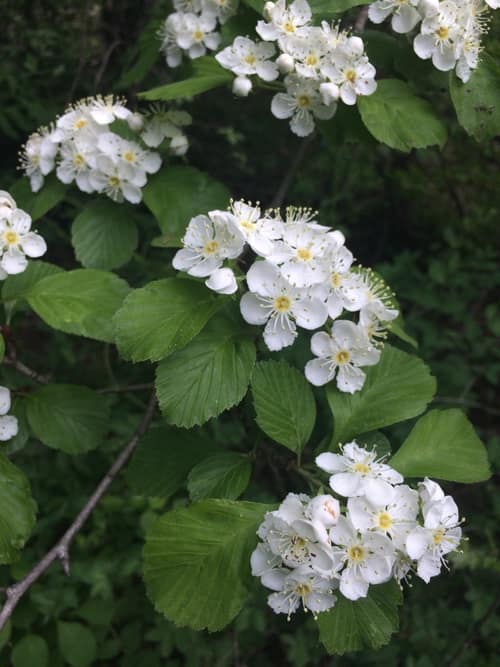
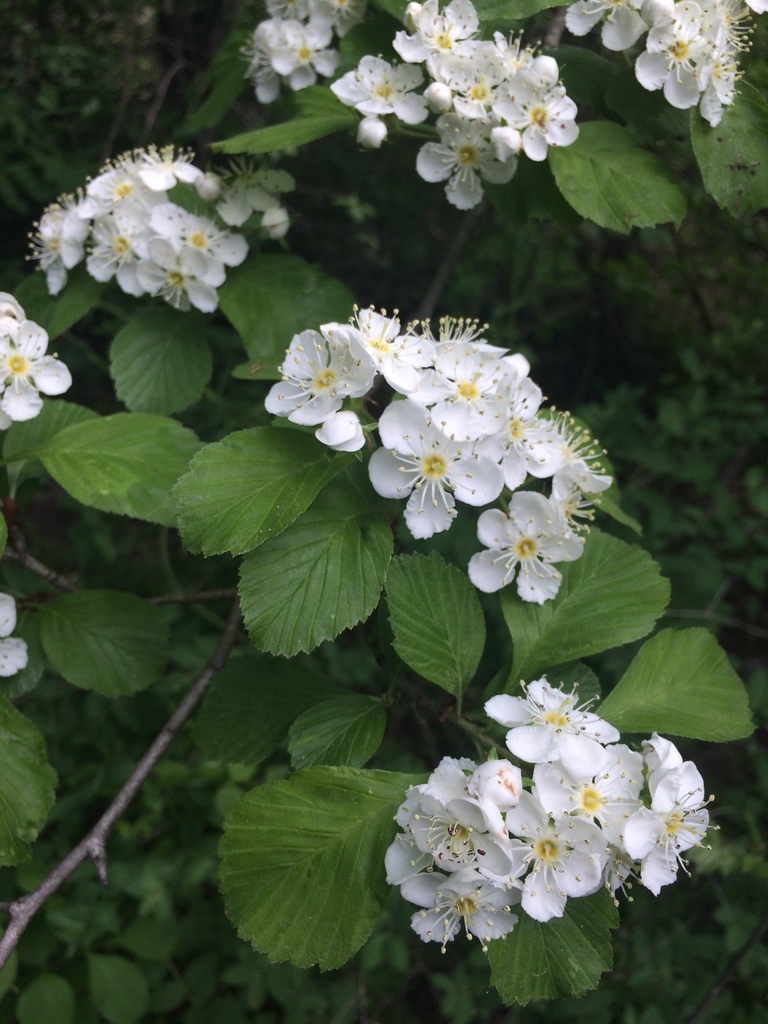
—observations
—countries
—peak records
Least ConcernConservation statusIUCN Red List categoriesLCNTVUENCREWEXLeast ConcernRed List categories, explained →
Diet & preyAutotrophic (Photosynthetic)
Predators
- Browsing deer
- Cedar-apple rust fungus
- Hawthorn leaf miner
ThreatsHabitat loss, fire suppression, and cedar-hawthorn rust fungus
HabitatsOpen woods, thickets, pastures, stream banks, and forest margins
Life span50–100 years
Classification
- OrderRosales
- FamilyRosaceae
- GenusCrataegus
- SpeciesCrataegus punctata
Range data is not available yet.
Interaction riskLow
- Low
- Moderate
- High
- Very high
- Why interaction risk is low
- Wild berries have toxic look-alikes; never eat based on app identification alone. Mind sharp thorns.
Responsible observation
- Watch for Thorns: Avoid reaching deep into the canopy without gloves, as thorns reach up to 7 cm long.
- Check Fruit Surface: Look for distinct pale dots on the small, apple-like pomes in late summer to confirm ID.
- Search Forest Margins: Look for flattened, umbrella-like canopy shapes along sunny woodland edges.
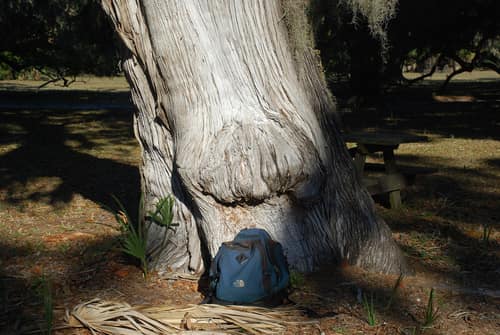
Fungal Host Partner (c) Douglas Goldman, some rights reserved (CC BY-SA), uploaded by Douglas Goldman · cc-by-sa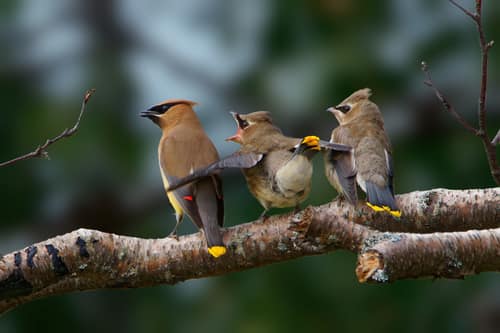
Seed Disperser (c) Christian Back, some rights reserved (CC BY), uploaded by Christian Back · cc-by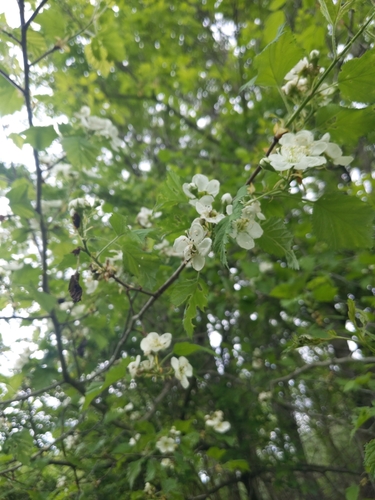
Close Relative (c) Cecil Smith, some rights reserved (CC BY) · cc-by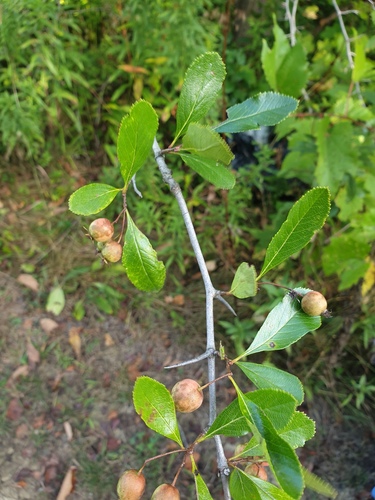
Close Relative no rights reserved, uploaded by Étienne Lacroix-Carignan · cc0
Help improve the field guideSomething wrong?
Checking your Fauna account…Report a name, category, or profile issue for review.